我太高兴了
“I'm so happy.”
THE DIALOGUE REEL
我以为没有人给我养老了
“I thought no one would be there to take care of me in my old age.”
我 太高兴了
“I'm so happy.”
那
“Then,”
Direct spoken expression in this communicative setting.
Chinese cultural expectations place immense importance on children providing for elderly parents (养老); the fear of having no one to care for oneself in old age is a profound existential dread, making its resolution a moment of overwhelming joy.
LEARNING CHUNKS & PARTICLES
extremely happy / overjoyed
A very common pattern (太...了) used to express intense emotional reactions.
Functions with '太' to mark excessive degree and emotional completion.
VOCABULARY & EXPRESSIONS
Parallel Spoken Cinema Scenes (语义近邻切片)
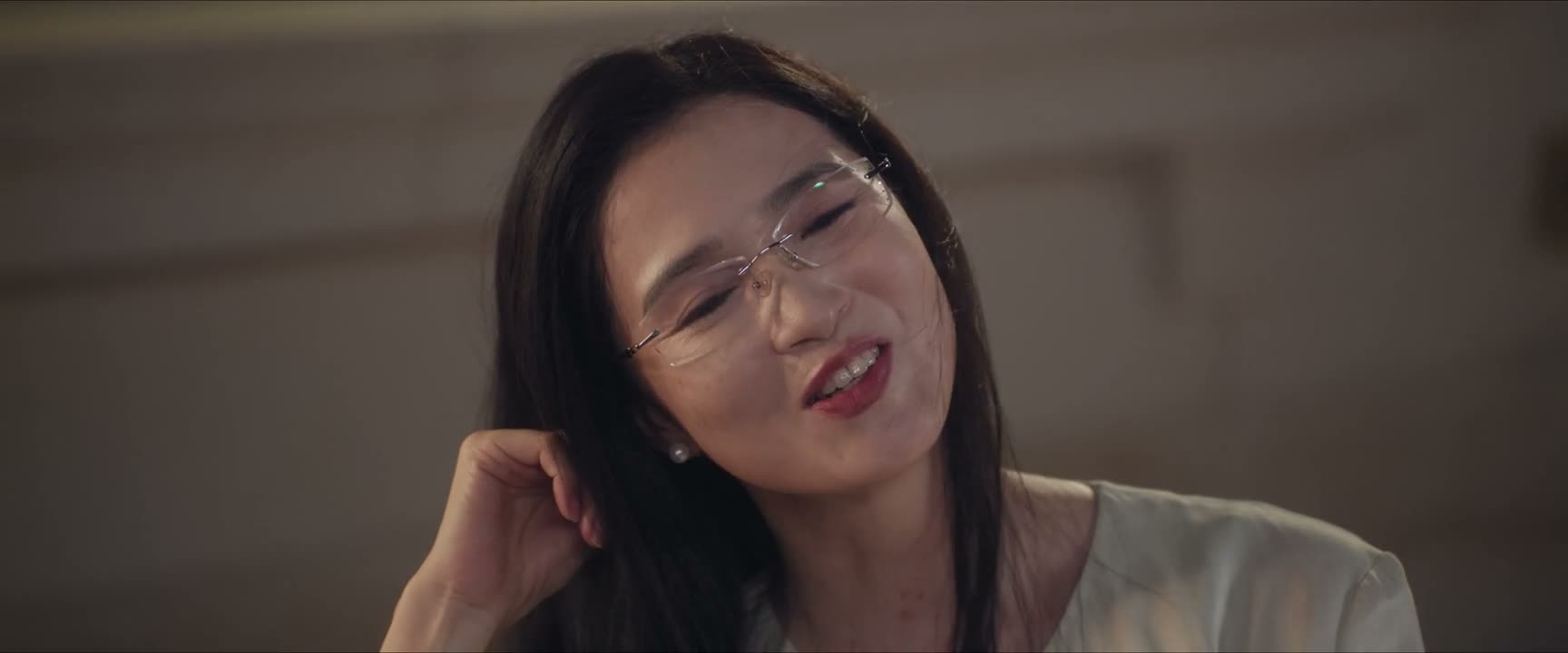
“made me so, so happy.”

“I'm just so happy!”
“I'm so happy”

“would surely be happy about it.”
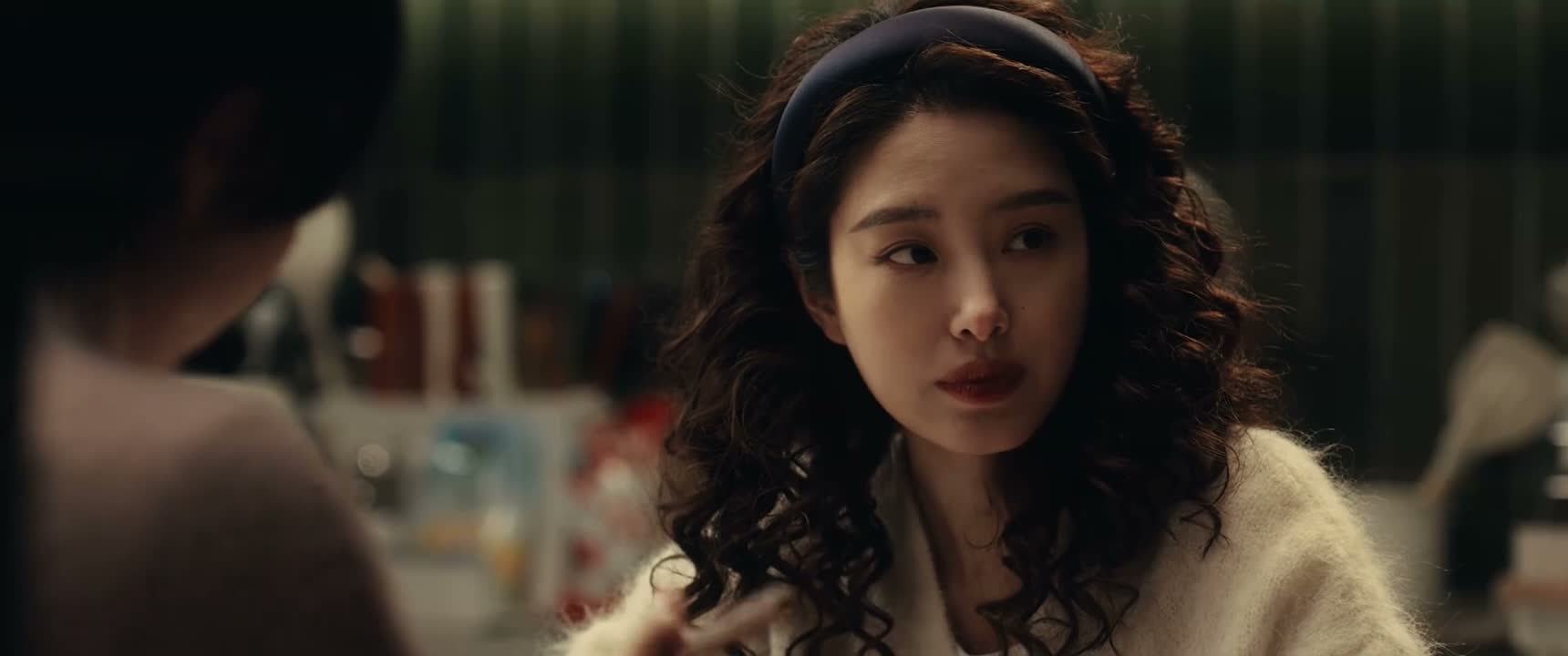
“I was really happy too.”

“Enjoy. I do.”

“he will be very happy.”
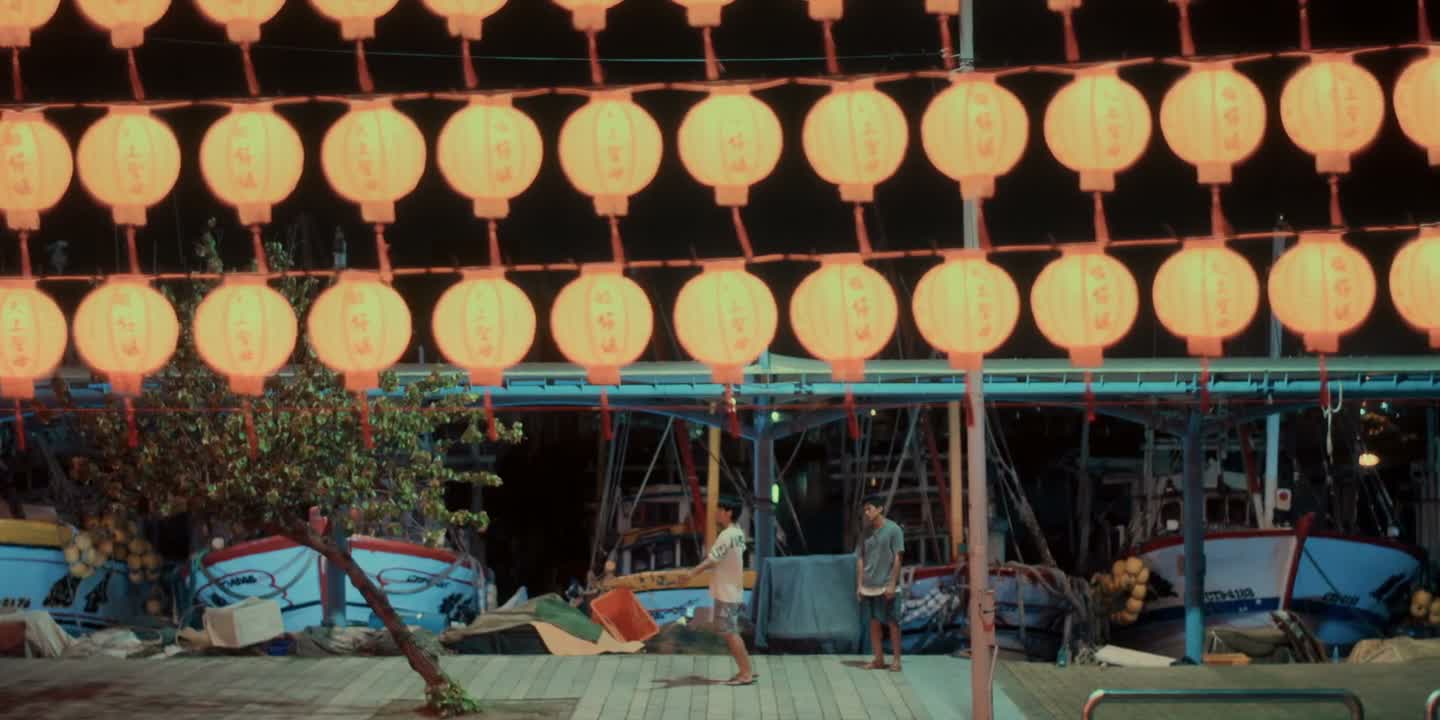
“I'm super happy.”

“I'm so today. I'm so excited!”
“"It's not raining."”
“I've been really happy.”

“my heart was filled with joy,”
“before she died.”
“You always seem so happy.”

“-happy with just your presence. -What is this?”
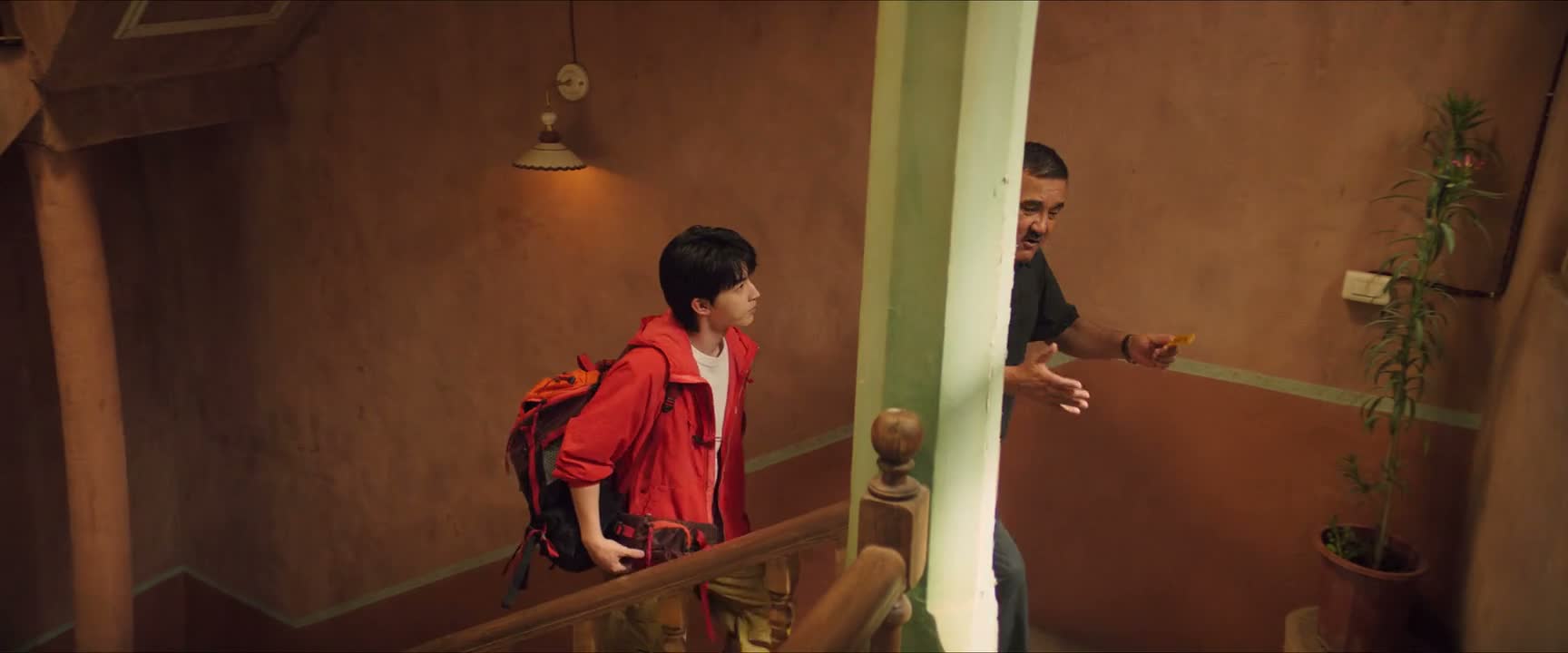
“and having a good time.”

“I'm so happy. This feels like a dream.”
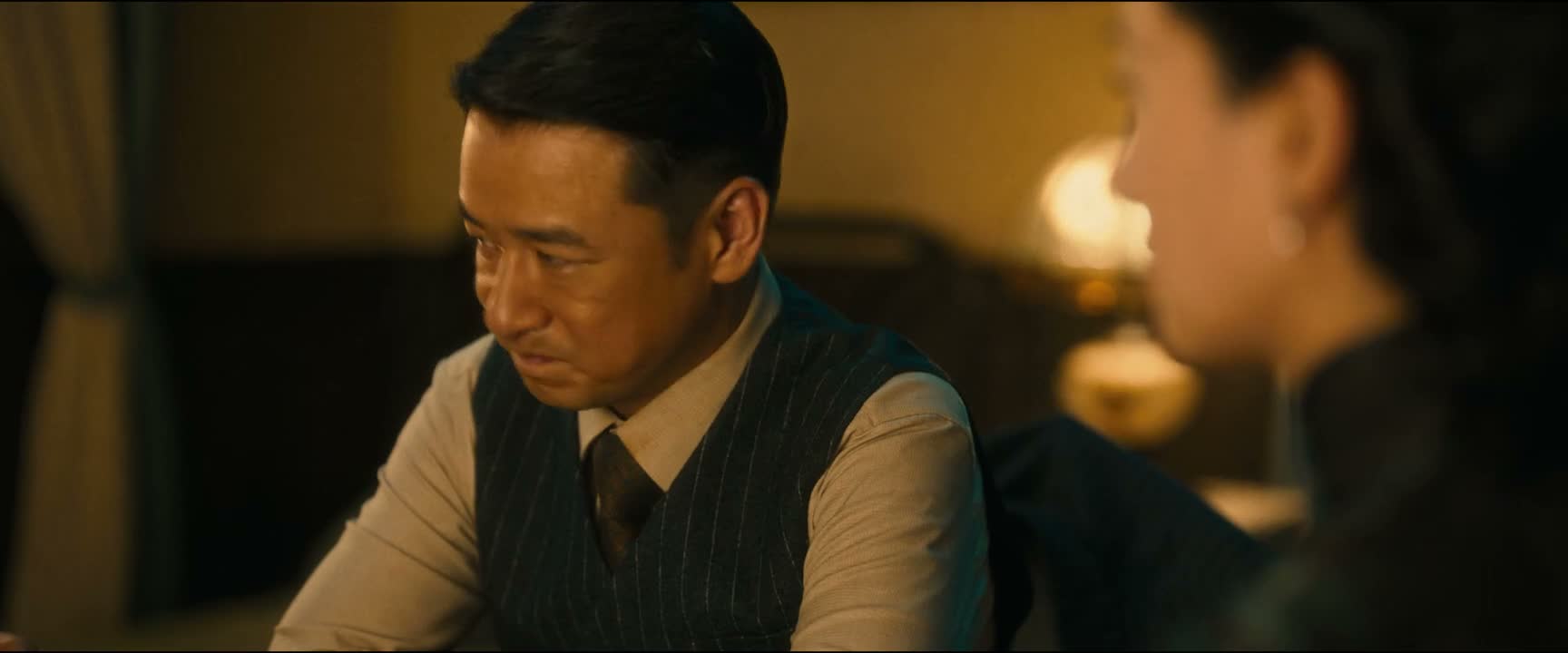
“I'm so happy today.”

“I'm very happy today.”
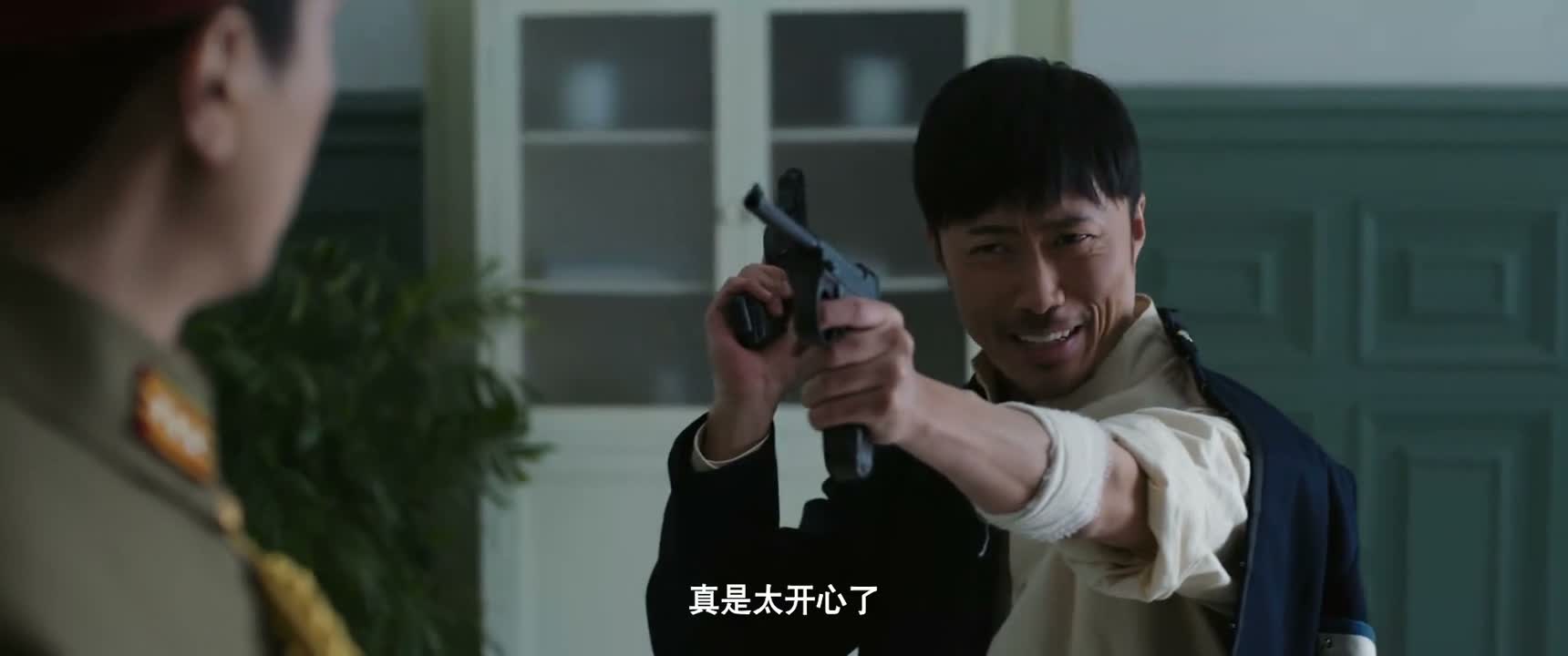
“is really such a joy.”
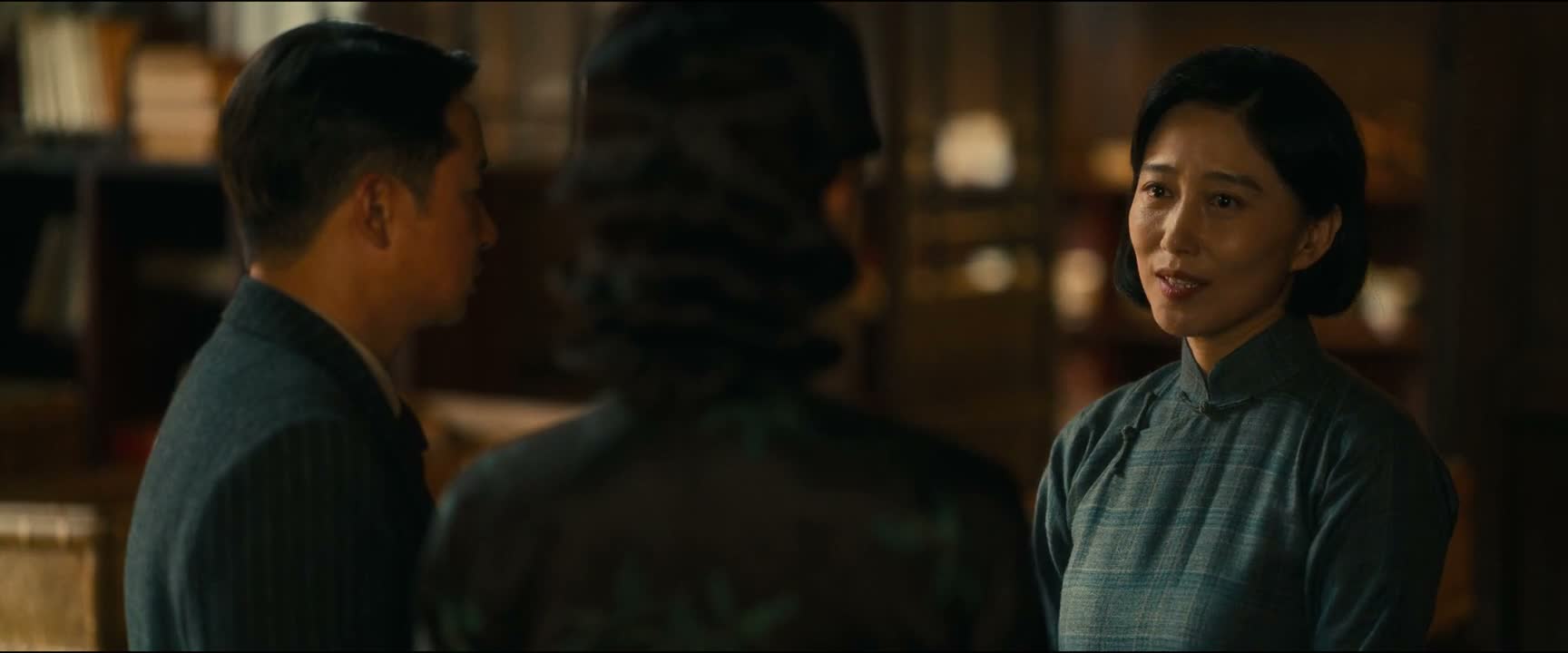
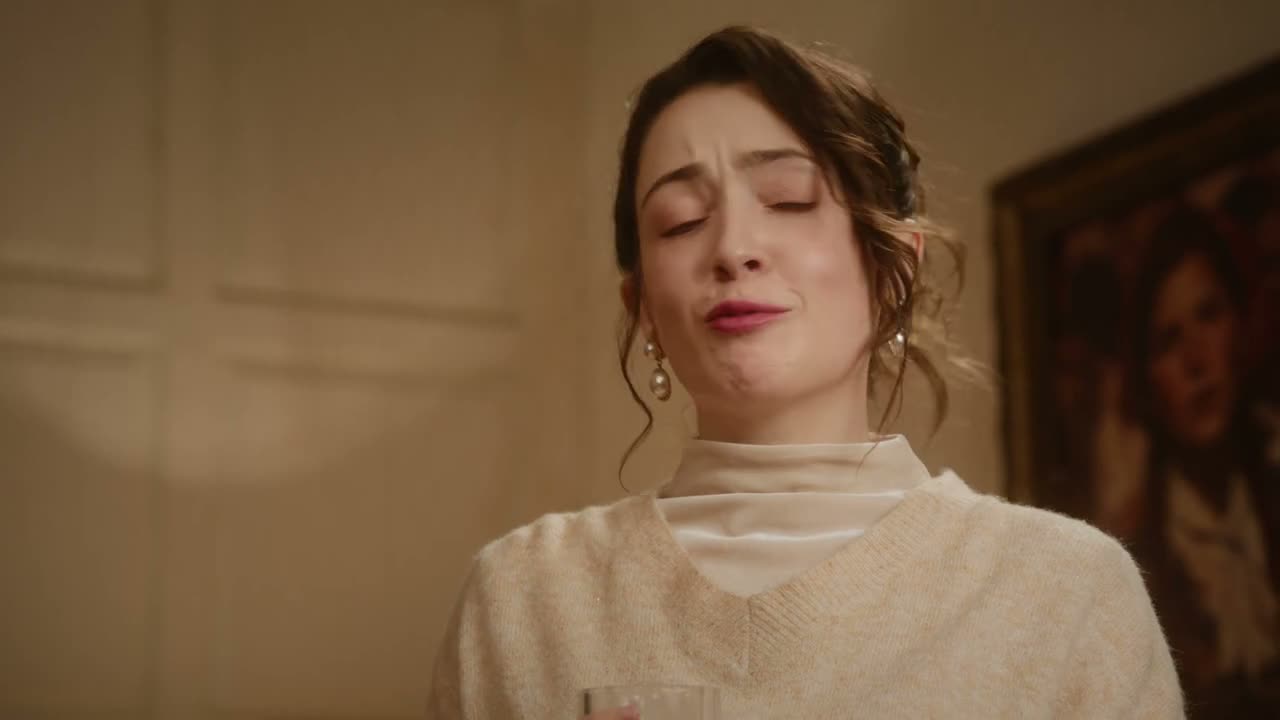
“It made me very happy.”
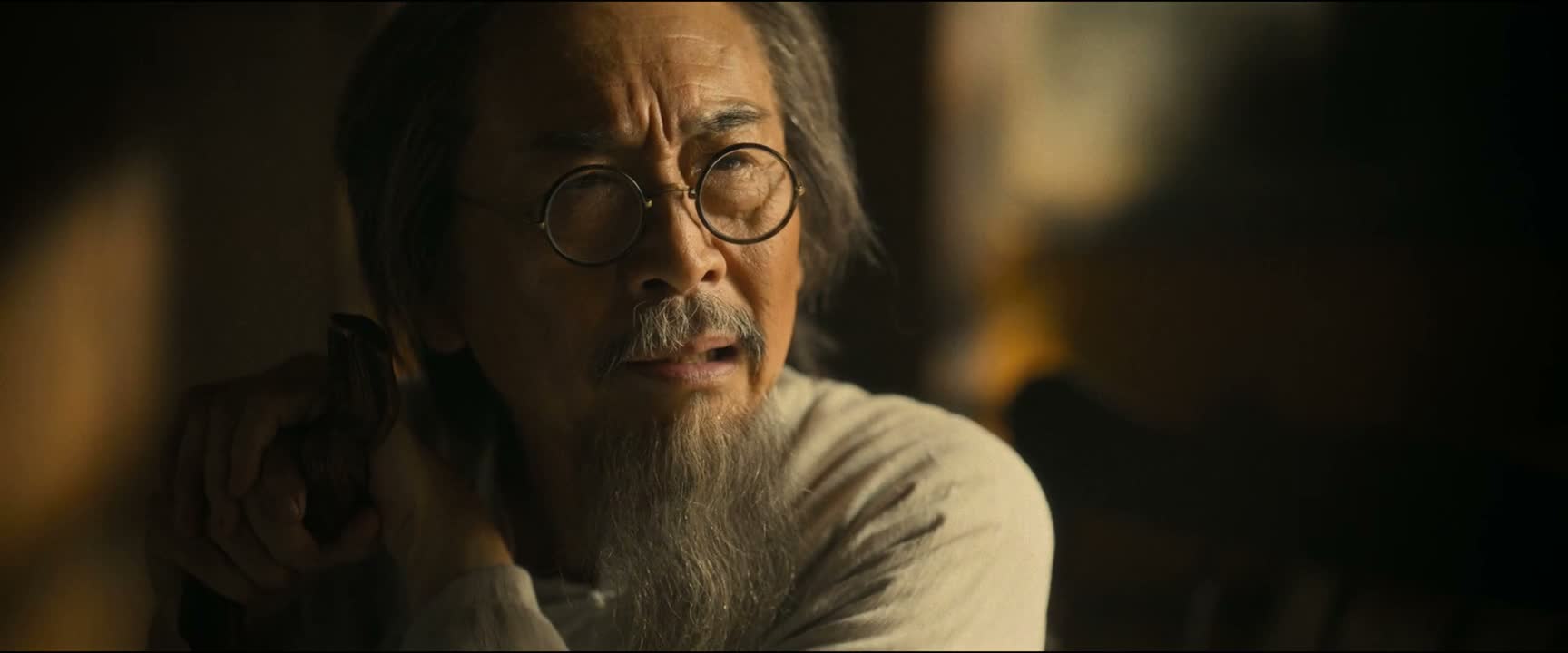
“and healthy, I'm truly happy.”