不是聂予诚你几个意思啊
“Nie Yucheng, what do you mean?”
THE DIALOGUE REEL
“I don't think we should use that money.”
不是 聂予诚 你几个意思啊
“Nie Yucheng, what do you mean?”
“Why are you always making excuses?”
“What is your problem? Stop making excuses and tell me what you're really up to.”
Phrases like '几个意思' allow speakers to drop polite conversational buffers and demand immediate justification when perceived boundary-crossing or stalling occurs.
LEARNING CHUNKS & PARTICLES
What is the meaning of this? / What are you playing at?
A colloquial rhetorical question used to confront someone when their behavior or words seem uncooperative, suspicious, or offensive.
Wait a minute / Hold on
Commonly placed at the beginning of an utterance in conversational Mandarin to express sudden objection, confusion, or annoyance.
Adds exasperation and urgency to the confrontational question.
VOCABULARY & EXPRESSIONS
Parallel Spoken Cinema Scenes (语义近邻切片)

“You are exaggerating, Nie Yucheng.”

“you and Nie Yucheng are in the past.”

“My relationship with Nie Yucheng is over.”
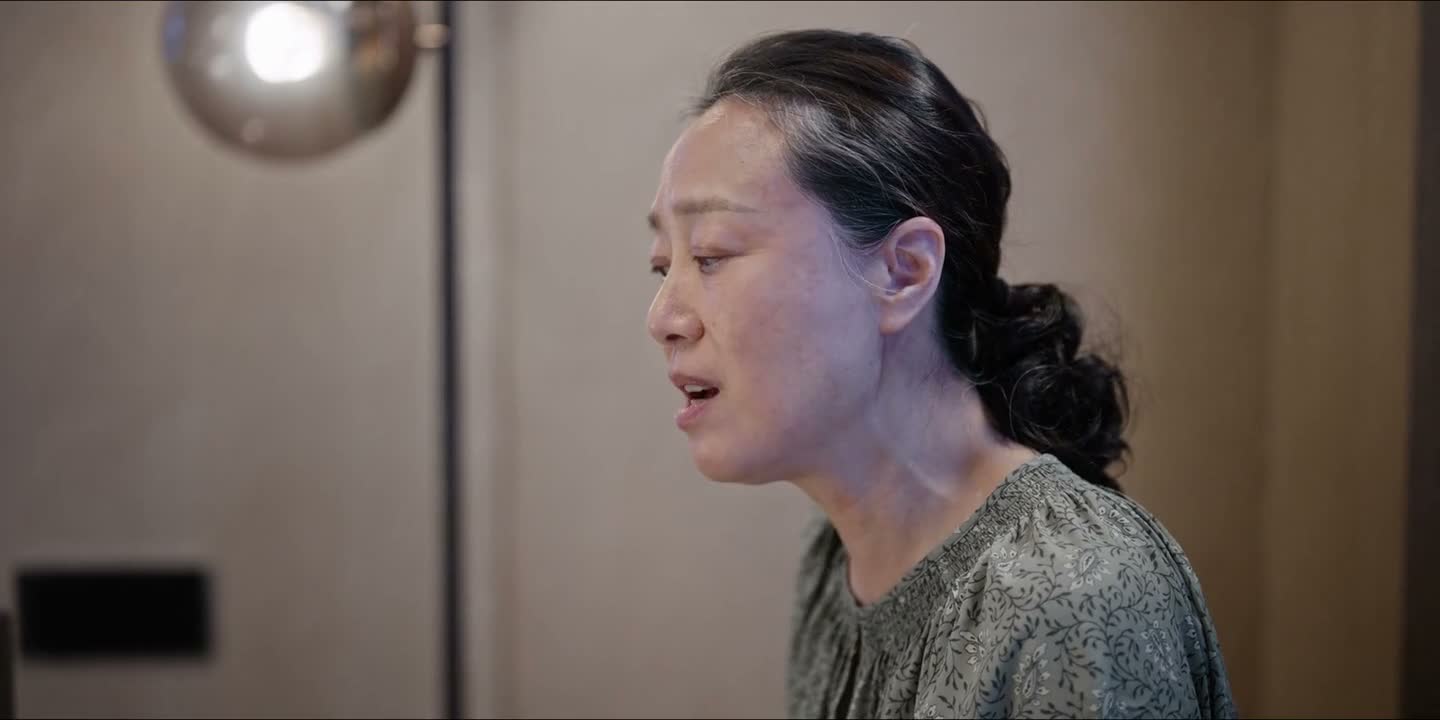
“just relying on the fact that Nie Yucheng has a bit of ability?”

“You flatter yourself, Nie Yucheng.”

“She hasn't mentioned Nie Yucheng at all.”