等我病好了以后你就不照顾我了
“you wouldn't look after me anymore.”
THE DIALOGUE REEL
“I didn't tell you because you once said that once I got better,”
等我 病好了 以后你就不 照顾 我 了
“you wouldn't look after me anymore.”
但现在我们都结婚了
“But now we're married.”
“I'm scared your affection was just pity and will vanish once I'm healthy.”
Caretaking ('照顾') during illness is a benchmark of marital duty in Chinese society, often blurring the line between obligation and romantic love.
LEARNING CHUNKS & PARTICLES
after I...; once I...
Essential time-frame structure for introducing conditions or temporal points in conversational Chinese.
take care of me; look after me
Standard collocation denoting both physical nursing and affectionate emotional care.
Marks the change of state or conditional cessation of an ongoing action.
VOCABULARY & EXPRESSIONS
Parallel Spoken Cinema Scenes (语义近邻切片)

“If I get better,”
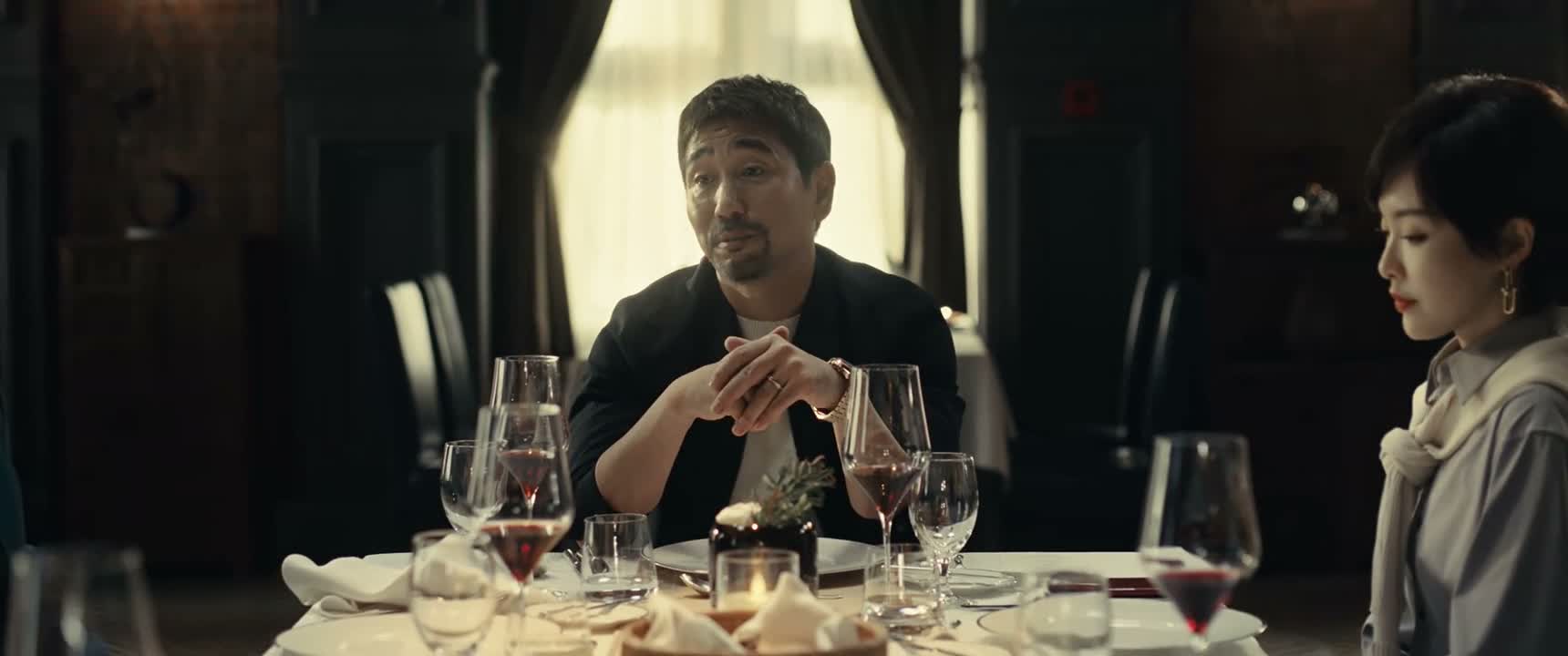
“I'm not like that. If I take care of one side, I can't handle the other.”

“Once I recover, you won't be able to run away.”
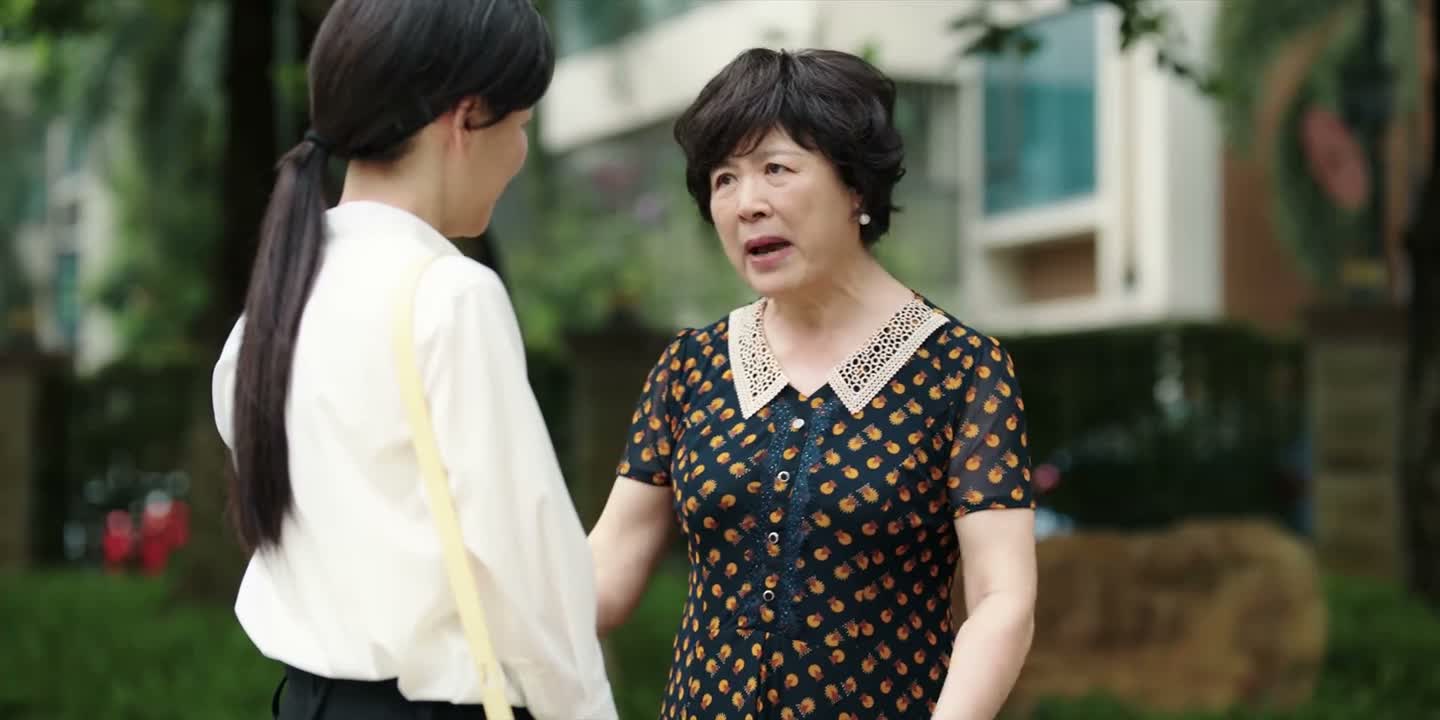
“But he cured your illness.”

“I'll be counting on you then from now on.”

“You wouldn't let me see you.”