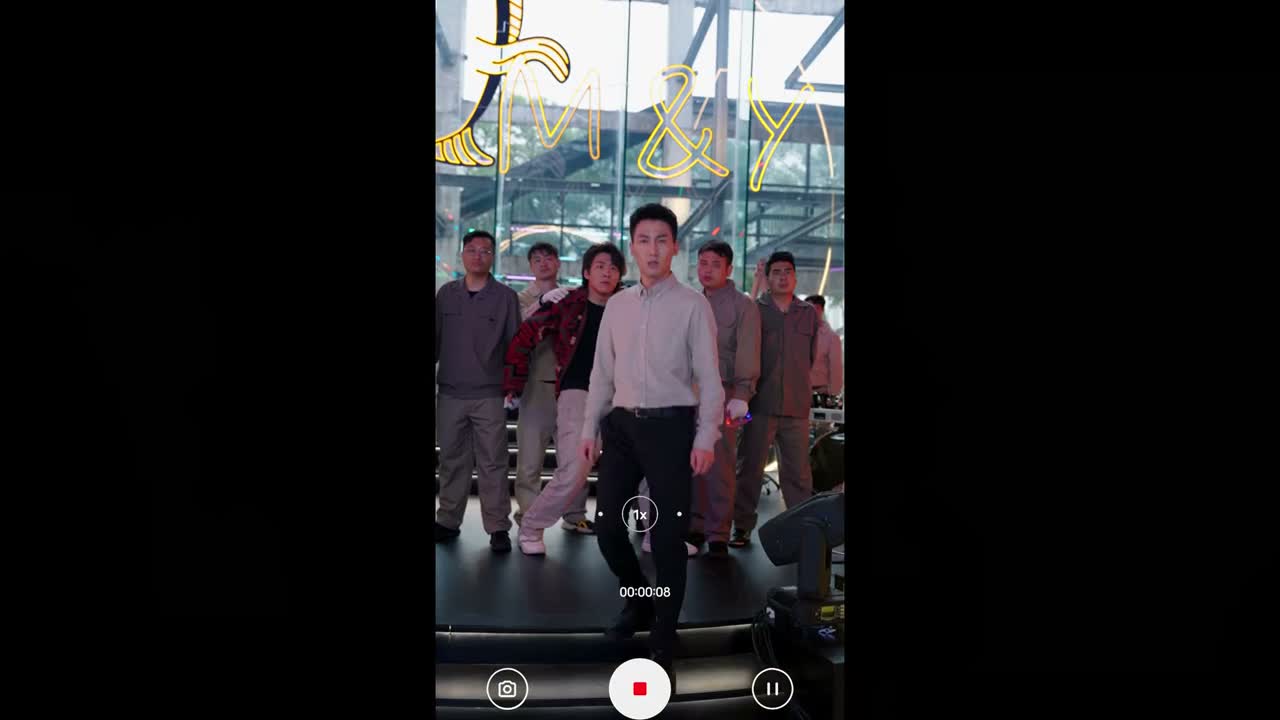
你知道你老板为啥发那么大火吗
“why your boss went livid?”
THE DIALOGUE REEL
你
“Do you know...”
你知道 你 老板 为啥 发 那么 大火 吗
“why your boss went livid?”
其实她老公跟我们都认识
“Actually, we all knew her husband.”
“You probably think it was about work, but let me clue you into the real behind-the-scenes drama.”
Navigating Chinese workplace dynamics often relies heavily on informal grapevine intelligence regarding superiors' personal lives, which influences professional moods.
LEARNING CHUNKS & PARTICLES
why (colloquial)
A very common colloquial alternative to 为什么, typical in northern and casual conversational Chinese.
lose one's temper so severely / throw such a big tantrum
Used to describe explosive anger or intense emotional outbursts in personal or professional settings.
Forms a standard polar question to probe the listener's awareness before offering new information.
VOCABULARY & EXPRESSIONS
Parallel Spoken Cinema Scenes (语义近邻切片)

“What does her absence have to do with me?”

“your boss has already confessed.”

“Our boss really is different from everyone else.”

“The owner there was clearly acting strange.”

“You are flattering me.”
“Do you know who my boss is?”