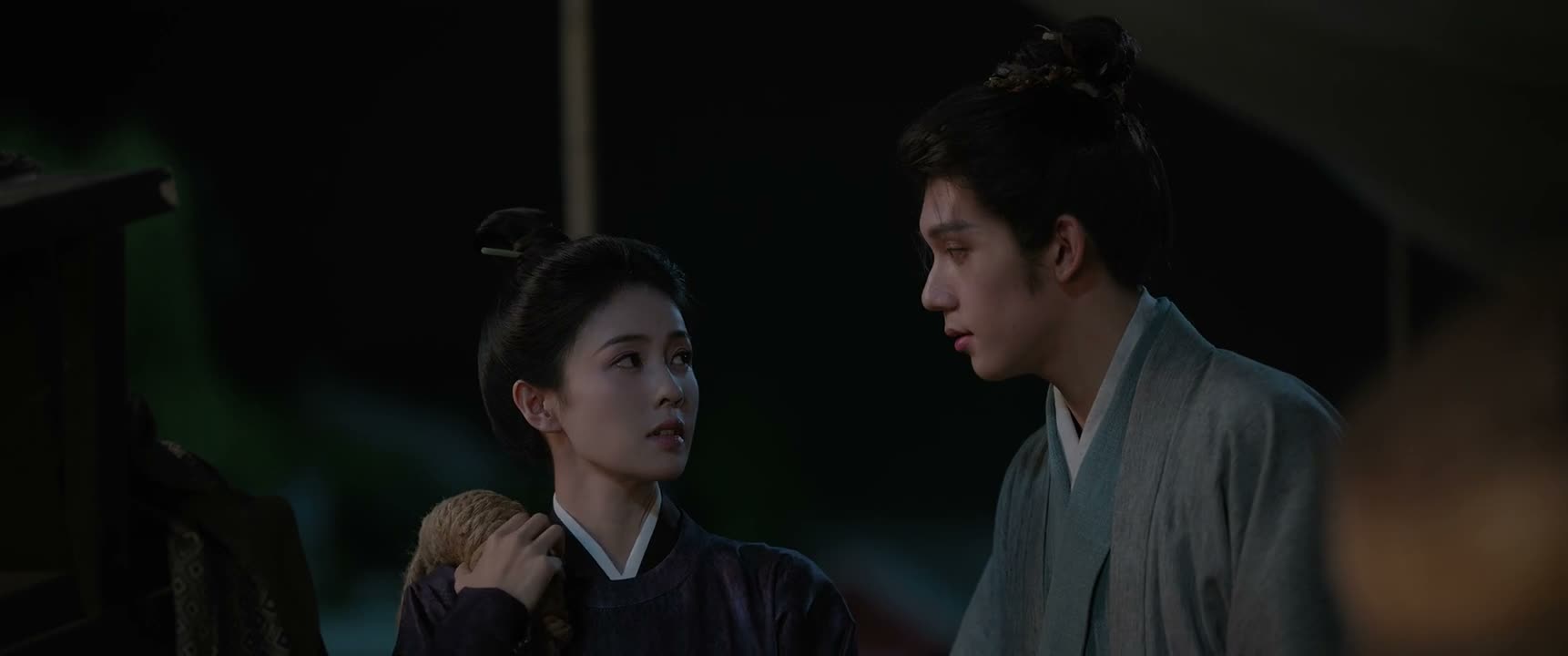
你以前 不是总说我命不好吗
“Didn't you say that I was unlucky back then?”
THE DIALOGUE REEL
你命比我好
“you're luckier than I am.”
你 以前 不是总说 我 命不好 吗
“Didn't you say that I was unlucky back then?”
“A young girl who dropped out of junior middle school went to city for a better life,”
“You used to look down on my prospects, so don't act now like I've always had it easy.”
In Chinese culture, 'ming' (destiny or luck) is frequently referenced in casual conversation to explain success, hardship, or life outcomes.
LEARNING CHUNKS & PARTICLES
having bad luck; born under an unlucky star
Used colloquially to lament unfortunate life circumstances or lack of luck.
didn't (you) always say
Rhetorical construction used to challenge someone with their own previous words.
Forms a rhetorical question that prompts the listener to recall past words.
VOCABULARY & EXPRESSIONS
Parallel Spoken Cinema Scenes (语义近邻切片)

“I was wrong before.”

“then blame fate. Am I right?”

“Blame your own bad luck for that.”
“Weren't you saying you owe me lives?”

“I used to think I was unlucky,”

“It's my fault.”