一会儿出去万一再碰见老鸹
“What if you run into a crow later,”
THE DIALOGUE REEL
另外我也担心 你现在是这么想的
“I'm also worried. You think this way now.”
一会儿 出去 万一 再 碰见 老鸹
“What if you run into a crow later,”
屎拉到你肩膀上
“and it poops on your shoulder?”
“Don't be so confident—bad luck could strike again and change your mind in a second.”
In traditional northern Chinese folklore, crows ('laogua') are often associated with bad luck, so bringing them up humorously implies someone is prone to misfortune.
LEARNING CHUNKS & PARTICLES
just in case ... again
Combines hypothetical anxiety ('wanyi') with repetition ('zai') to discuss recurring mishaps.
crow (Northern dialect)
A colloquial northern Chinese term for crow, often culturally associated with bad omens or unlucky situations.
VOCABULARY & EXPRESSIONS
Parallel Spoken Cinema Scenes (语义近邻切片)
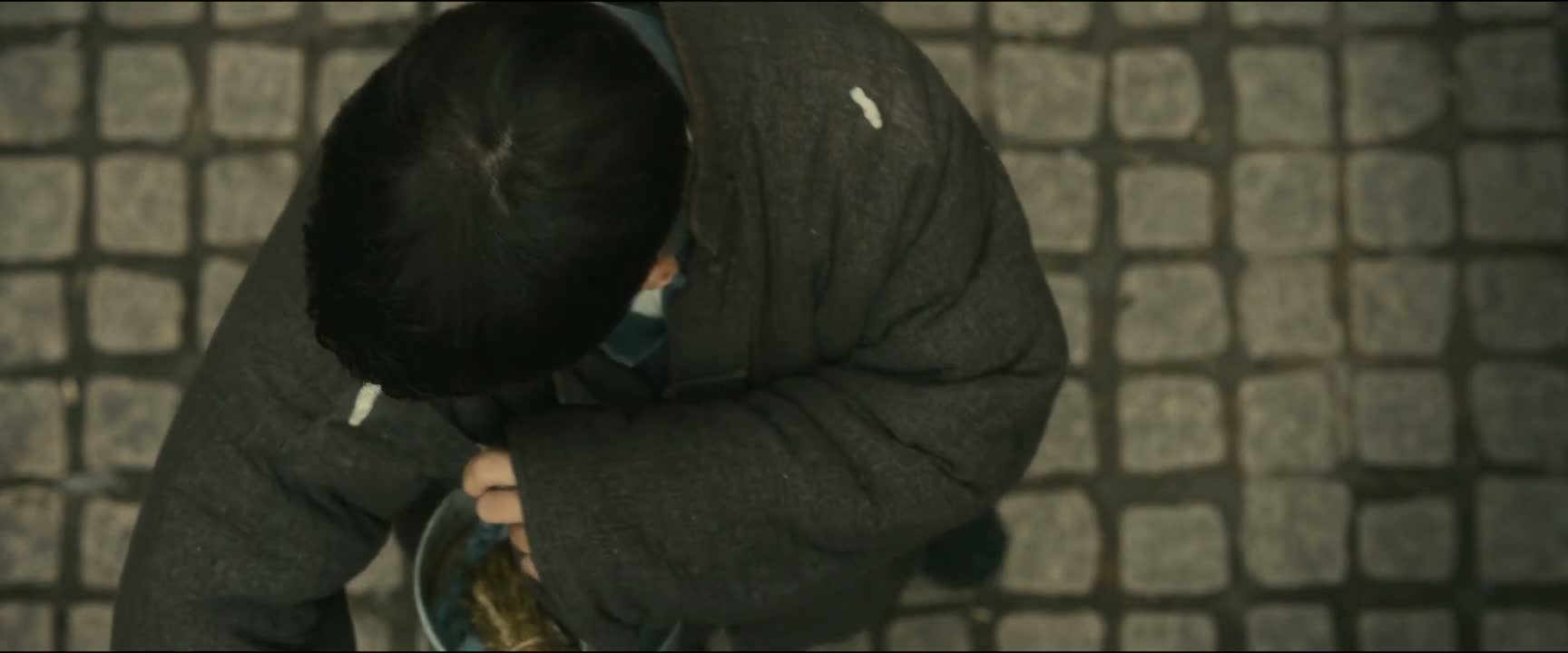
“You old crow, I...”

“You sound like a crow now. How come?”

“I even wanted to throw the sword away. At that moment, a crow cawed”

“Since when did the yard get so many fools?”
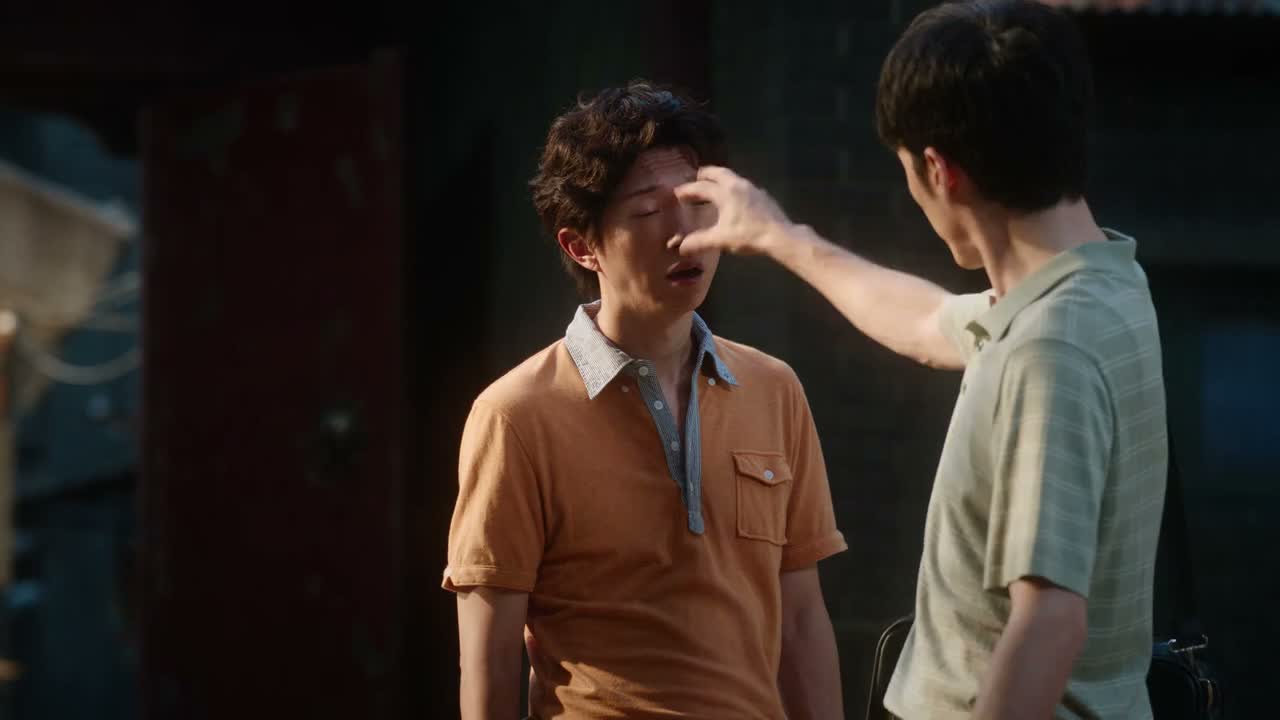
“No proof, no deal.”

“Two blockheads.”