带这么多东西干吗呀 应该的
“bring all these things. It's only right.”
THE DIALOGUE REEL
我们家方穆扬啊 就是热情好客 你说你来就来呗
“Fang Muyang is just very hospitable. You really didn't have to”
带这么多东西干吗 呀 应该的
“bring all these things. It's only right.”
你跟方穆扬 你们俩
“You and Fang Muyang... Are you two...”
“Don't mention it; showing up empty-handed would be impolite.”
Chinese social norms dictate that guests never visit empty-handed, while hosts reflexively protest that bringing gifts was unnecessary.
LEARNING CHUNKS & PARTICLES
why; what for
A common colloquial phrase used to question an action gently or show mock protest.
it is only right; it is my duty
A standard, polite set phrase used when receiving thanks or praise for doing a favor or bringing a gift.
Softens the interrogative question to sound warm and informal rather than demanding.
VOCABULARY & EXPRESSIONS
Parallel Spoken Cinema Scenes (语义近邻切片)
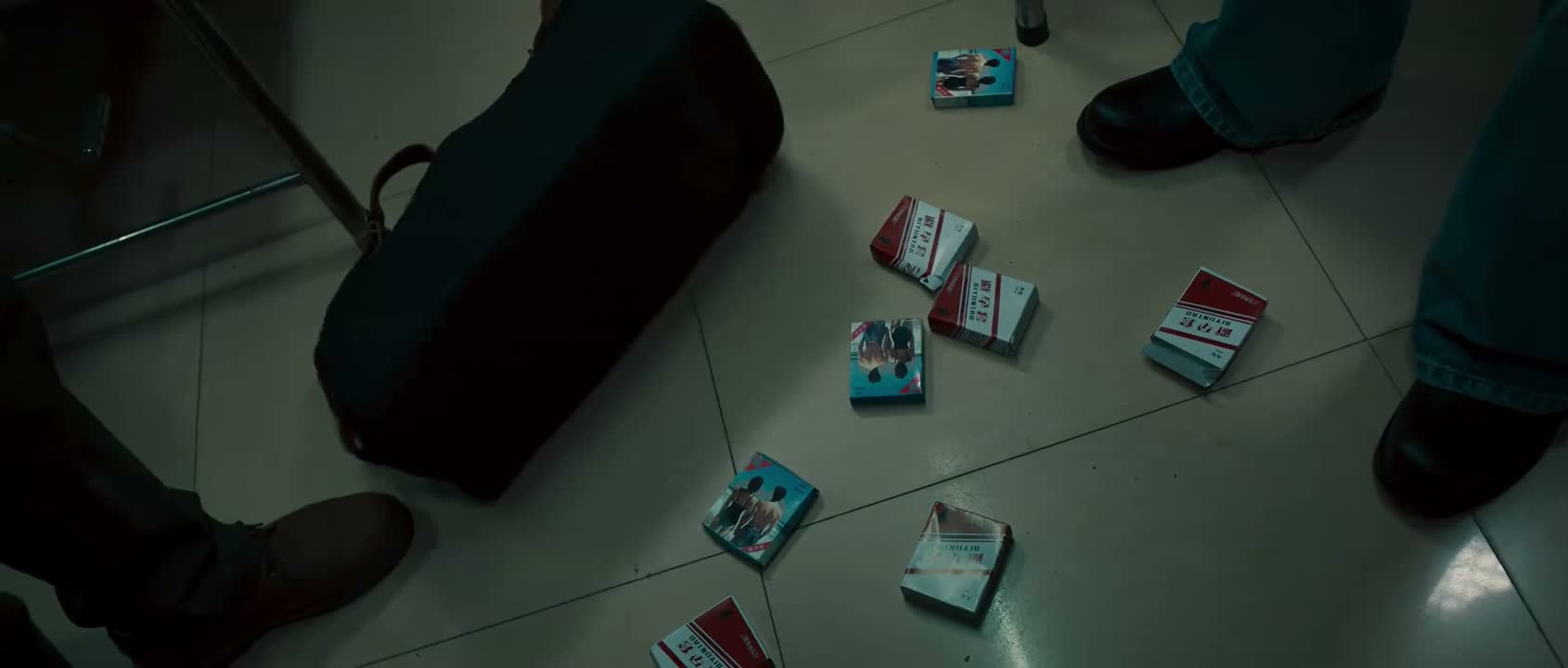
“With so many things, are you planning to open a shop?”

“many things were missing.”
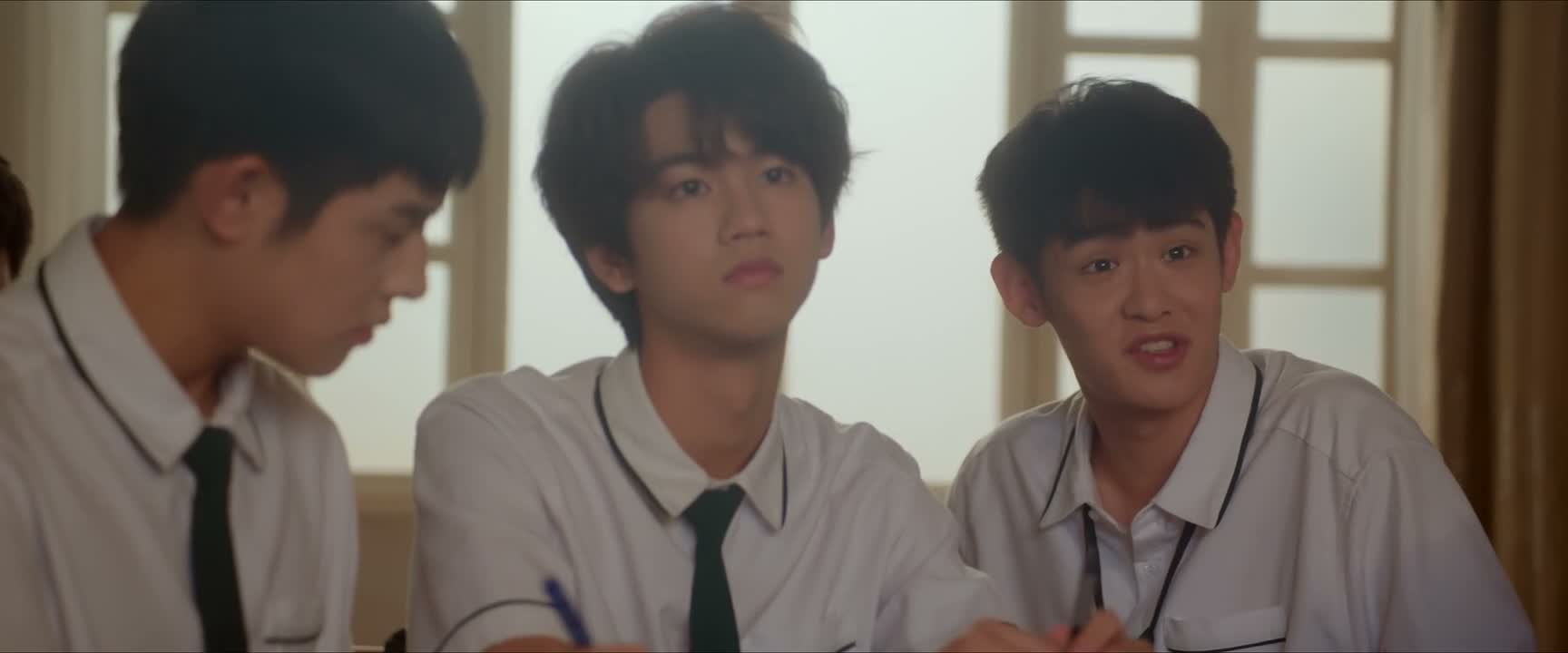
“how many things we should keep. -Yeah. -Yeah.”

“What's the point of picking on her?”
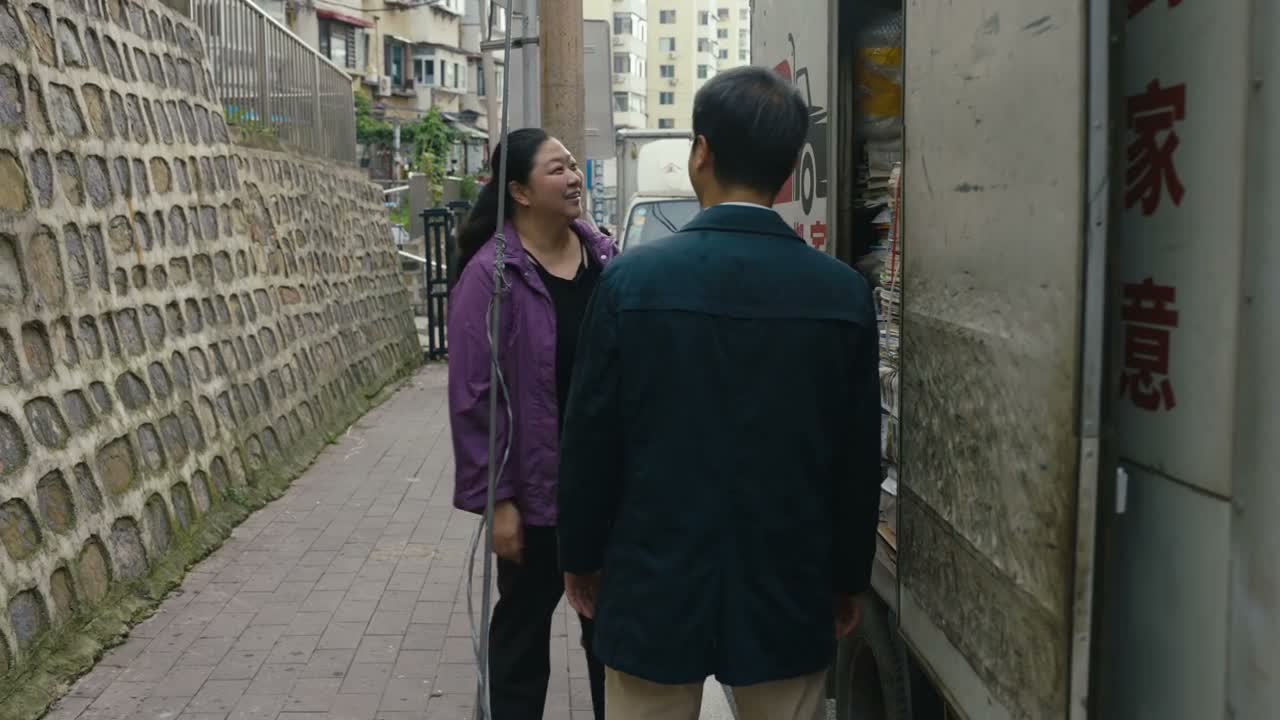
“You've got a lot of stuff.”

“Why did you add all that at the end?”