但儿臣也从来没有责怪她
“But I've never blamed her for it.”
THE DIALOGUE REEL
对儿臣有误解
“because of Longsheng.”
但儿臣也从来没有责怪她
“But I've never blamed her for it.”
儿臣只希望父王
“Father, I only hope”
“I am the victim here, but look how noble and accommodating I am being.”
Imperial princes must balance familial filial piety with court deference, presenting themselves as forgiving and virtuous to earn parental and political approval.
LEARNING CHUNKS & PARTICLES
your subject and son (self-appellation of an imperial prince)
Specific to period and historical dramas where a prince addresses his royal father.
never; have never once
Used to emphatically deny that a particular action or attitude has ever taken place.
VOCABULARY & EXPRESSIONS
Parallel Spoken Cinema Scenes (语义近邻切片)
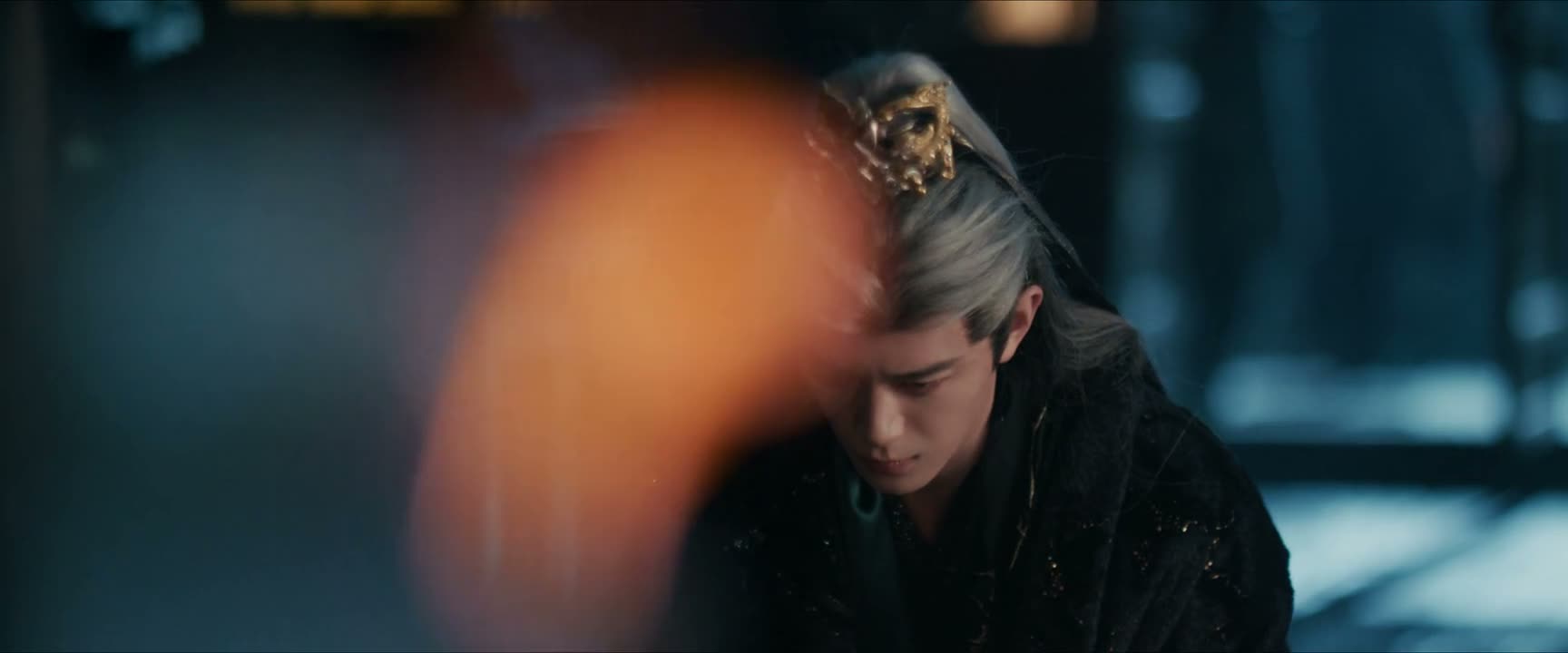
“I have never coveted the throne,”

“she never regretted it.”
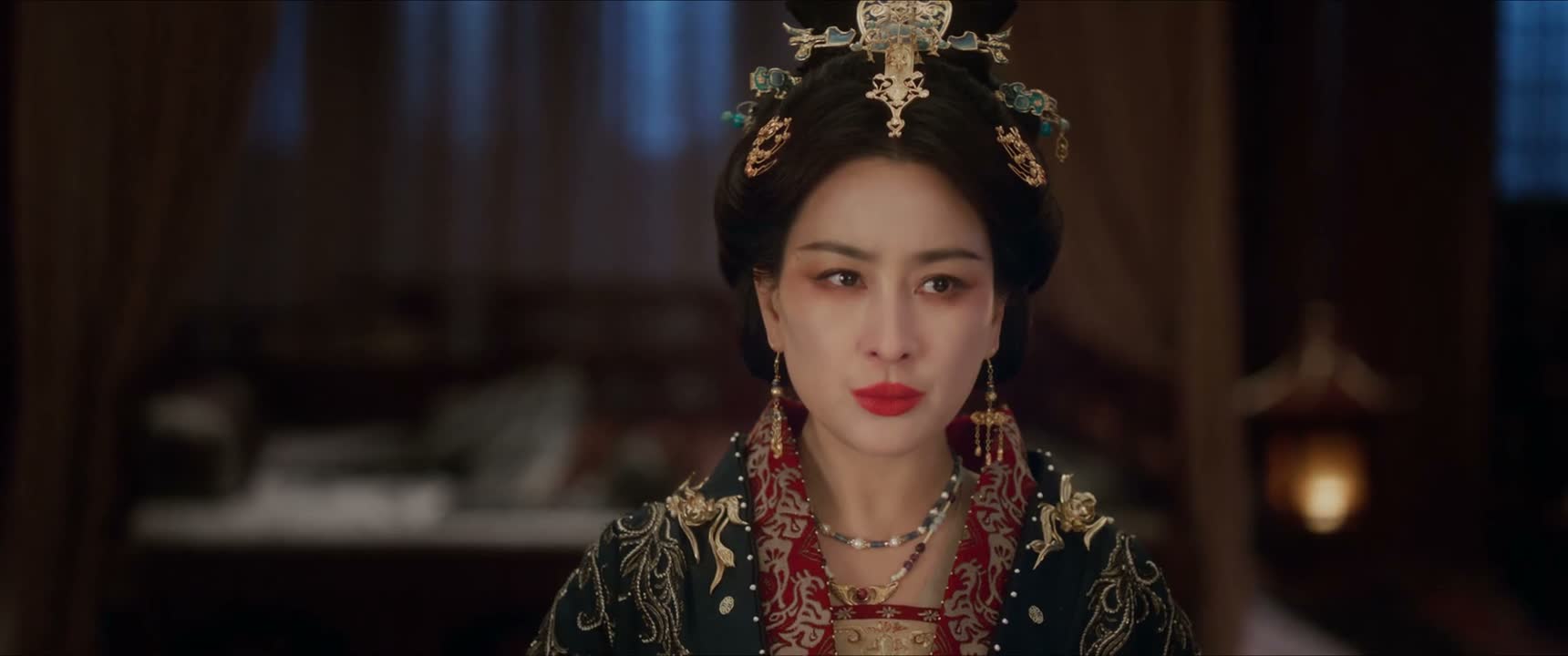
“I've failed your kindness.”

“but I never had any improper thoughts about her.”

“No one has ever ordered me around like this.”
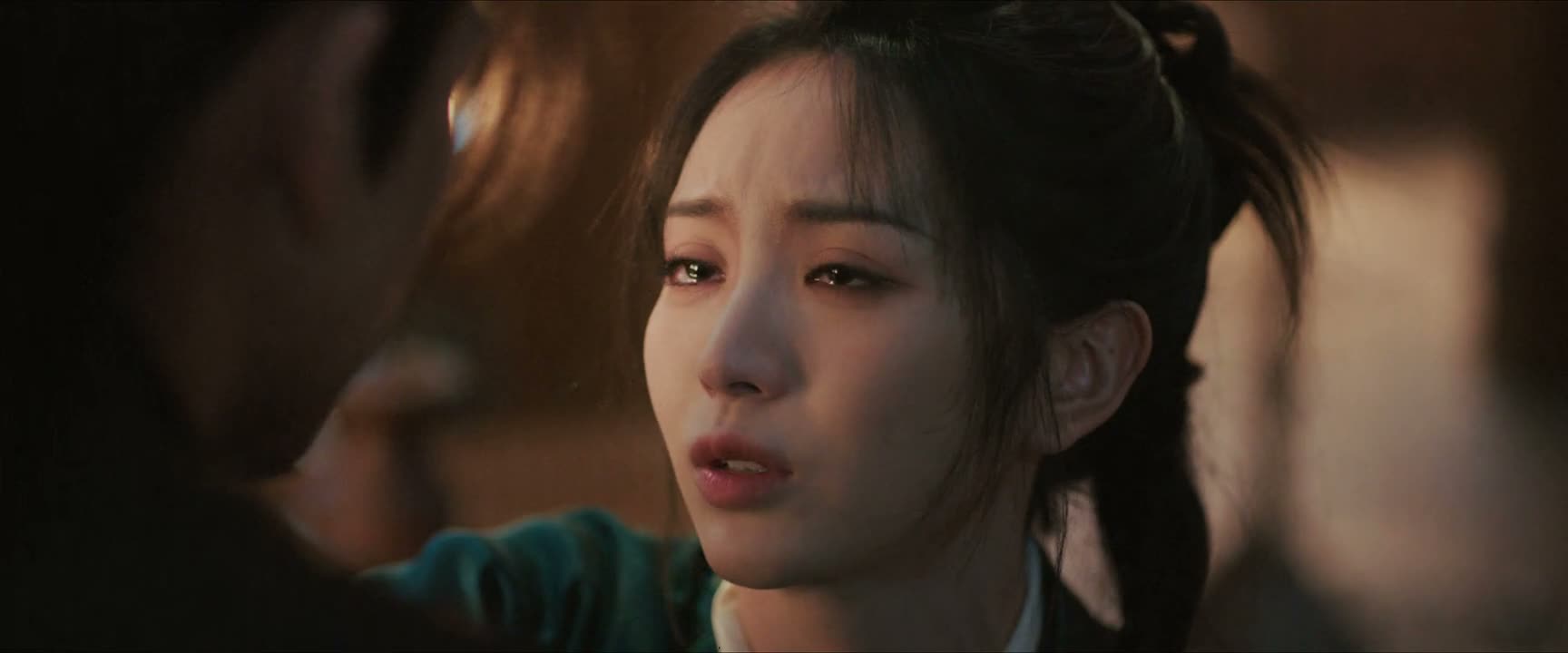
“I've never blamed you.”