你说啥了 他那么听你的
“Bai Shu, what did you say? He listened to you so well.”
THE DIALOGUE REEL
柏庶姐姐
“Bai Shu, what did you say? He listened to you so well.”
你说啥了 他 那么听你的
“Bai Shu, what did you say? He listened to you so well.”
“I said he was framing us, which is illegal.”
Direct spoken expression in this communicative setting.
In Chinese social conflicts, having someone whose words carry weight (听某人的话) is essential to resolving heated deadlocks.
LEARNING CHUNKS & PARTICLES
listen to you; do what you say
A very common phrase used when someone follows another's advice, orders, or persuasion obediently.
what did you say?
An informal spoken variation of '你说什么了', common in northern Mandarin.
Marks the completion of an action, indicating that words have already been spoken.
VOCABULARY & EXPRESSIONS
Parallel Spoken Cinema Scenes (语义近邻切片)

“What did you say? You're whispering like a fly.”

“What did she say? Nothing.”
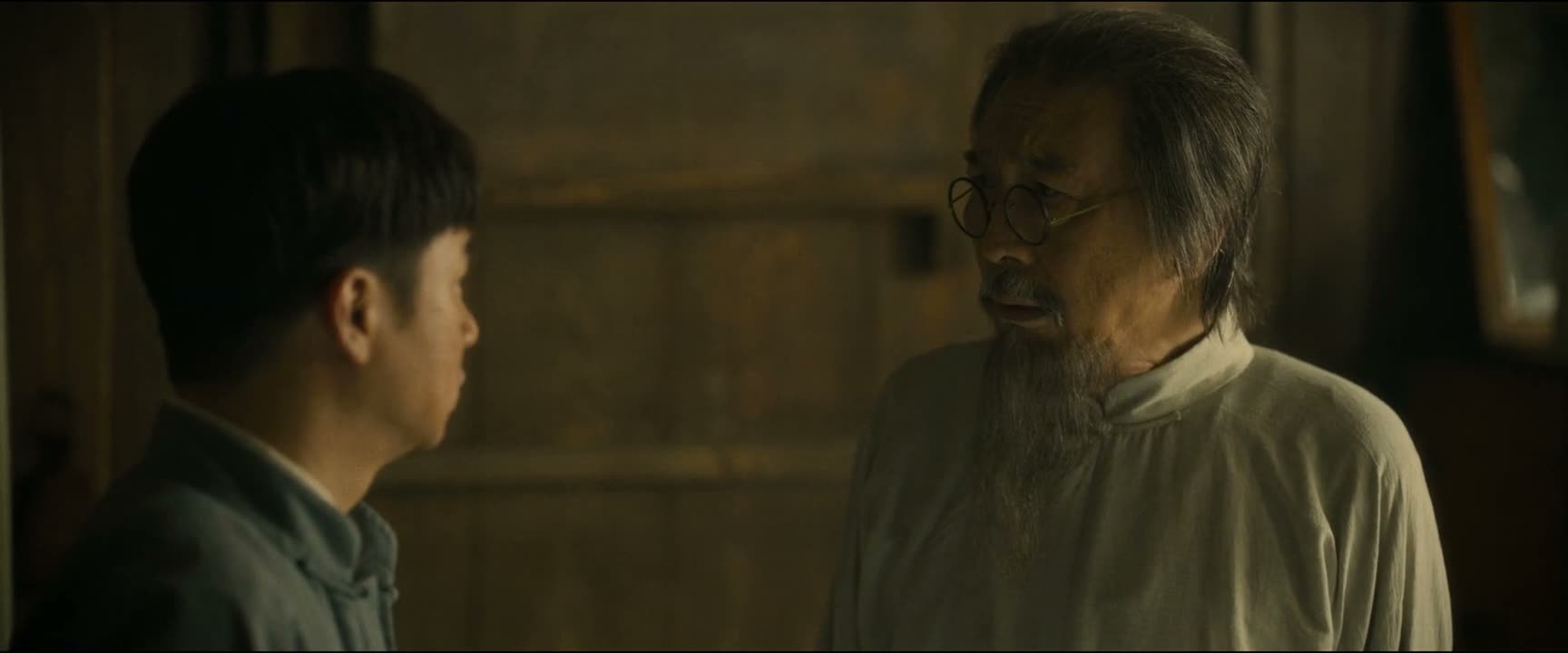
“Then what did you hear me say? I...”

“What? I can't hear you.”

“Just tell me what you want to say. I'll listen.”

“What did you say? Say it again.”