过去的事情就不要再提了
“Let's not bring up the past.”
THE DIALOGUE REEL
是我对不起你
“I'm the one who should be sorry.”
过去的事情 就 不要再提了
“Let's not bring up the past.”
都过去了
“It's all in the past.”
“Stop apologizing; revisiting it only hurts both of us, so let's move on.”
Chinese interpersonal etiquette values moving forward rather than endlessly rehashing guilt once an acknowledgment of wrongdoing is made.
LEARNING CHUNKS & PARTICLES
things in the past / what's done
Refers generically to past disputes, mistakes, or relationships.
don't bring it up anymore
Standard conversational phrase used to close an uncomfortable or painful topic.
Functions with '不要再' to mark cessation of an action.
VOCABULARY & EXPRESSIONS
Parallel Spoken Cinema Scenes (语义近邻切片)

“let's forget about the past.”

“Let bygones be bygones.”
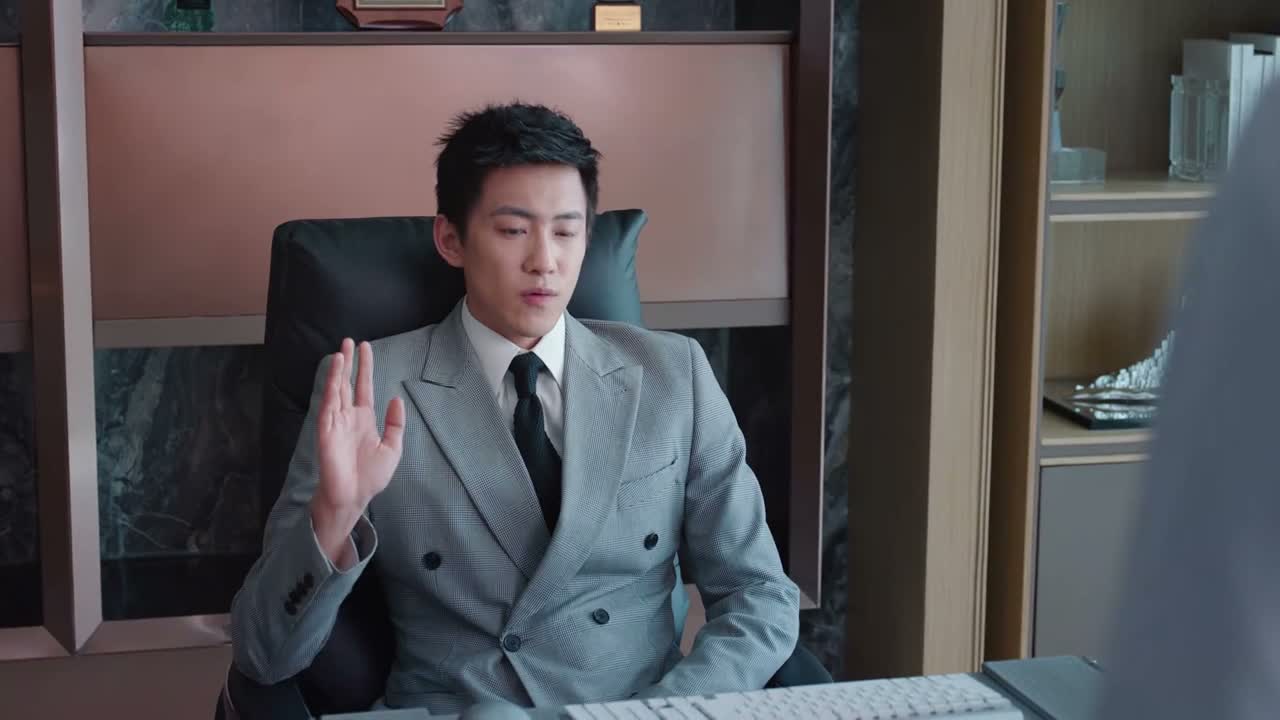
“Let's not talk about the past.”

“Don't bring up my ex-wife again.”

“Don't dwell on the past.”

“there's no need to mention the past.”