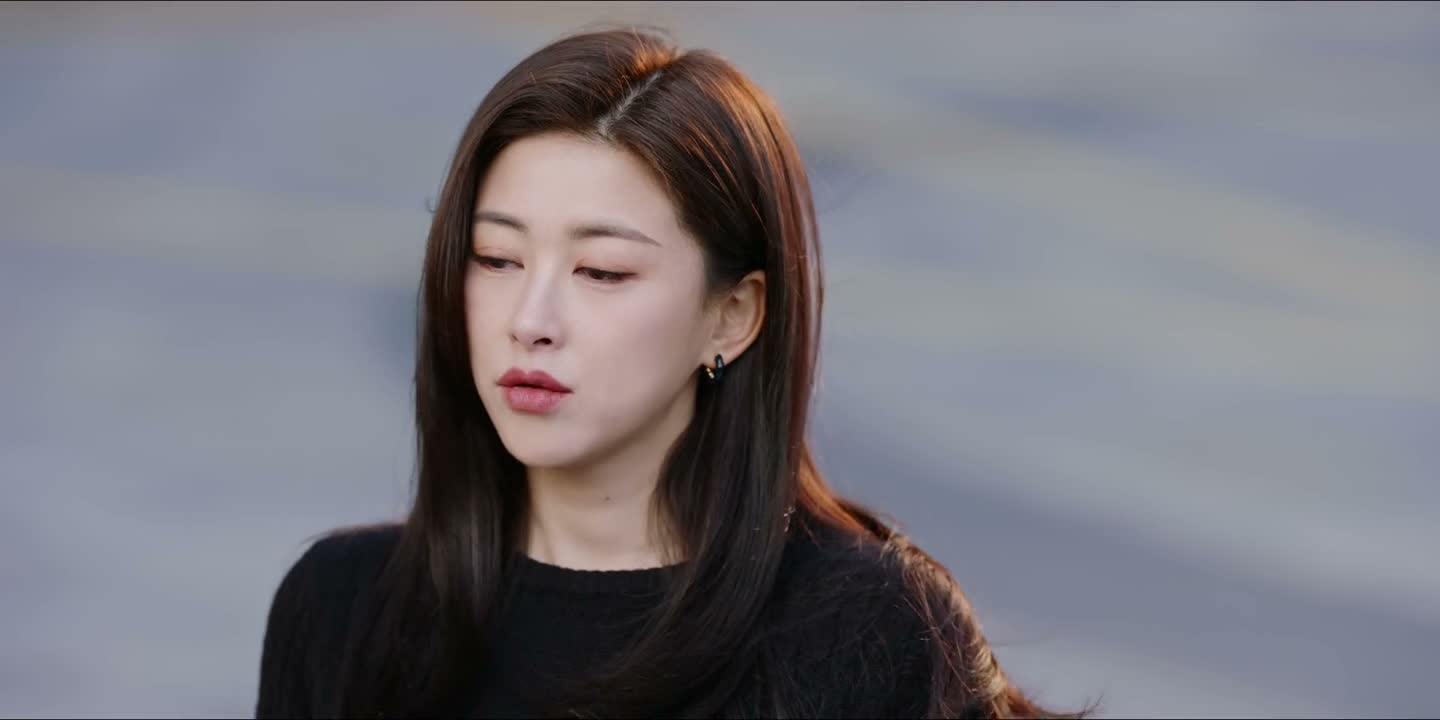
那以前的事就不用再提了
“there's no need to mention the past.”
THE DIALOGUE REEL
“Since we're colleagues now,”
那 以前 的事就 不用再提 了
“there's no need to mention the past.”
“Please call me Ms. Fang from now on.”
“Leave the past behind and keep things strictly professional between us from now on.”
Addressing colleagues with formal titles such as 'Teacher' (老师) rather than given names is a standard way in Chinese professional environments to enforce emotional distance and professional hierarchy.
LEARNING CHUNKS & PARTICLES
past events / the past
Used colloquially to refer broadly to past history, past grievances, or previous romantic entanglements.
no need to mention again / don't bring it up anymore
A polite yet definitive way to shut down a topic of discussion.
Indicates a change of state, signaling that continuing to talk about the past should cease immediately.
VOCABULARY & EXPRESSIONS
Parallel Spoken Cinema Scenes (语义近邻切片)

“let's forget about the past.”

“Forget about the past.”

“It's over. Let's not mention it again. Let's not.”

“Don't dwell on the past.”

“Can you stop bringing that up already?”
“Let's not bring up the past.”

“♪ I won't search for ♪ don't think about the past anymore.”

“Don't bring up my ex-wife again.”