你是想包庇罪犯吗
“are you trying to cover up for a criminal?”
THE DIALOGUE REEL
从动机层面模糊犯罪事实的问题
“about motive to obscure the facts of the crime,”
你是 想 包庇罪犯 吗
“are you trying to cover up for a criminal?”
我只是陈述客观事实
“I'm just stating objective facts.”
“Watch your step; defending this suspect makes you an accomplice.”
Accusing a peer or professional of '包庇罪犯' is an extreme rhetorical weapon in China that elevates a procedural disagreement into a matter of political and legal compliance.
LEARNING CHUNKS & PARTICLES
to shield or harbor a criminal
A formal legal collocation commonly used in investigative debates and crime dramas.
are you looking to... / are you trying to...?
Used rhetorically to question someone's motives when their actions imply a dangerous or unacceptable intention.
Forms a question that acts pragmatically as a stern rhetorical challenge rather than an open inquiry.
VOCABULARY & EXPRESSIONS
Parallel Spoken Cinema Scenes (语义近邻切片)

“Why would he go to so much trouble and frame you for murder?”

“Why are we being questioned like criminals?”
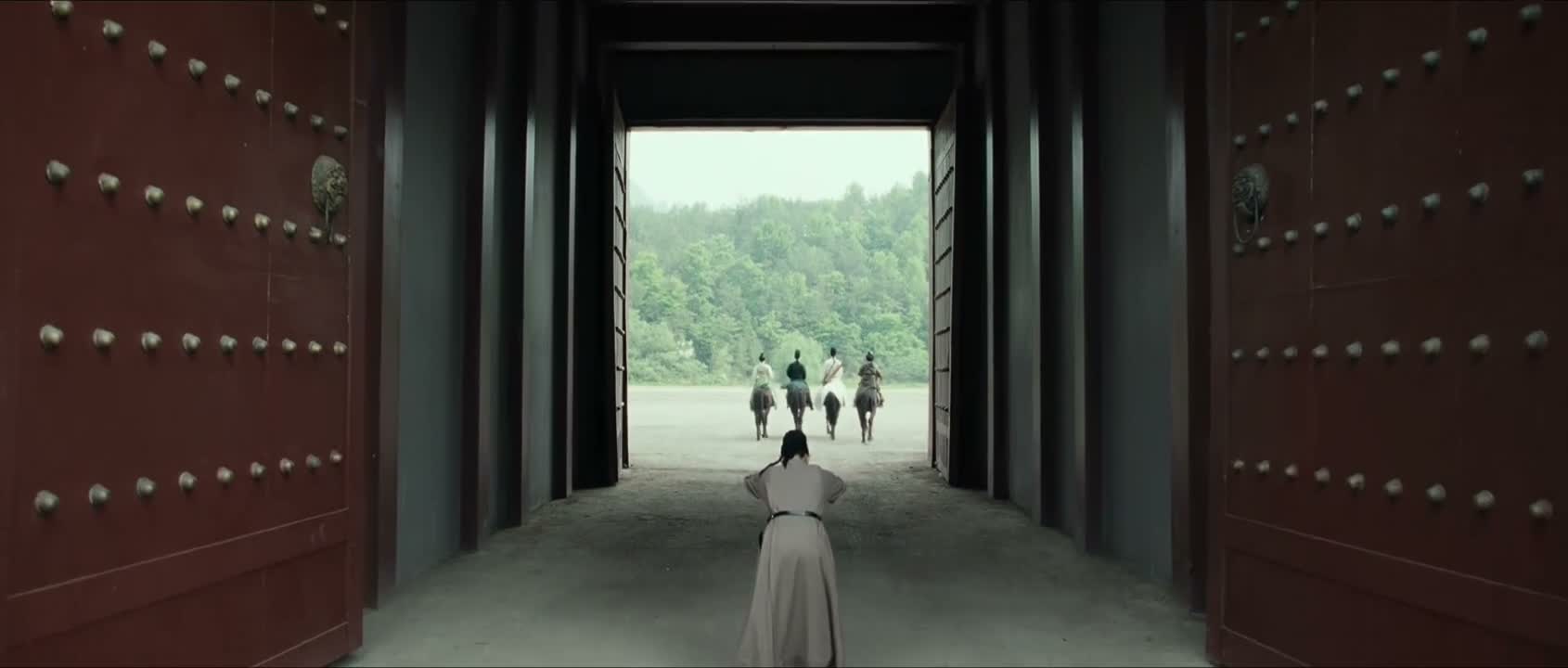
“shielded criminals,”