你是不是就不会这么委屈了
“Would you not feel so wronged then?”
THE DIALOGUE REEL
这样是不是就公平了
“Would that be fair?”
你是不是 就不会 这么 委屈了
“Would you not feel so wronged then?”
如果那个女孩比我好你告诉我
“If that girl is better than me, tell me.”
“I hate seeing you hurt, but I need to know if you will ever let this go.”
'Weiqu' captures a distinct blend of feeling wronged, unappreciated, and emotionally wounded in personal relationships where explicit confrontation is often suppressed.
LEARNING CHUNKS & PARTICLES
would it then be / wouldn't it mean that
Commonly used in spoken Chinese to draw a hypothetical conclusion or verify a cause-and-effect relationship.
feeling this wronged or aggrieved
Used to describe a sense of being treated unfairly, hurt, or made to suffer without justification.
Marks a change of state under the proposed hypothetical condition.
VOCABULARY & EXPRESSIONS
Parallel Spoken Cinema Scenes (语义近邻切片)
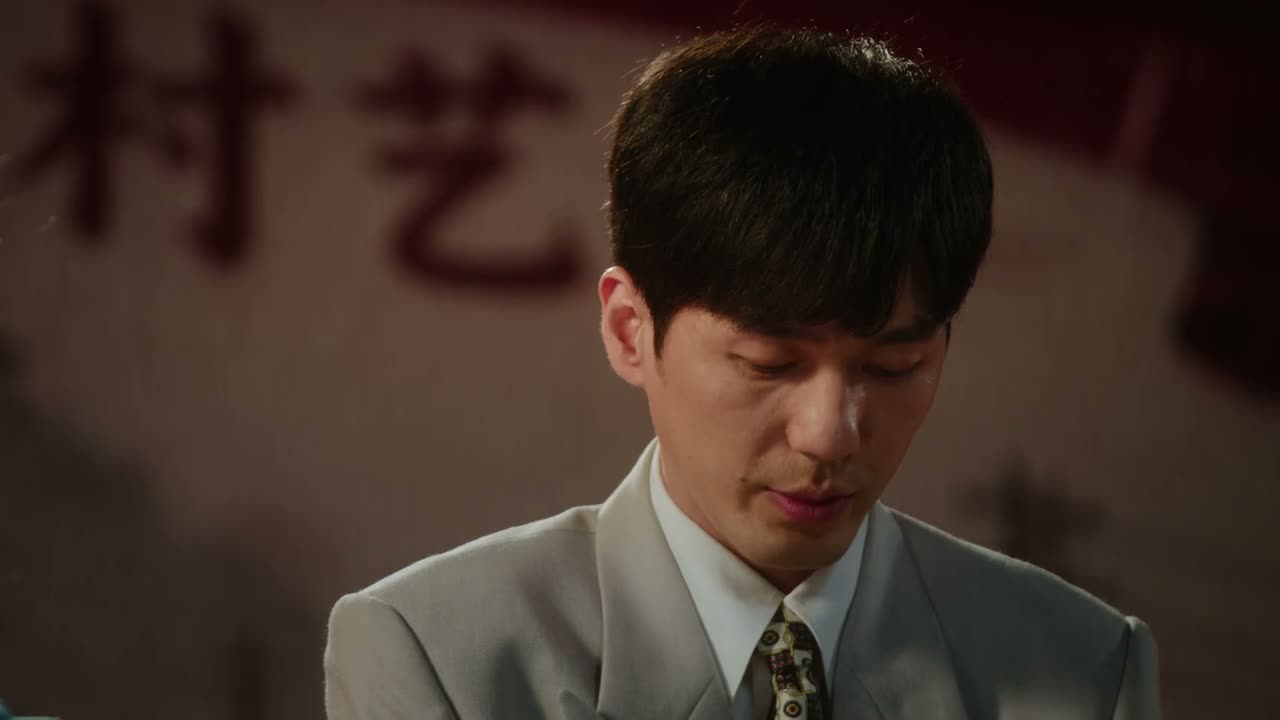
“I was just worried you'd feel wronged.”

“She won't be mistreated.”

“a little hardship on my end is nothing.”
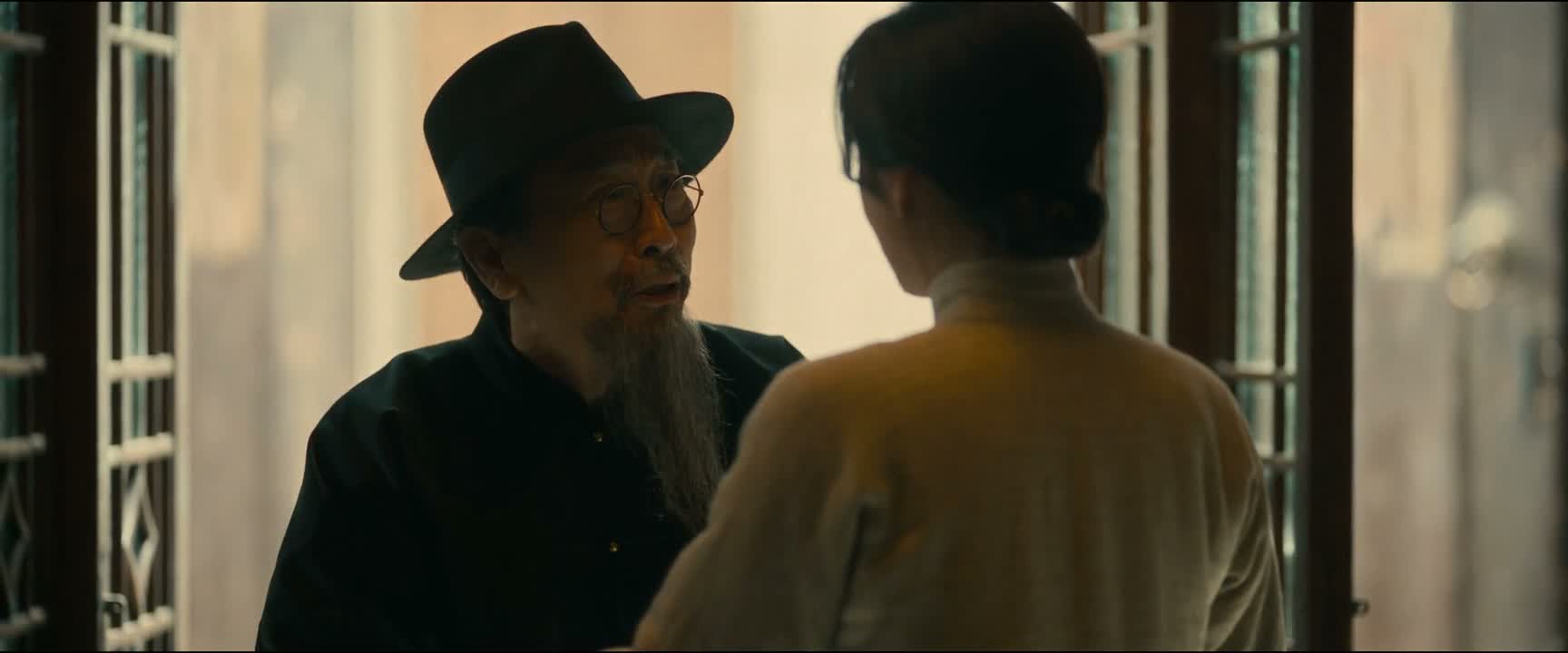
“You've been through a lot.”

“I didn't know you'd suffered so much.”

“You need not force yourself”