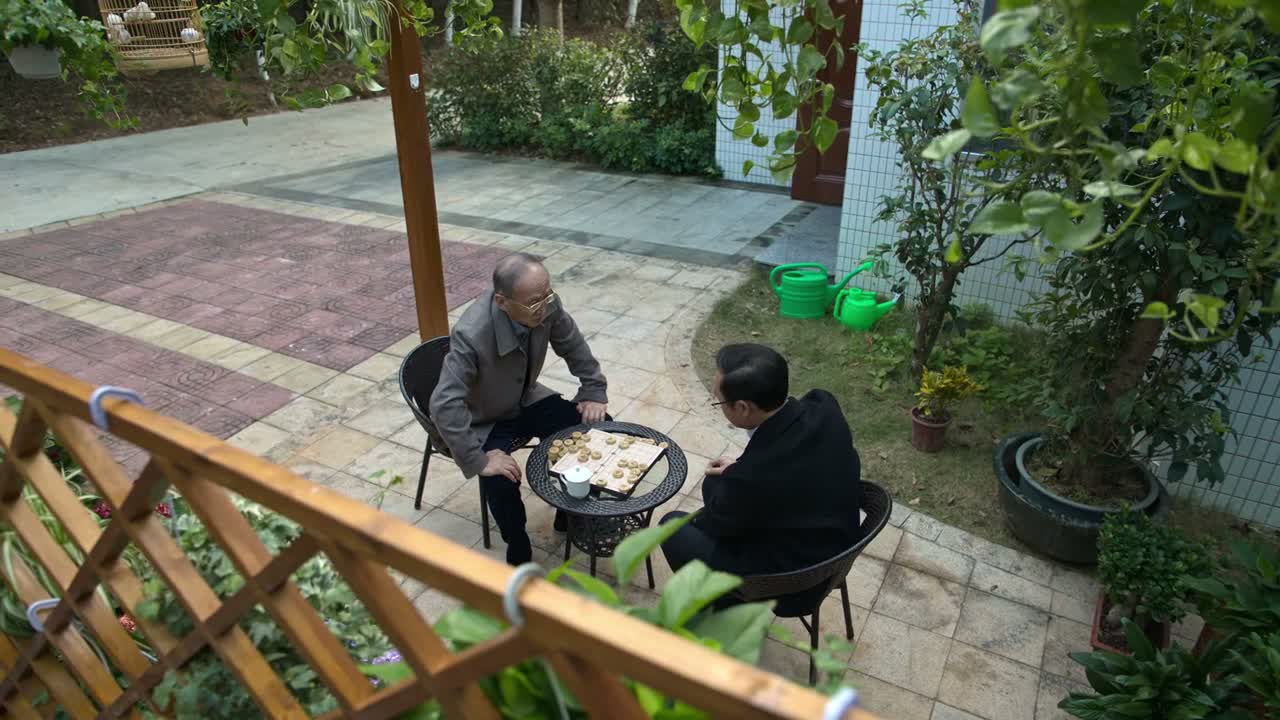
你怎么跟你爱人好像不太熟呢
“You're not very close with your husband, are you?”
THE DIALOGUE REEL
然后肩宽跟徐老师差不多
“His shoulders are about as wide as Mr. Xu's.”
你 怎么跟 你爱 人好 像 不太熟 呢
“You're not very close with your husband, are you?”
行
“You two act like awkward strangers rather than a married couple.”
The term 爱人 (ài·ren) in mainland Chinese traditionally means 'spouse', distinct from its romantic connotation ('lover') in other Chinese-speaking regions or languages.
LEARNING CHUNKS & PARTICLES
not very familiar / not well acquainted
Typically used for casual acquaintances; using it for a spouse points out an unnatural social distance.
spouse (husband or wife)
Standard, slightly formal or traditional mainland Chinese term for a marital partner.
Softens the inquiry, turning a potentially intrusive question into casual musing.
VOCABULARY & EXPRESSIONS
Parallel Spoken Cinema Scenes (语义近邻切片)

“It seems that I don't know you very well.”

“I'm really not familiar with him at all.”

“Feels like I don't know you at all.”

“you're really different from before.”
“very close to you?”

“Maybe she isn't familiar with me.”