我们家又脏又乱 她也不嫌弃 进门就拖地
“Our place is a mess. But she doesn't mind. Upon arriving, she mops and tidies up.”
THE DIALOGUE REEL
老来家里干活
“She often comes by to help.”
我们家 又脏又乱 她 也不 嫌弃 进门 就拖地
“Our place is a mess. But she doesn't mind. Upon arriving, she mops and tidies up.”
“Upon arriving, she mops and tidies up. You've raised your daughter so well.”
Direct spoken expression in this communicative setting.
Willingness to do household chores without complaint is traditionally seen in Chinese culture as a prime indicator of good character and filial upbringing.
LEARNING CHUNKS & PARTICLES
both dirty and messy
A common '又...又...' pattern used to emphasize multiple negative conditions of a physical environment.
not to dislike or look down upon
A key social term expressing polite humility or acknowledging someone's gracious acceptance of modest conditions.
as soon as (someone) enters the door
Expresses immediacy of an action right upon arrival.
VOCABULARY & EXPRESSIONS
Parallel Spoken Cinema Scenes (语义近邻切片)

“If you dirty the floor, your mom will be mopping it. Hurry up.”

“Do you think the trouble we're facing is not big enough?”
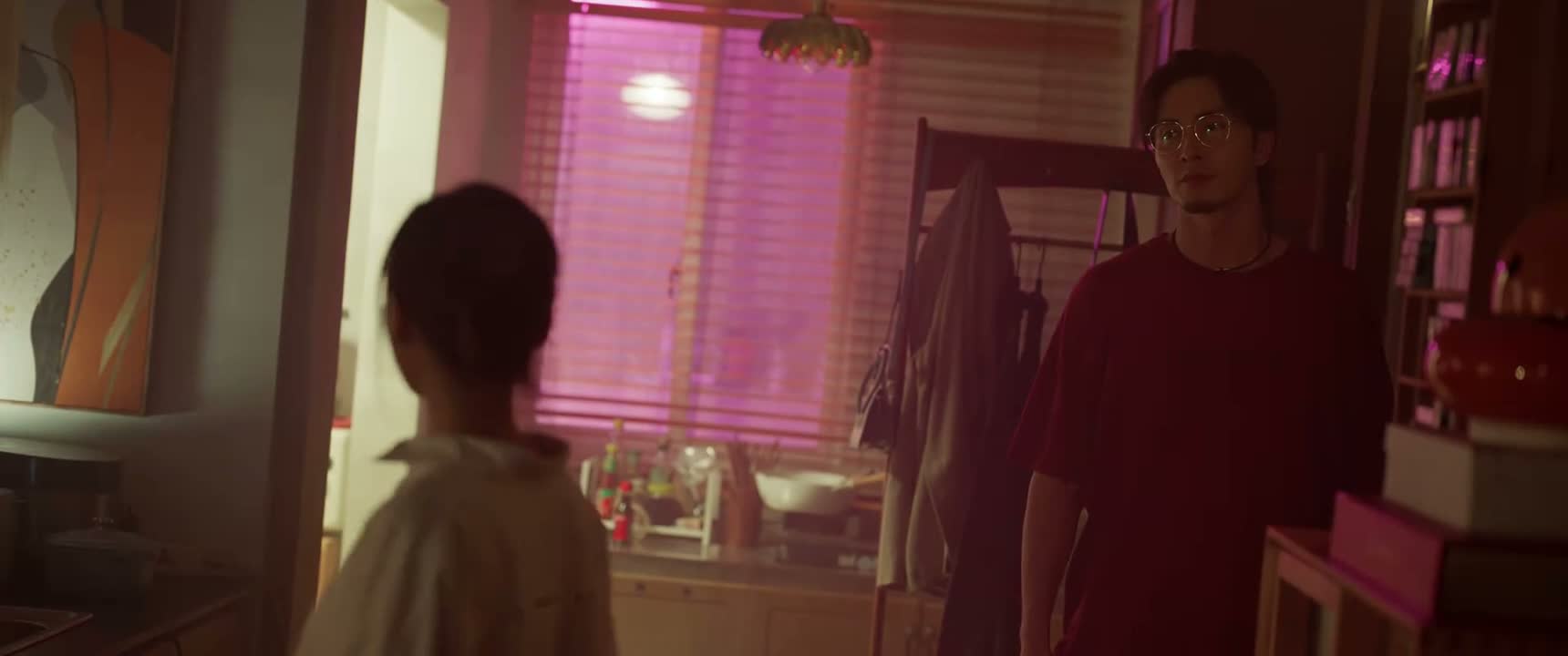
“I didn't expect your home to be so clean.”

“Clean up after yourselves. Don't leave the place a mess. Or I'll be coming after you.”

“It was filthy. Of course it needed washing.”
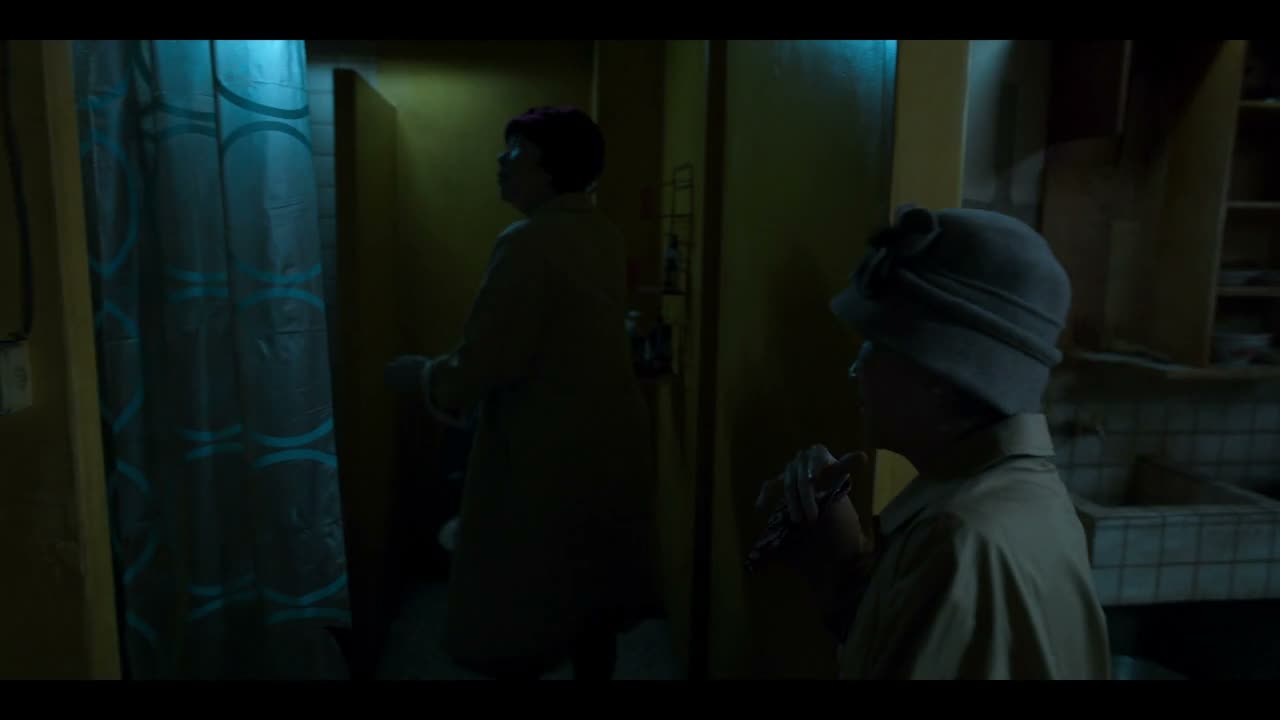
“- Do me a favor. Be a good grandson. - So dirty, and it stinks. - Try to get on their good side. - At least we have each other.”