进门
jìn ménCommon spoken expression used by native Chinese speakers in daily life.
[Scene: 家庭日常]
(7 clips) 00:02
(凌霄在医院呢 怎么去医院了呀 凌霄生病了) ── Previous context
“You just won't come back until the dishes are on the table.”
 00:03
(别玩了) ── Previous context
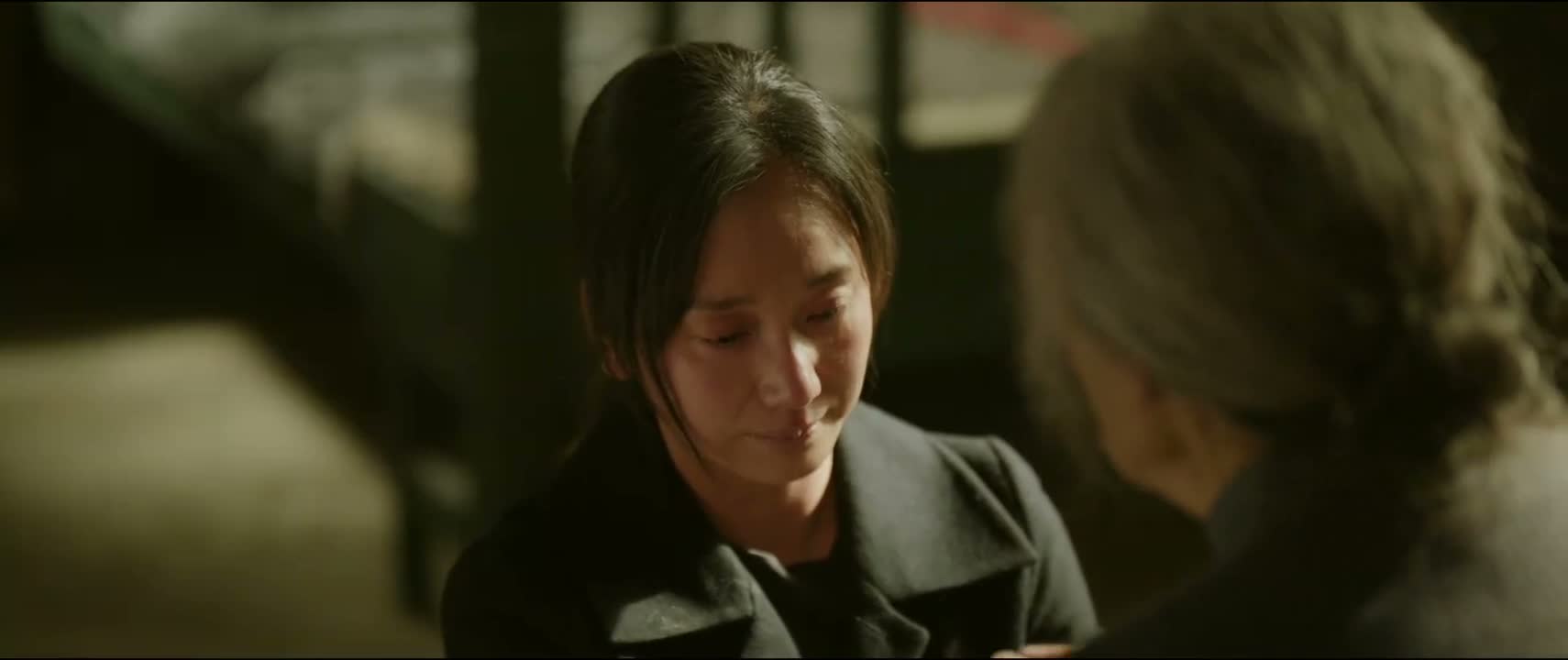
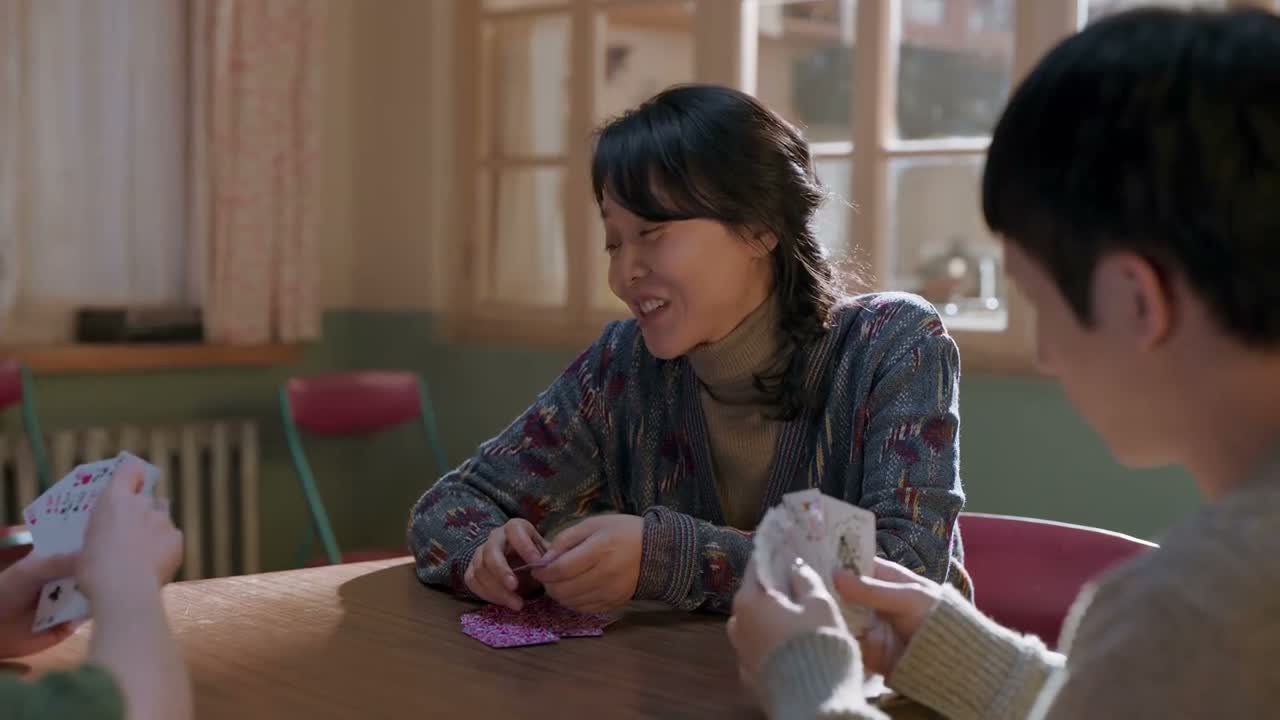
“He's been on his phone since we got here. Why don't you blame him?”
 00:02
 00:02
 00:03
(老头子说了 觉得心里 对不起你们两个人) ── Previous context
“Even though I'm not in the family, but he already treats me like family.”
 00:04
(给我) ── Previous context
“You always walk in right on time. You don't do any work at all.”
 00:03
(老来家里干活) ── Previous context
“Our place is a mess. But she doesn't mind. Upon arriving, she mops and tidies up.”
[Scene: 警匪刑侦]
(5 clips) 00:02
 00:02
 00:03
(这个包) ── Previous context
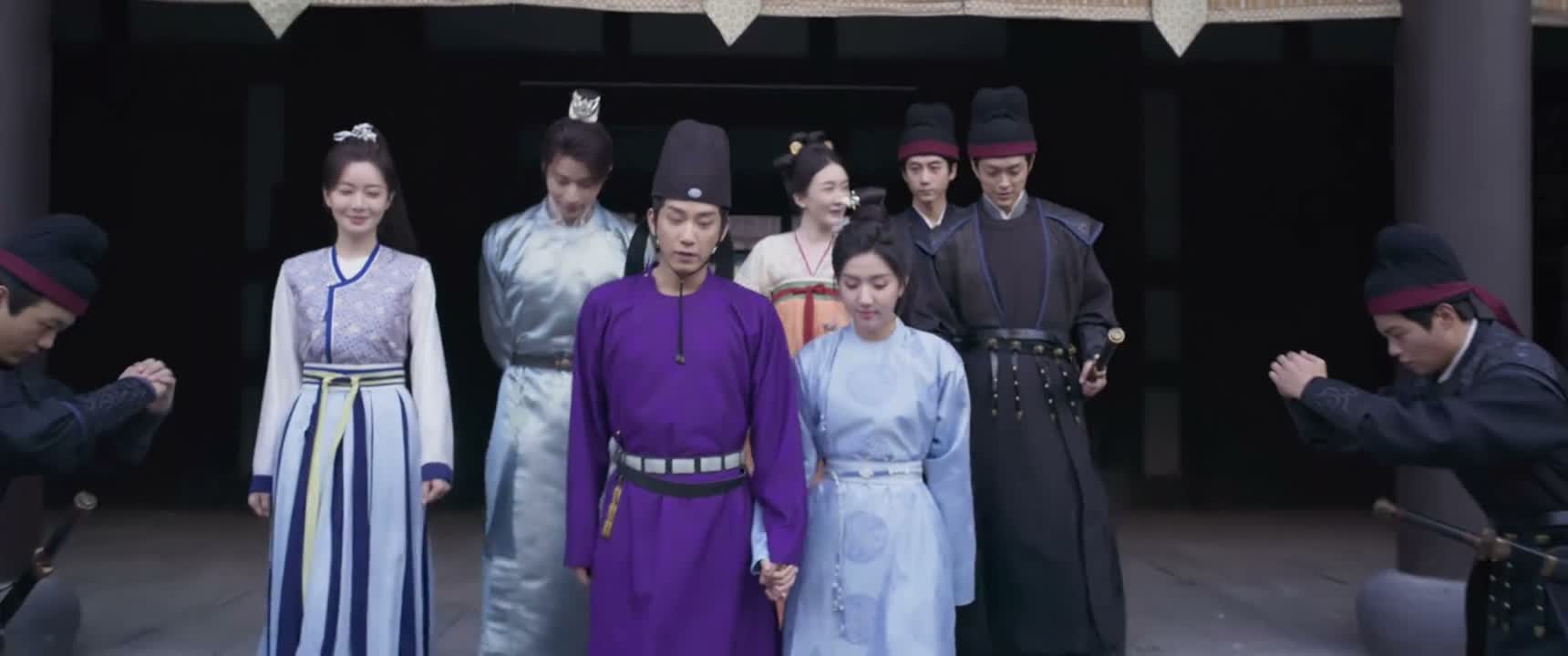
“The bag looked different when she entered and when she left.”
 00:02
 00:03
(你们看) ── Previous context
“Before going in, did he turn his neck left and right and then pat it?”
[Scene: 其他场景]
(3 clips) 00:03
(我也不知道 怎么办 怎么办 怎么办小林老师) ── Previous context
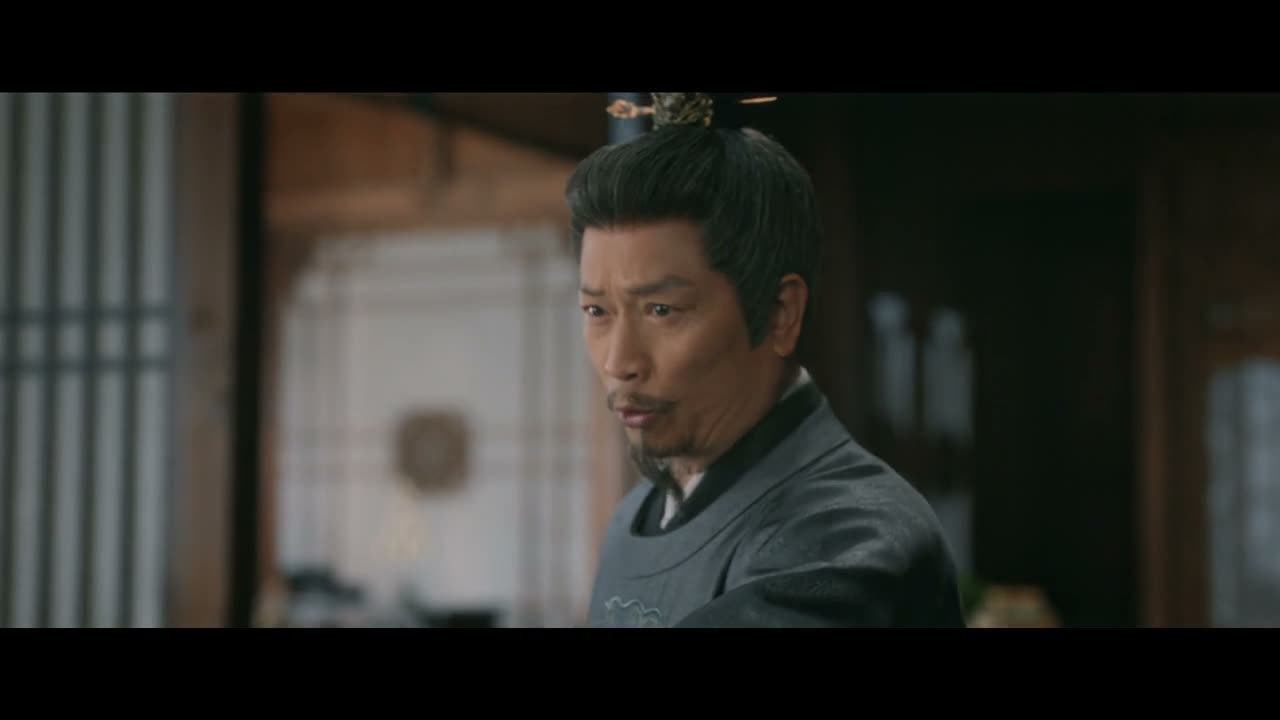
“You'd have better odds betting that all of my wild corner kicks and wayward free kicks would somehow end up in the net!”
 00:02
 00:02
[Scene: 其他场景]
(2 clips)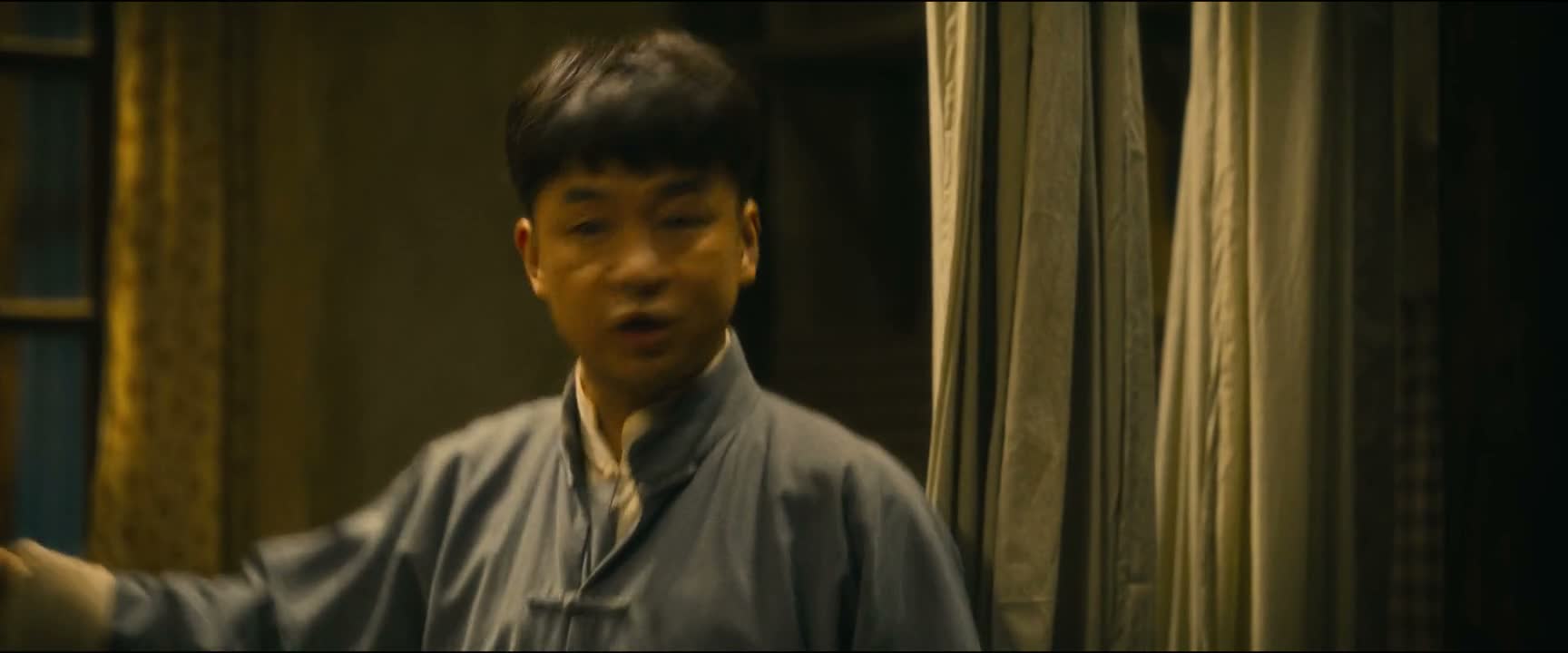 00:03
(他胆敢端着他的壶 跑过来我们这儿立规矩) ── Previous context
“Before he entered, before he came in.”
 00:02
[Scene: 社交聚会]
(2 clips) 00:02
 00:03
[Scene: 商务沟通]
(1 clips) 00:02
[Scene: 职场工作]
(1 clips) 00:02
(舒庭在工作上是个严厉的老师 上传下达 一丝不苟) ── Previous context
“From the moment you walked in, I had a feeling”
📌 不好意思
→Nuance: 委婉制止吸烟的变体表达
📌 好意思
→Nuance: 委婉制止吸烟的变体表达
📌 就是我
→Nuance: 同向近义词根配对: [媳妇 ↔ 儿媳]
📌 不一样
→Nuance: 表达前后差异的泛化替代说法
⚡ 挺干净的
→Contrast: 对家里卫生状况评价截然相反
⚡ 阿姨好
→Contrast: 换鞋与不用换鞋态度相反
⚡ 没人
→Contrast: 极性反义对撞: [出去 ↔ 进来]
⚡ 我不用
→Contrast: 极性反义对撞: [出去 ↔ 进来]
⚡ 没想到
→Contrast: 对家里卫生状况评价截然相反
⚡ 来
→Contrast: 极性反义对撞: [出去 ↔ 进来]