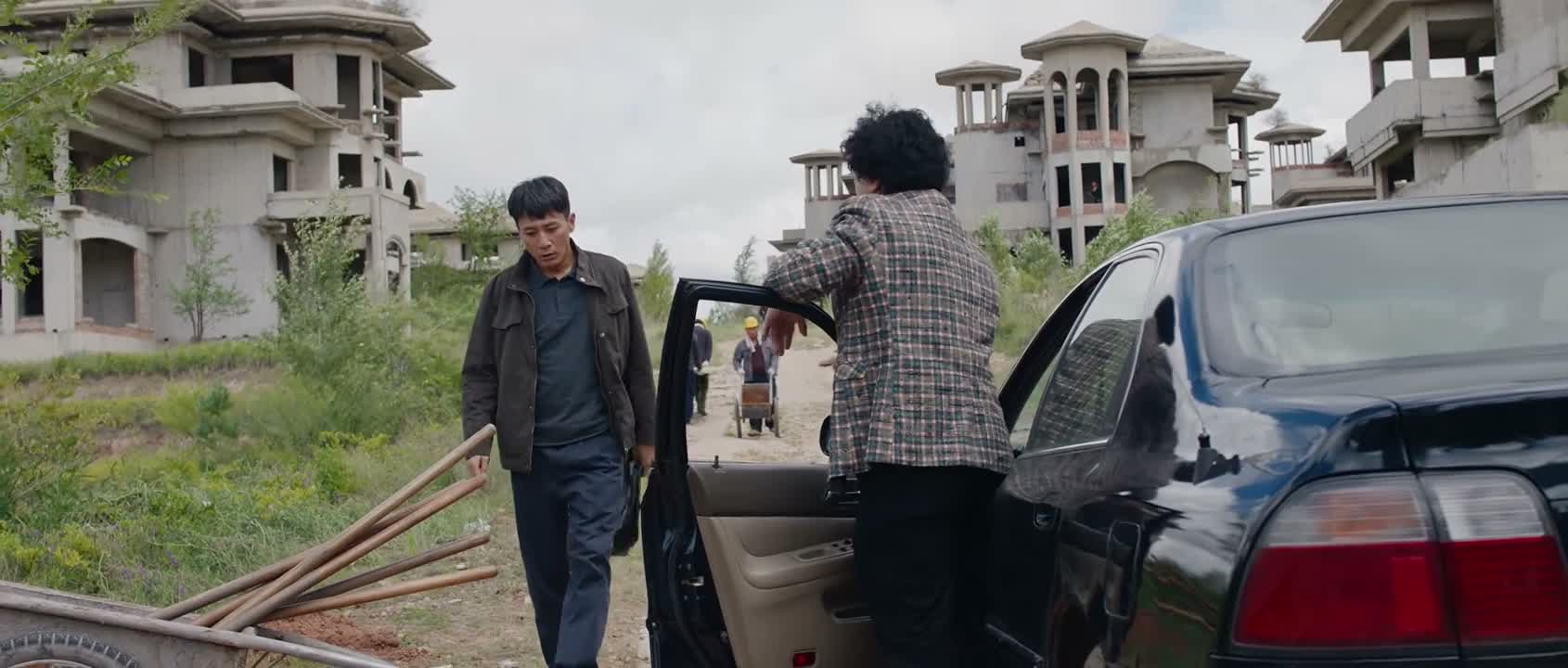
你干什么 大哥 去哪儿啊
“What are you doing? Hey, buddy. Where to?”
THE DIALOGUE REEL
东山走不走
“Going to Dongshan?”
你干什么 大哥 去哪儿啊
“What are you doing? Hey, buddy. Where to?”
东山 东山啊 好好 来来来 不是 多少钱 十五
“Dongshan. Dongshan, huh? Okay, okay, get in. Wait. How much? Fifteen.”
Direct spoken expression in this communicative setting.
Calling an unfamiliar male 'dage' (big brother) establishes instant warmth and mutual trust in daily service and street interactions.
LEARNING CHUNKS & PARTICLES
elder brother; mister; mate
A polite, friendly social kinship term used to address adult men of roughly similar or slightly older age.
Where are you going?; Where to?
The standard informal question used by drivers, ticket sellers, or acquaintances asking for a destination.
Softens the inquiry, making the question feel approachable and natural rather than abrupt.
VOCABULARY & EXPRESSIONS
Parallel Spoken Cinema Scenes (语义近邻切片)

“Are you crazy?”

“What are you doing? Get out of the way.”

“What are you doing? Why are you shouting?”
“How dangerous! What are you doing?”

“What are you doing? You shouldn't go to the second floor.”

“What are you doing? That's too much!”