是个只要能坐着不站着
“who sits and lies down”
THE DIALOGUE REEL
昭昭平日里
“Zhao is usually someone”
是 个 只要能坐着不站着
“who sits and lies down”
能躺着不坐着的人
“whenever she can.”
Direct spoken expression in this communicative setting.
The proverb 'sit rather than stand, lie down rather than sit' (能坐着绝不站着,能躺着绝不坐着) is a widespread, humorous Chinese trope used affectionately among close acquaintances.
LEARNING CHUNKS & PARTICLES
sitting whenever possible rather than standing
Part of a very common colloquial humorous idiom describing quintessential couch-potato or lazy behavior.
usually; on ordinary days
A spoken colloquial time marker used when describing general habits or typical behavioral patterns.
VOCABULARY & EXPRESSIONS
Parallel Spoken Cinema Scenes (语义近邻切片)
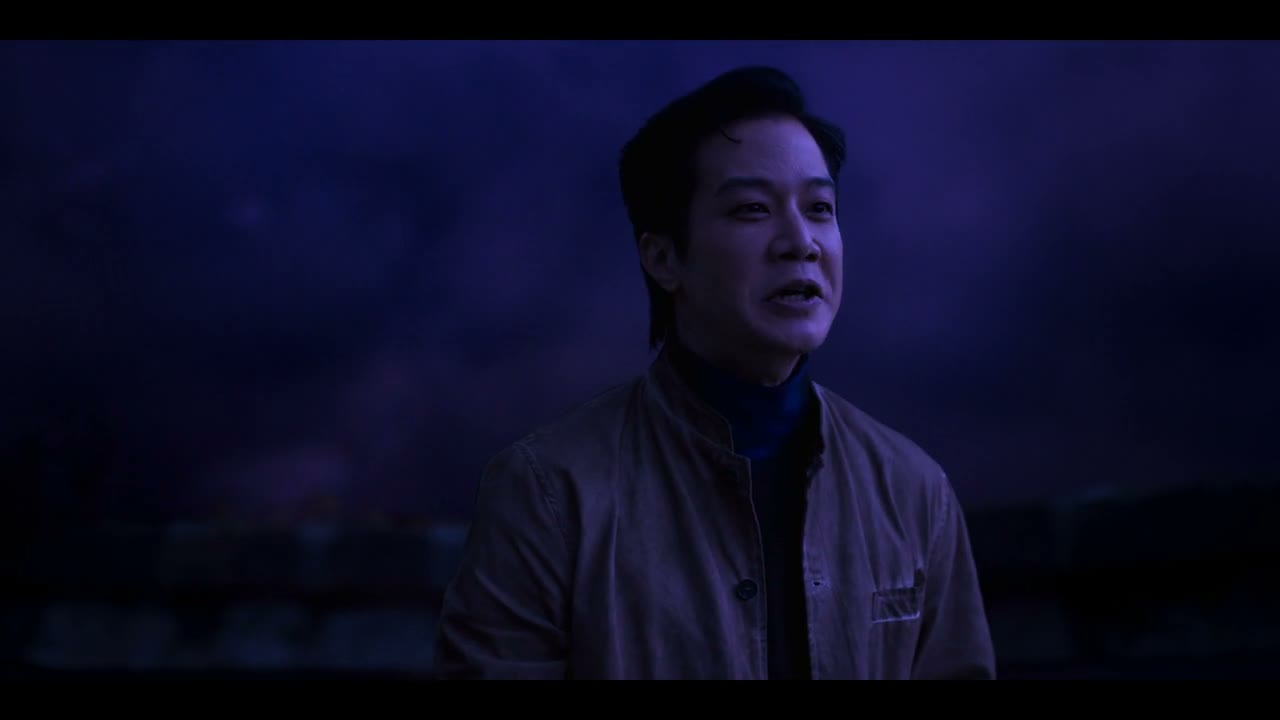
“and yet you're still standing.”

“You can't keep standing.”

“Why are you still standing? Take a seat.”
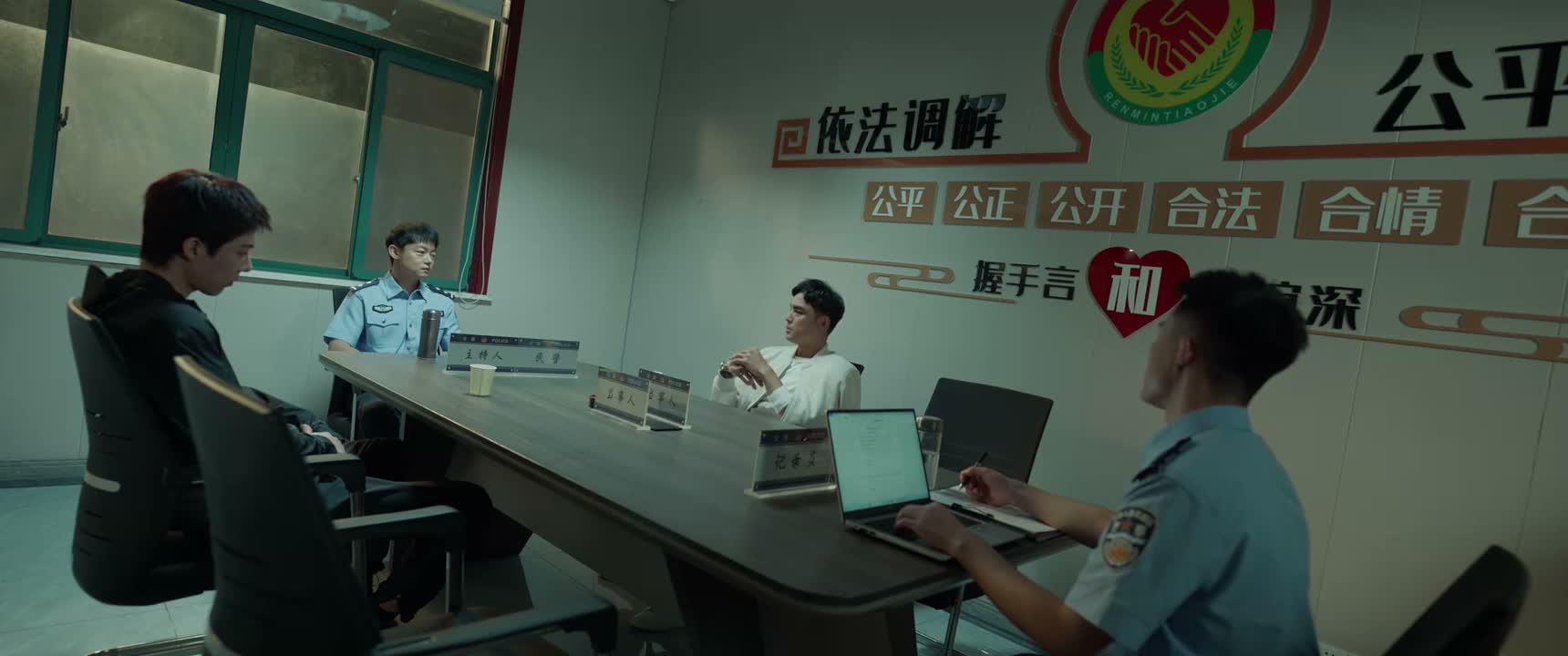
“I couldn't just stand there and take it, right?”

“It's okay. You can sit here for a bit if you like.”

“Can you really sit up?”