我干吗自己要 破坏自己的刹车啊 为了撞死吴江
“Why would I sabotage my own brakes? To kill Wu Jiang.”
THE DIALOGUE REEL
“That was routine maintenance. You can check the work orders.”
我 干吗 自己 要 破坏 自己的 刹车啊 为了撞死吴江
“Why would I sabotage my own brakes? To kill Wu Jiang.”
“To stage a car accident and silence him.”
“Your theory is completely ridiculous—I wouldn't risk my own life just to kill him.”
In Chinese confrontational discourse, invoking personal safety risk (e.g., damaging one's own brakes) is a common pragmatic tactic to prove innocence via common sense.
LEARNING CHUNKS & PARTICLES
why; what for
A colloquial alternative to '为什么' used to express annoyance, skepticism, or rhetorical challenge.
in order to; for the sake of
Used to introduce a purpose or objective, here framed rhetorically to expose an irrational premise.
Heightens emotional intensity and marks the rhetorical nature of the question.
VOCABULARY & EXPRESSIONS
Parallel Spoken Cinema Scenes (语义近邻切片)

“Why torture yourself like this?”

“Why are you scaring yourself?”
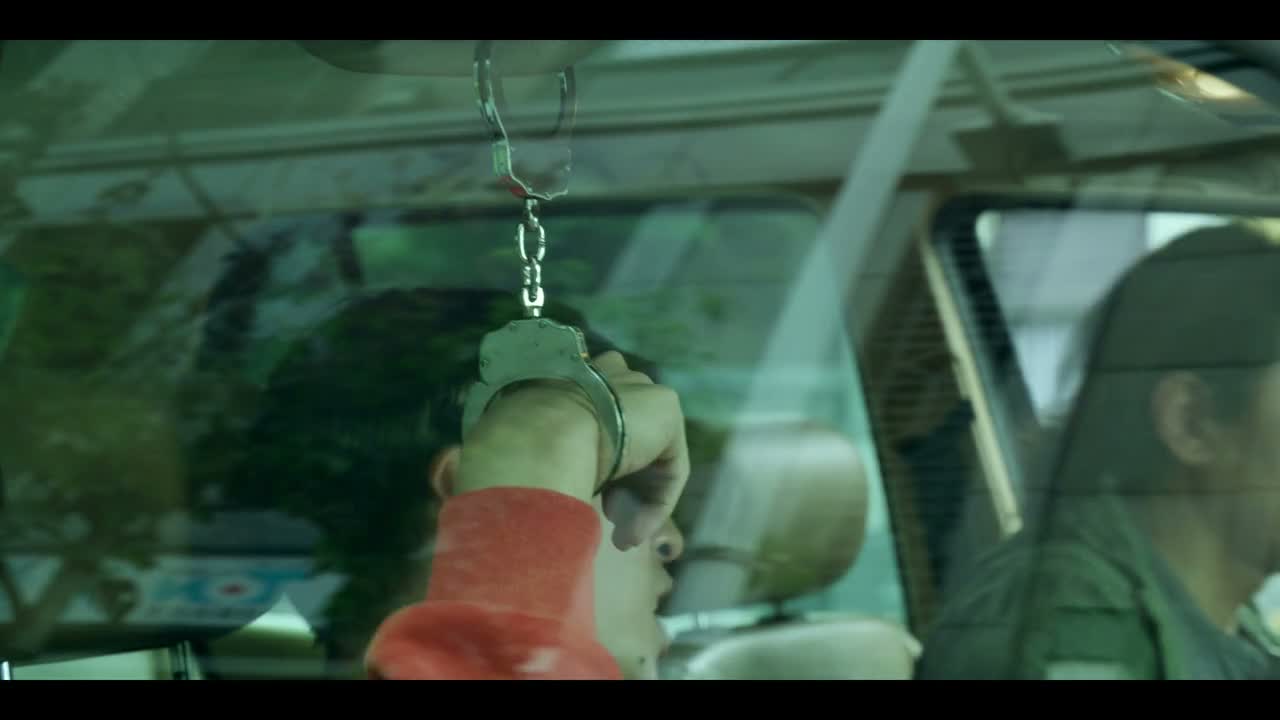
“[groans] What the fuck, bro? You trying to kill me? Huh?”

“I'll drink up. You can drink as you please.”

“Why did you get on? Your own bike?”

“he ruined his reputation”