MC
MandarinClips Cinema Corpus
《Dream of Golden Years》 S1·E19 (31:56) HSK 7
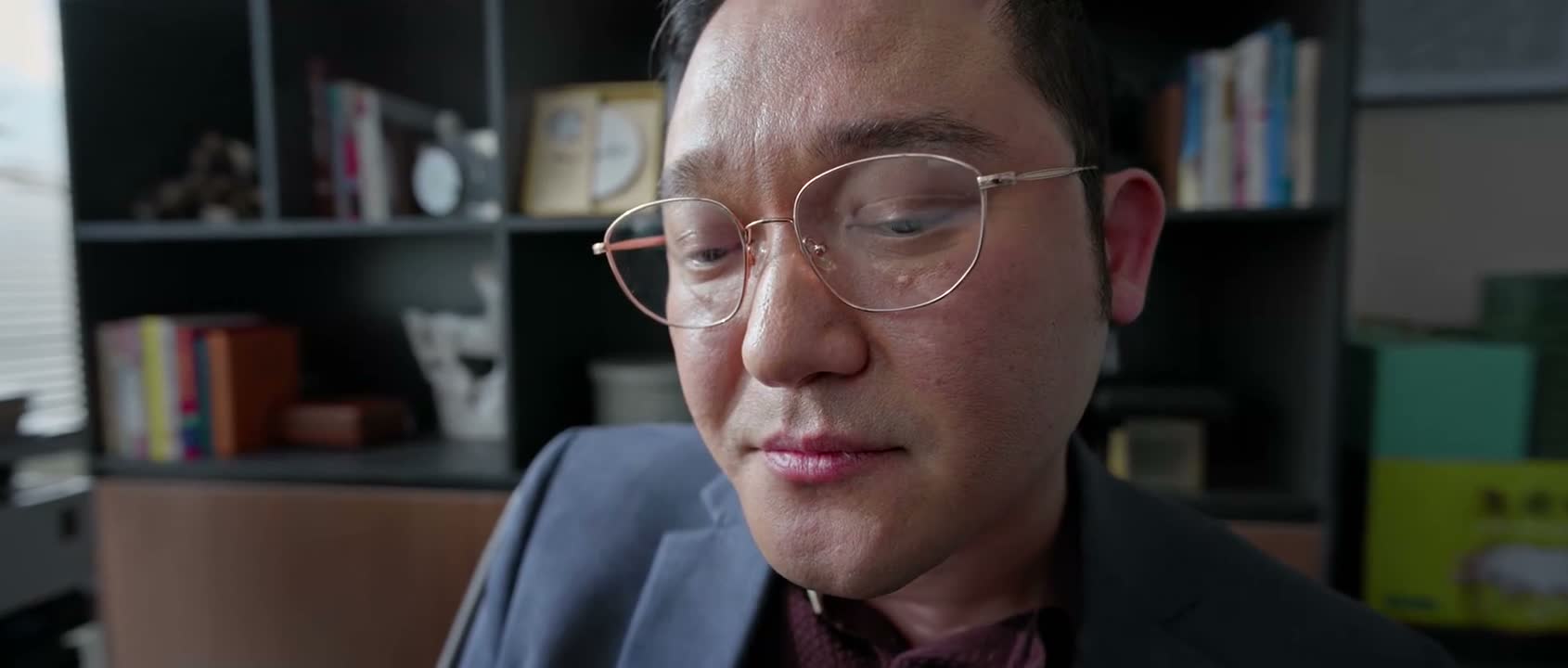
shì bú shì zhàng zhe wǒ xǐ huān nǐ jué de wǒ hǎo qī fù shì ba

是不是仗着我喜欢你 觉得我好欺负 是吧

“Are you taking advantage of the fact that I like you to bully me?”

《Dream of Golden Years》 S1·E19
TIMECODE: 31:56 · 1080P MASTER AUDIO

THE DIALOGUE REEL

1+1+1 SPOKEN CONTINUITY
[-1] PREVIOUS TURN què duì wǒ tiāo tī

却对我挑剔

“but picky with me.”

shì bú shì zhàng zhe wǒ xǐ huān nǐ jué de wǒ hǎo qī fù shì ba CURRENT FOCUS

是不是 仗着 我喜欢你 觉得 我 好欺负 是吧

“Are you taking advantage of the fact that I like you to bully me?”

[+1] FOLLOW-UP TURN shuí qī fù shuí a

谁欺负谁啊

“Who's bullying whom here?”

Subtitles synced to millisecond timecode Browse Show Clips →
Scene: Social & Dating
Function: PLAYFUL REPROACH
Tone: FLIRTATIOUS
Emotion: AFFECTION
WHAT THEY REALLY MEAN (PRAGMATIC SUBTEXT)
“You know you have me wrapped around your finger, and you're totally taking advantage of it!”
💡 Cultural Insight: Flirtatious Feigned Anger (打情骂俏)

In Chinese romantic relationships, teasing accusations like claiming the other is 'bullying' them is a conventional way to show vulnerability and elicit sweet reassurance.

INTENT TAGS: #flirting #feigned_complaint #seeking_reassurance #teasing
🧩

LEARNING CHUNKS & PARTICLES

2 CHUNKS · 1 PARTICLES
仗着 SPOKEN CHUNK

to rely on; to take advantage of (a privilege or circumstance)

Often used when someone acts bold or demanding because they know they have an advantage or someone's love.

好欺负 SPOKEN CHUNK

easy to bully; a pushover

Used colloquially to describe someone easily pushed around or mistreated.

Modal Particle「吧」 (ba) CHANGE OF STATE

Placed at the end of a rhetorical confirmation question to seek agreement or add a playful nudge.
🏮

VOCABULARY & EXPRESSIONS

6 EXPR · 2 GRAMMAR
CROSS-CINEMA CORPUS BOARD · PARALLEL SCENES

Parallel Spoken Cinema Scenes (语义近邻切片)

EXPLORE BY SEMANTIC SIMILARITY
《Dream of Golden Years》 S1·E19 (31:56) · Authentic Cinema Dialogue Corpus