这不也是你之前喜欢的方式吗
“Isn't this the way you liked it before?”
THE DIALOGUE REEL
张启山一定会有下一步动作
“Zhang Qishan would definitely make the next move.”
这不也是 你之前 喜欢的方式 吗
“Isn't this the way you liked it before?”
“Why are you complaining now when this is exactly how you preferred to do things before?”
Chinese speakers often employ rhetorical questions starting with negative words to firmly counter someone without issuing a flat, blunt declarative accusation.
LEARNING CHUNKS & PARTICLES
isn't this also
A rhetorical pattern used to point out obvious facts or call out inconsistencies in an interlocutor's logic.
preferred way / favored method
Used to describe an individual's habitual or preferred way of handling situations.
Forms a rhetorical question that expects agreement while conveying challenge or skepticism.
VOCABULARY & EXPRESSIONS
Parallel Spoken Cinema Scenes (语义近邻切片)

“Well, I've always preferred someone”

“don't like each other as much now.”
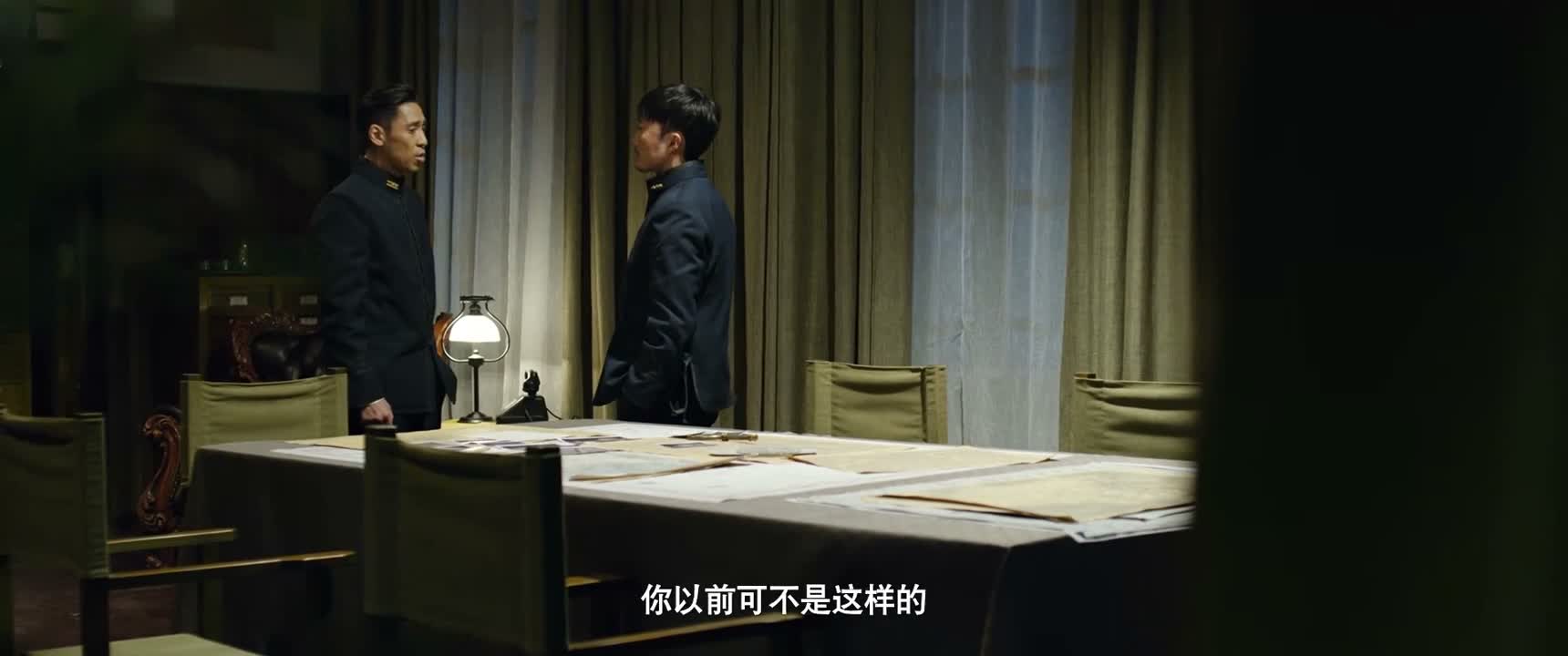
“You weren't like this before.”

“What, you don't like it anymore?”

“Aren't you in love with Ziqiu?”

“I didn't before, did I? Well,”