我没有花钱的习惯哪
“I seldom spend money.”
THE DIALOGUE REEL
最保险哪
“it would be the safest.”
我没有 花钱 的习惯 哪
“I seldom spend money.”
我守得住的
“I can keep it safe.”
“You don't have to worry about me squandering anything; I'm completely frugal.”
Not having a spending habit is traditionally viewed in Chinese culture as a prime virtue of fiscal responsibility and domestic reliability.
LEARNING CHUNKS & PARTICLES
habit of spending money
A common noun phrase used when discussing personal financial tendencies and lifestyle discipline.
Softens the assertion while adding emotional emphasis to persuade the interlocutor of the speaker's point.
VOCABULARY & EXPRESSIONS
Parallel Spoken Cinema Scenes (语义近邻切片)

“I don't have any money on me now.”

“so they don't have much money.”

“You know I don't have money.”

“and cost money, right?”
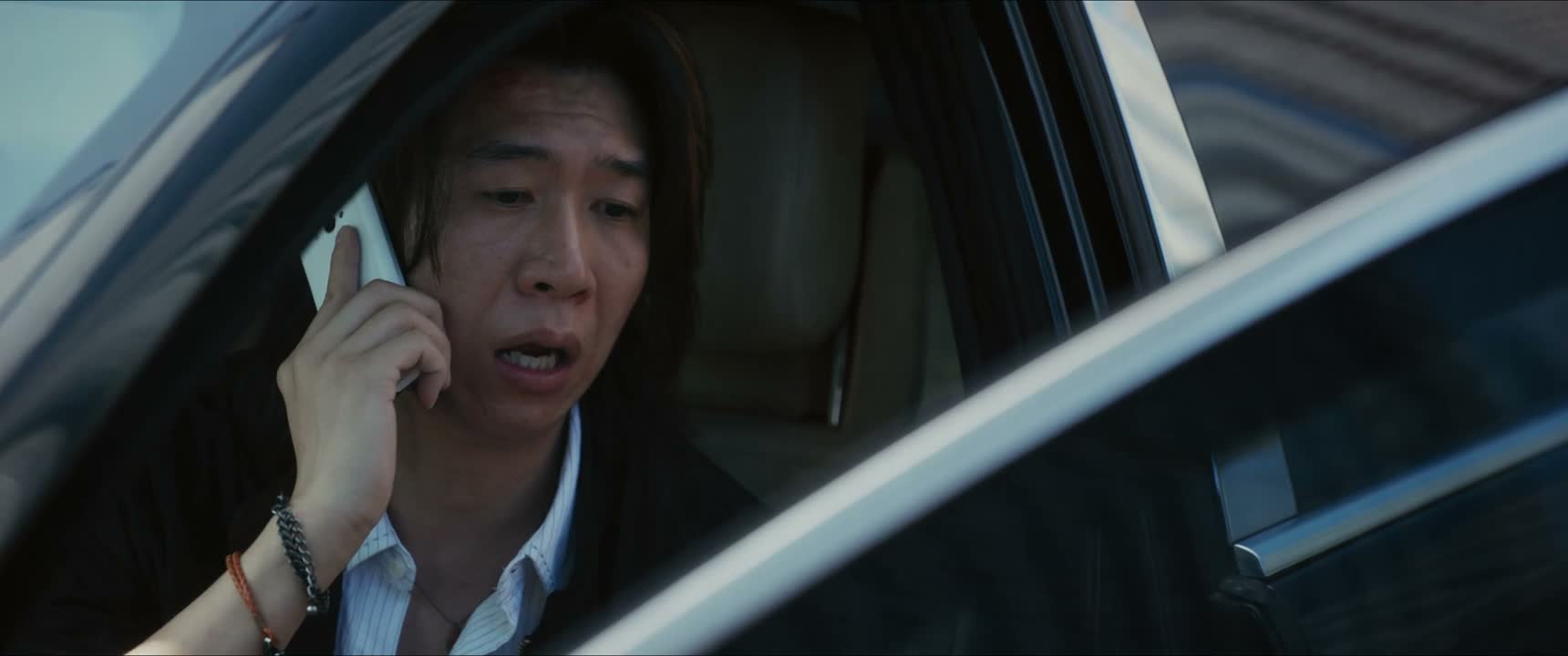
“I don’t have that much money.”

“let alone spend it.”