你说这扬帆起航 这大风大浪就来了 是吧
“You're going to set sail, and then the storm hits. Right?”
THE DIALOGUE REEL
“Fan. - Good for you. - Very good. I'm serious.”
你说这 扬帆起航 这 大风大浪 就 来了 是吧
“You're going to set sail, and then the storm hits. Right?”
是是是 是
“Yes, true.”
“Just as we got started, trouble showed up right on cue, didn't it?”
Chinese speakers often soften unexpected complications or sudden hardships by framing them with classic poetic metaphors to build camaraderie rather than venting raw frustration.
LEARNING CHUNKS & PARTICLES
to set sail; to embark on a new journey or venture
A common four-character idiom frequently used literally for boating or figuratively for starting a business, project, or life milestone.
big winds and heavy waves; major challenges and trials
Commonly used figuratively to describe serious hardships, turbulence, or significant obstacles in life or business.
Softens the rhetorical question and invites confirmation or consensus from the listener.
VOCABULARY & EXPRESSIONS
Parallel Spoken Cinema Scenes (语义近邻切片)

“The waves are getting rougher ahead.”

“you and I are about to stir up an even greater storm.”

“Like the small tide that stirs great waves,”
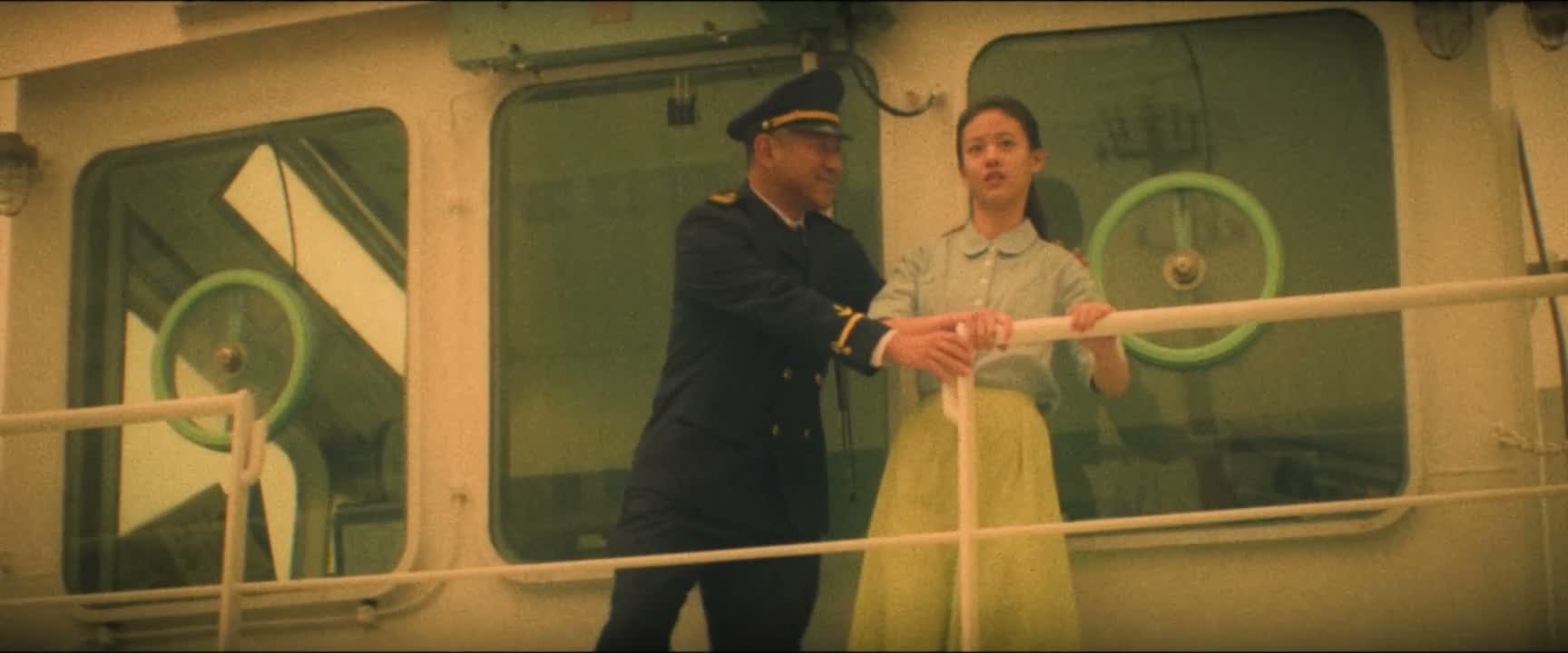
“and even the biggest storm can be conquered.”

“The waves were big this morning, and he got seasick.”