谭家湾东边的海边呢
“on the shore east of Tanjia Bay?”
THE DIALOGUE REEL
谭家湾 东边的海边呢
“on the shore east of Tanjia Bay?”
“He could have been killed”
“Why on earth would this cap turn up on that specific beach?”
In natural spoken Chinese, speakers often break a compound question across pauses or turns, using '呢' to mark the end of the location phrase.
LEARNING CHUNKS & PARTICLES
seashore; seaside; beach
A very common compound noun referring to the beach or coastal area.
Marks a reflective, lingering question, softening the inquiry while prompting a logical explanation.
VOCABULARY & EXPRESSIONS
Parallel Spoken Cinema Scenes (语义近邻切片)
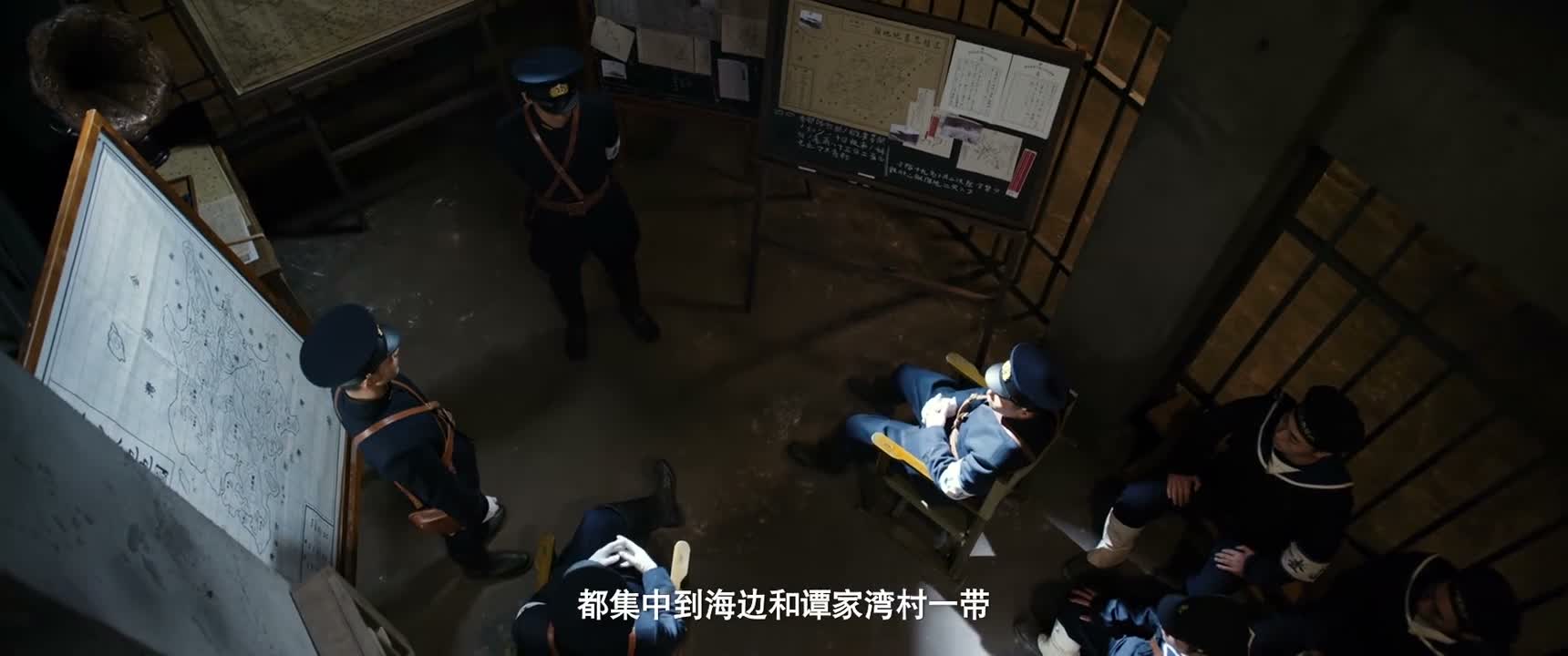
“...on the seaside and the Tanjiawan Village area.”

“This afternoon at Tanjiawan,”

“Better consider the one in Haicang Bay.”

“he was indeed in Jinwan City.”

“It's true. Binhai Road is a blessed place for us.”
“far and wide,”