我走了 你就洗干净脖子 等着被他俩宰吧
“If I leave, just wash your neck and wait for them to slaughter you.”
THE DIALOGUE REEL
你走吧
“You can go.”
我走了 你就 洗干净脖子 等着 被他俩宰吧
“If I leave, just wash your neck and wait for them to slaughter you.”
“Even if I will be slaughtered, that's my life.”
“You will deeply regret pushing me away when those two destroy you.”
Phrases like 'wash your neck clean' (洗干净脖子) evoke historical execution grounds, adding visceral weight and drama to interpersonal confrontations.
LEARNING CHUNKS & PARTICLES
wash your neck clean (prepare for execution)
An intense idiom derived from ancient beheadings, used figuratively to tell an opponent to prepare for their inevitable defeat or downfall.
wait to be slaughtered / taken advantage of by...
Colloquial and harsh; can mean literally being killed in crime contexts or severely swindled and exploited in business/life.
Conveys a dismissive, spiteful resignation, essentially saying 'go ahead and suffer your fate'.
VOCABULARY & EXPRESSIONS
Parallel Spoken Cinema Scenes (语义近邻切片)

“I'm leaving. Take care of yourself.”

“I'm leaving. Hurry home. Don't wander around outside.”
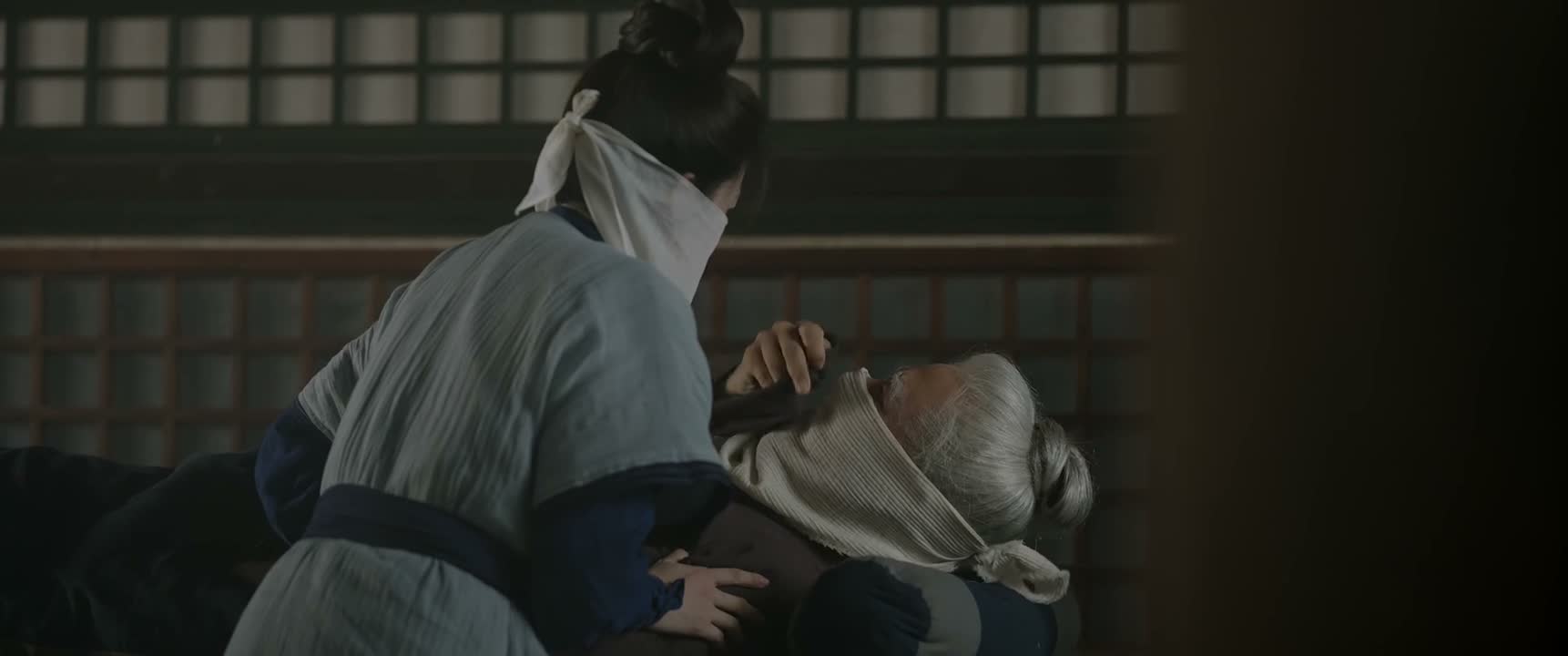
“Go! Get out of here!”

“♪ There's no need to ask questions in the maze ♪ I'm leaving. Don't follow me.”

“After I leave, take good care of yourself.”

“Has she left? No.”