既然她都往前看了
“Since she has moved on,”
THE DIALOGUE REEL
但现在不是了
“But she isn't anymore.”
既然 她 都 往前看 了
“Since she has moved on,”
你们为什么还停留在幻觉里呢
“why are you two still stuck in an illusion?”
“She has moved on, so wake up and stop wasting your time living in the past.”
Chinese interpersonal communication often values pragmatic realism, urging friends to snap out of emotional illusions rather than indulging lingering sentimentalism.
LEARNING CHUNKS & PARTICLES
to look forward; to move on with one's life
Commonly used in spoken Chinese to encourage someone to let go of the past and focus on the future.
since; given that
Used at the beginning of a clause to introduce a known premise or established fact before presenting a conclusion or rhetorical question.
Marks a change of state, highlighting that she has already transitioned into moving forward.
VOCABULARY & EXPRESSIONS
Parallel Spoken Cinema Scenes (语义近邻切片)

“We all have to look forward.”

“she… she'll never get to read them.”
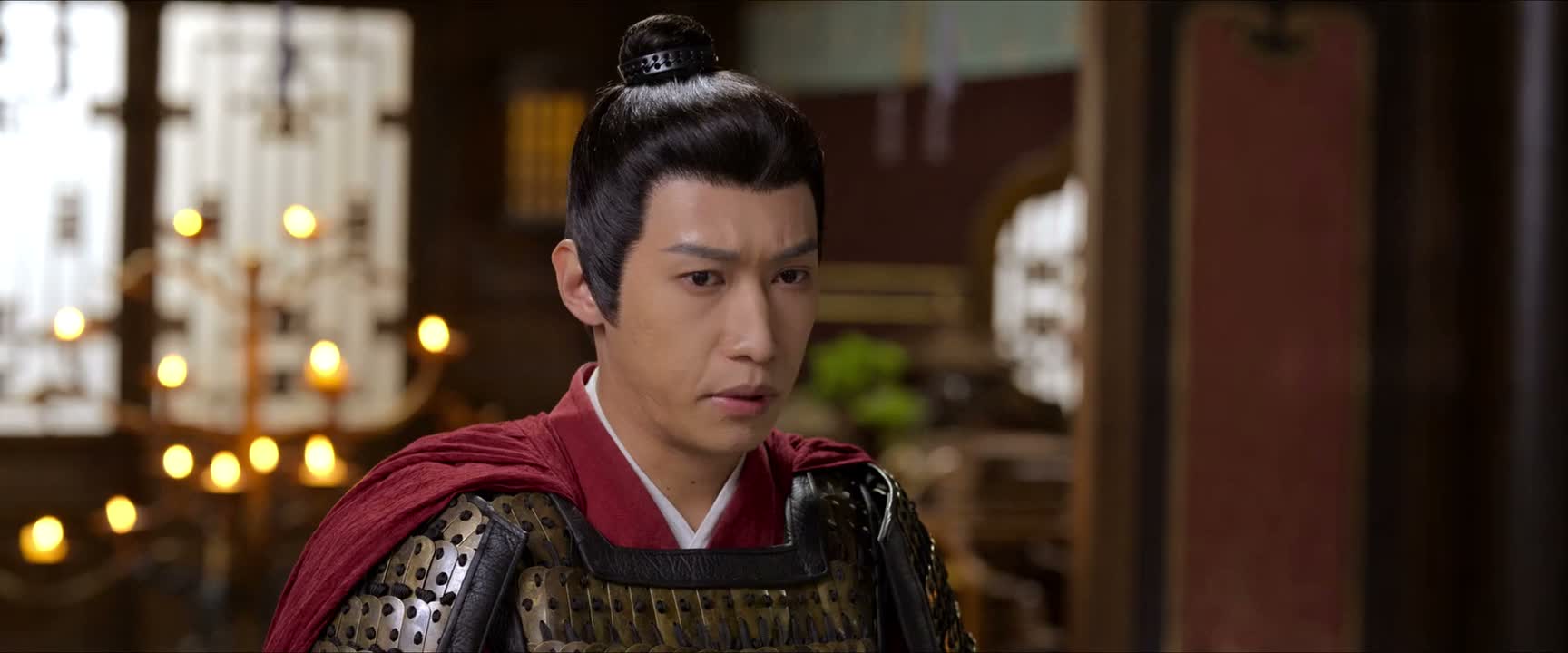
“But it seems that she has left.”

“We need to move on. Look,”

“It's time to move on. What can I see as I move on?”

“You said people should look forward”