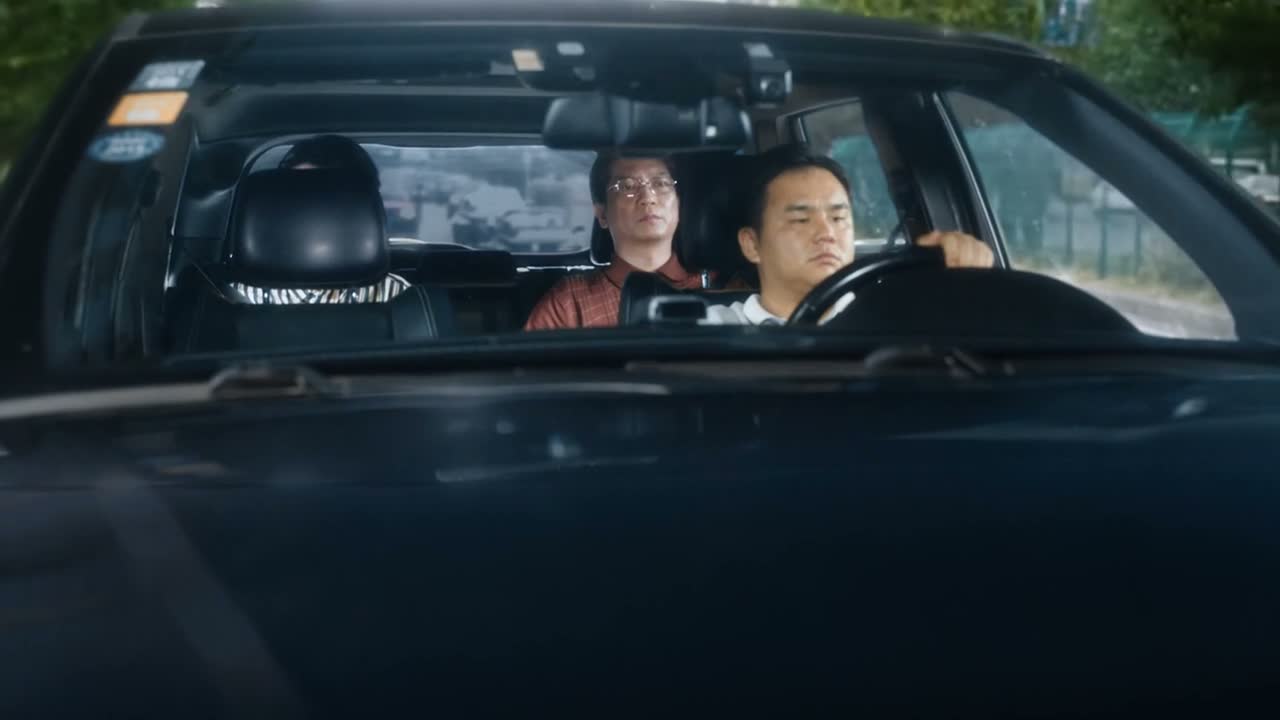
你赶紧先吃饭 好嘞 我待会儿还有好多事呢
“Go ahead and eat. Okay. I have much to do later.”
THE DIALOGUE REEL
饿了吧
“Mr. Du, you must be hungry?”
你赶紧 先吃饭 好嘞 我 待会儿 还有 好多事 呢
“Go ahead and eat. Okay. I have much to do later.”
吃饭 好好好 郑书记 你先吃啊
“Eat. Okay. Mr. Zheng, you eat first.”
“Eat up quickly; I'm on a tight schedule and have tons of other work lined up.”
In the Chinese public sector and corporate workplace, addressing superiors by their professional titles (such as Party Secretary or Director) is standard etiquette that reflects institutional hierarchy and respect.
LEARNING CHUNKS & PARTICLES
hurry up and do something first
Used in spoken Chinese to urge or advise someone to prioritize an action, conveying either thoughtfulness or a sense of urgency.
sure thing; alright; on it
A colloquial northern response expressing cheerful, brisk, and willing compliance with a request or suggestion.
in a little while; later
A very high-frequency spoken time expression used to refer to plans or events taking place shortly.
Appended to an acknowledgment to add a cheerful, brisk, and compliant colloquial tone.
Placed at the end of a statement to assert a fact and draw the listener's attention to the speaker's current situation.
VOCABULARY & EXPRESSIONS
Parallel Spoken Cinema Scenes (语义近邻切片)

“Hurry up. Eat and sleep in the car.”

“I need to enjoy the noodles. I have to go to school later.”

“I'll finish it in a minute so it won't be an eyesore.”

“I'll bring you some food later. I want ribs with beans on rice.”

“Let's eat. OK.”

“Eat your food. Hurry. Not today. There's no time. I have to go now.”

“hurry up and come eat.”

“Hurry up! Let's have lunch.”
“Mr. Guo, have something to eat first.”