是啊 还好当初给了他们这次机会
“Yeah. It's a good thing that they were given this chance.”
THE DIALOGUE REEL
祁亮爸 你当初还说不来呢 你看孩子们多棒啊
“[Victory for Hongjing] Qi Liang's dad, you said you weren't coming. Look at how great the kids are.”
是啊 还好 当初 给 了他们这次 机会
“Yeah. It's a good thing that they were given this chance.”
“Later, just cheer for them with all your might.”
“Indeed, I'm so glad we let them try—they really proved me wrong and made us proud.”
Parents in traditional Chinese families tend to be strict or conservative with their children. When children prove their capability through actions, parents often express recognition and pride indirectly through reflective remarks like 'xingkui' or 'haihao' ('fortunately' / 'luckily').
LEARNING CHUNKS & PARTICLES
fortunately; luckily
A high-frequency colloquial adverb commonly used when reflecting on a potential crisis or less-than-ideal decision to express relief.
to give someone a chance; to allow someone to try
A common verb-object collocation frequently used when elders show leniency toward younger generations or superiors delegate opportunities to subordinates.
Used at the beginning of a sentence to express agreement, echo the interlocutor's point, soften the tone, and build rapport.
VOCABULARY & EXPRESSIONS
Parallel Spoken Cinema Scenes (语义近邻切片)
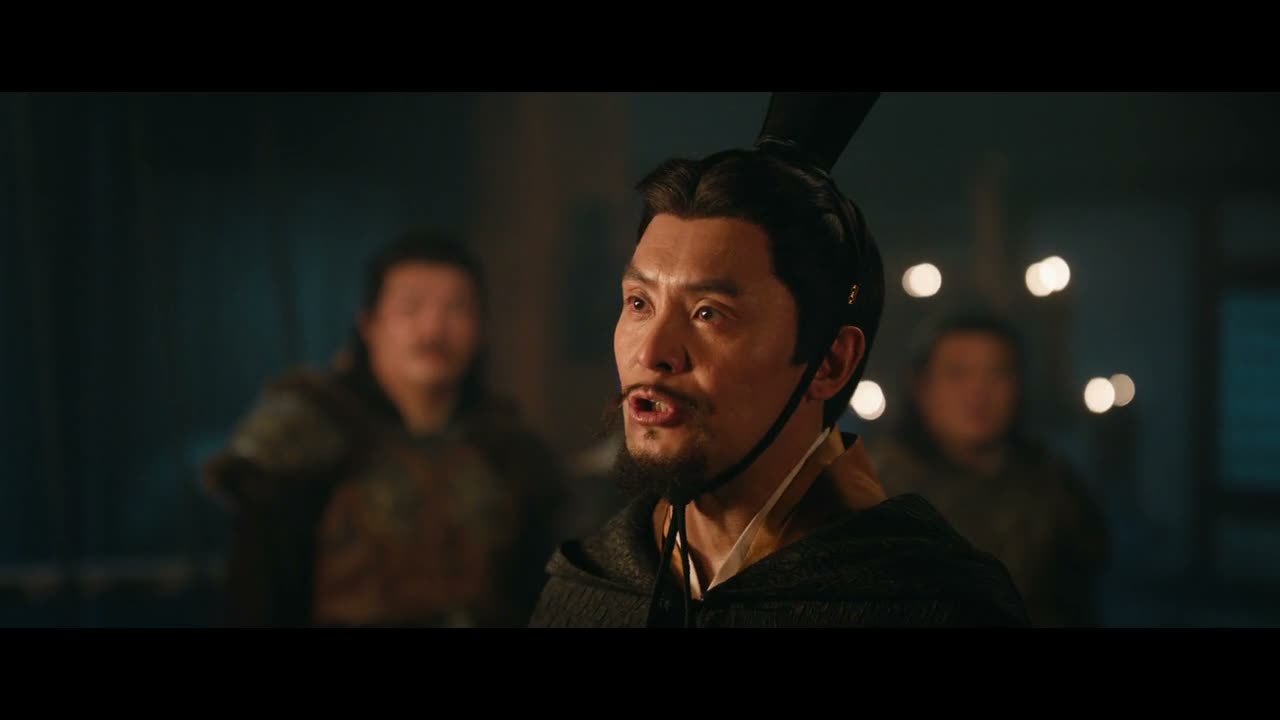
“This is exactly our moment.”

“and now he's forcing us to give him a chance.”

“Fine. I'll give you a chance.”

“I think we should give him a chance. If we give him a chance,”

“Give me another chance, okay?”
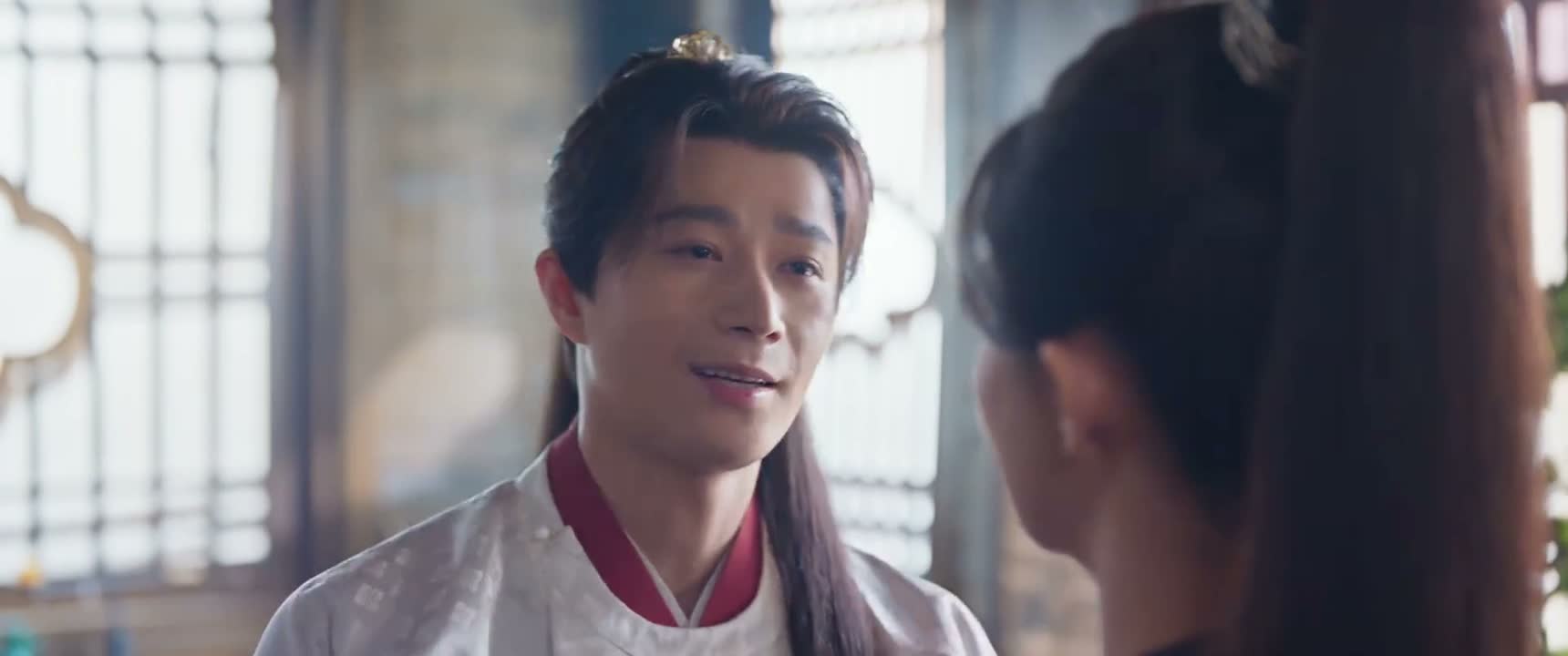
“Can you give me another chance?”