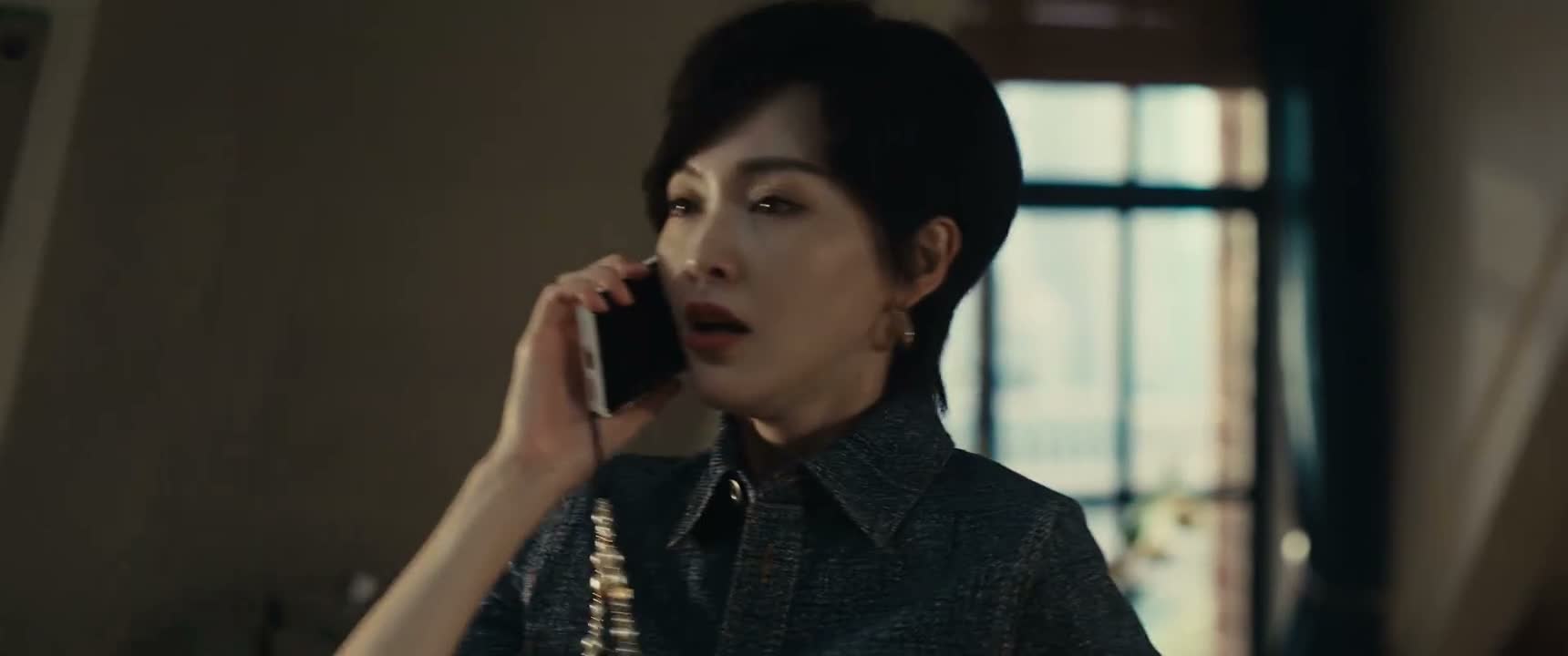
那我就在客厅 给她简单说一下行吗
“Can I just go over them with her in the living room?”
THE DIALOGUE REEL
我 我想听
“I-I want to know.”
那我就 在 客厅 给 她简单 说一下 行吗
“Can I just go over them with her in the living room?”
老师坐
“Please sit.”
“How about I just give her a brief run-through here in the living room, if that works for you?”
In the context of private tutoring or home visits, the living room is regarded as a public or semi-public area within the home. Proposing to conduct the lesson in the living room demonstrates respect for the family's privacy and maintains proper professional boundaries.
LEARNING CHUNKS & PARTICLES
briefly explain / give a quick overview
A high-frequency spoken phrase commonly used to ease the listener's burden or indicate that it will not take up much time.
is that okay? / would that work?
Placed at the end of a sentence to seek the listener's opinion or request permission in a polite, gentle tone.
Sentence-final question particle used to ask for agreement or permission.
VOCABULARY & EXPRESSIONS
Parallel Spoken Cinema Scenes (语义近邻切片)

“if I explain things to her.”
“Whatever she wants to say, just let her say it.”

“I was wondering if I could send her to your place”

“Do you really think this will work?”

“I'll explain everything to her at the proper time.”

“How about I go explain things to her?”