他要是不乐意 跟我讲就好了 我走啊
“If he doesn't want it, he can just tell me. I'll leave.”
THE DIALOGUE REEL
非得跟他住一起
“and I have to stay with him.”
他 要是 不乐意 跟我讲 就好了 我走 啊
“If he doesn't want it, he can just tell me. I'll leave.”
“If he doesn't want it, you can just walk away with your toothbrush and toothpaste,”
“I'm not begging to stay here; if I'm not wanted, I'll walk away with my head held high.”
In Chinese relationships, guests or cohabitants often strongly emphasize that they will not overstay their welcome, maintaining dignity by claiming readiness to leave at a moment's notice.
LEARNING CHUNKS & PARTICLES
unwilling; displeased
Spoken northern-flavored term widely used to indicate someone does not approve or want something.
all one needs to do is...; it would suffice to...
Used to suggest a simple solution or condition that would immediately resolve the situation.
Adds emotional emphasis and rhetorical assertiveness to signal readiness to act.
VOCABULARY & EXPRESSIONS
Parallel Spoken Cinema Scenes (语义近邻切片)

“If he doesn't want it, you can just walk away with your toothbrush and toothpaste,”
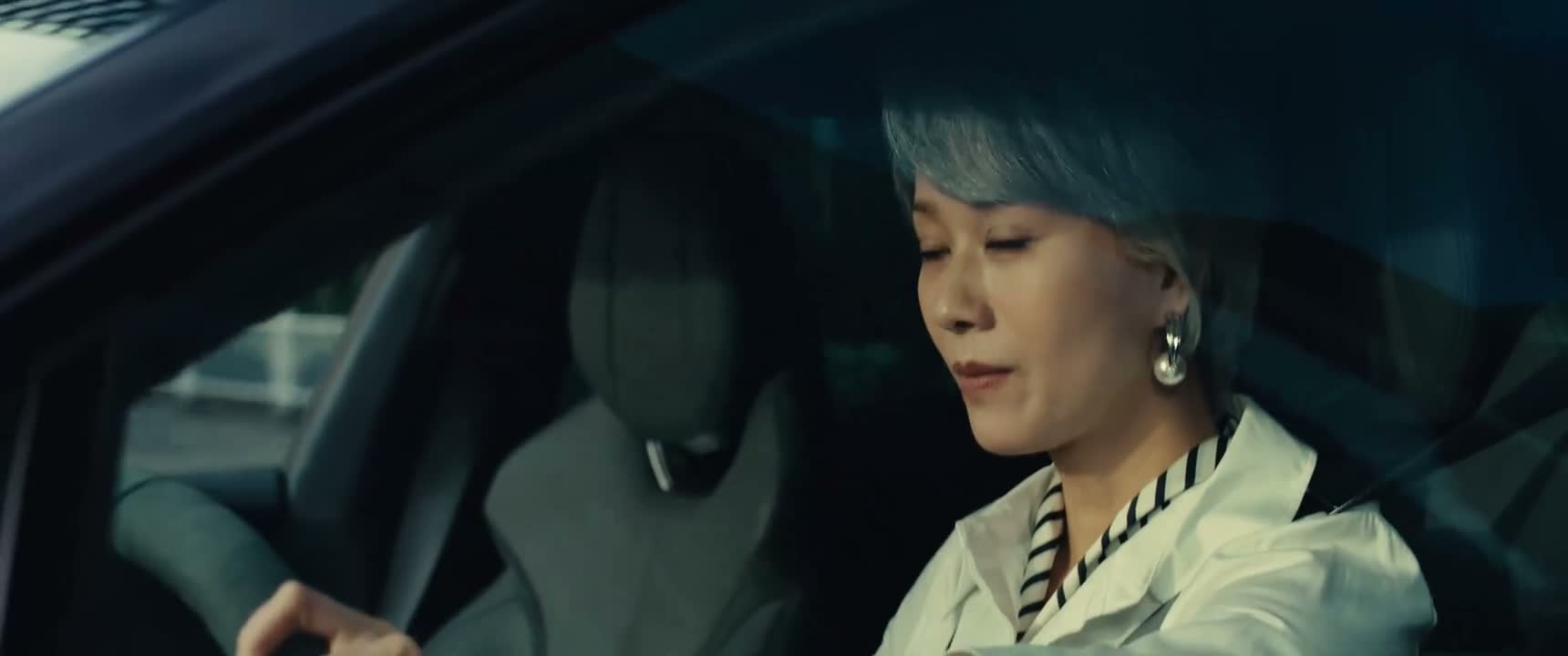
“Even so, I don't want him to live in my apartment.”

“I'm just unwilling to tell you unhappy things,”
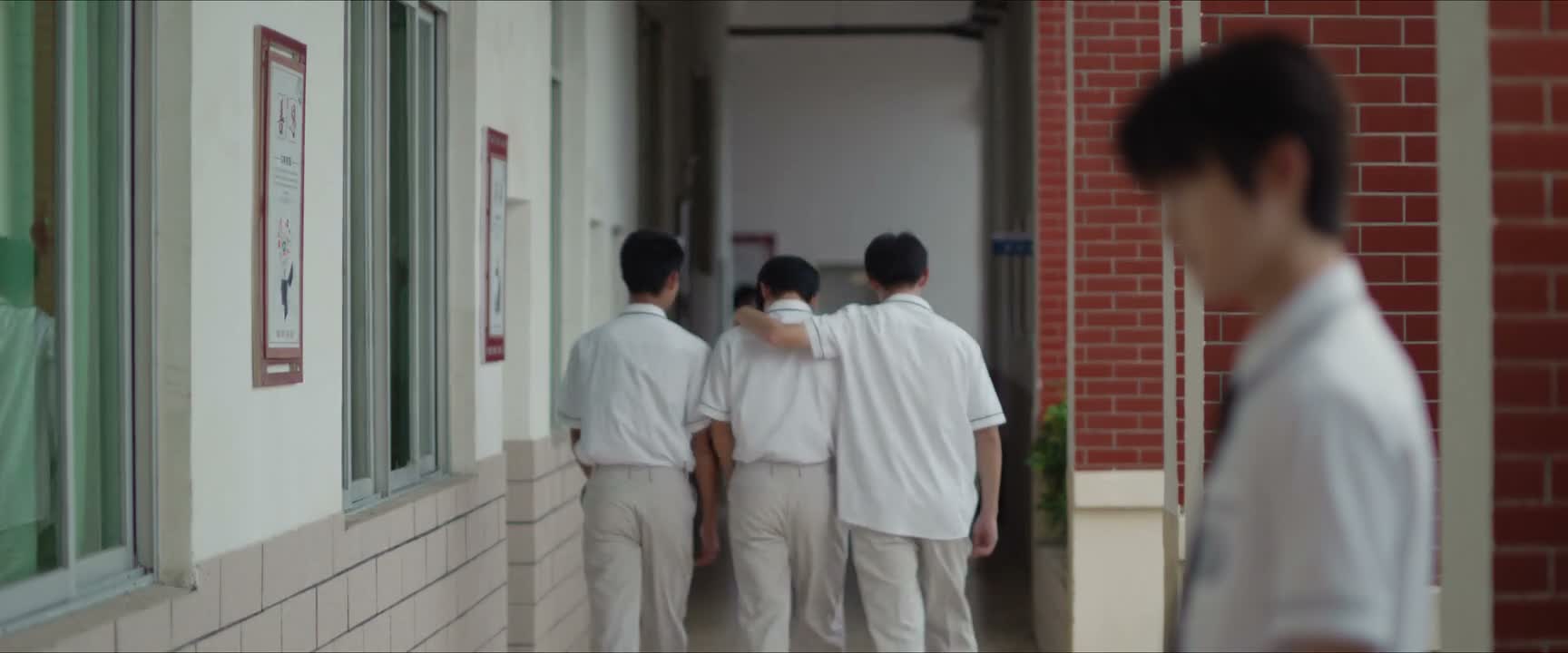
“You don't want to see him. Me neither.”

“I didn't want to live with him, because it was awkward, so he got mad”

“I was afraid he would refuse and ruin everything.”