谢谢啊 辛苦了 不用客气 再见啊
“Thank you. You've worked hard. You're welcome. Goodbye.”
THE DIALOGUE REEL
谢谢啊 辛苦了 不用客气 再见 啊
“Thank you. You've worked hard. You're welcome. Goodbye.”
您好 请您签个字
“Hello, please sign here.”
Direct spoken expression in this communicative setting.
Acknowledging the physical effort of service staff with '辛苦了' is a staple of everyday Chinese social etiquette that signals respect.
LEARNING CHUNKS & PARTICLES
thank you for your hard work or effort
A very common formula in Chinese to acknowledge someone's labor or service, often used with service providers or colleagues.
you're welcome / no need to be polite
Standard polite response when receiving thanks, functioning like 'don't mention it'.
Softens the farewell and expression of thanks, making the tone warmer and more approachable.
Functions within the fixed expression '辛苦了' to mark completion and recognition of effort.
VOCABULARY & EXPRESSIONS
Parallel Spoken Cinema Scenes (语义近邻切片)

“Thank you. You're welcome. OK, goodbye.”

“Thank you. You've worked hard.”

“Thank you so much. Bye.”
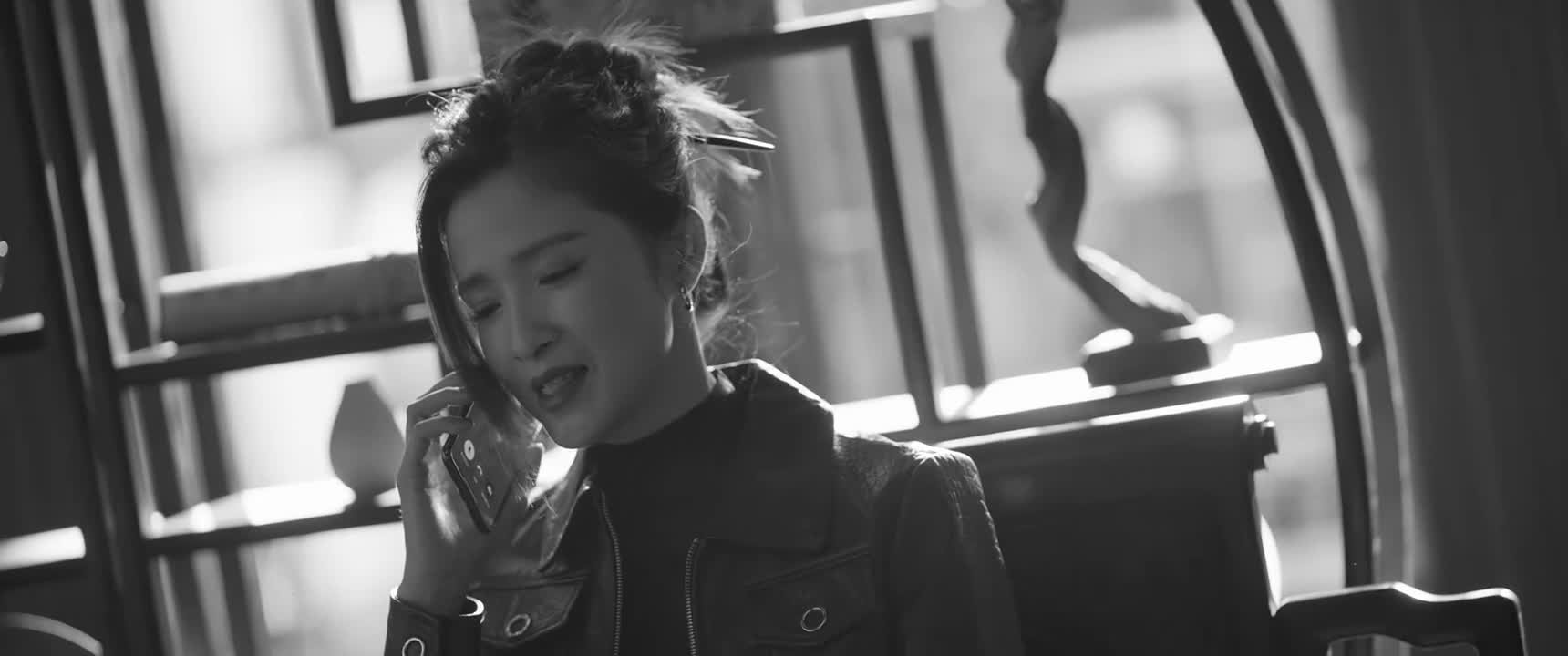
“Thank you, you've worked hard.”