是不是万一搬回去住了 又住不习惯怎么办 是不是
“You're wondering what if I move back in and can't get used to it anymore, right?”
THE DIALOGUE REEL
我知道你想问什么
“I know what you're trying to ask.”
是不是 万一 搬回去 住 了 又 住不习惯 怎么办 是不是
“You're wondering what if I move back in and can't get used to it anymore, right?”
“You've lived alone for over twenty years.”
“I know you want to move back, but you're terrified of old conflicts returning.”
In Chinese family culture, adult children and aging parents moving back together often involves balancing traditional filial proximity with modern individual boundaries and long-established independent habits.
LEARNING CHUNKS & PARTICLES
just in case; what if
Use this to hypothesize a worst-case or unexpected scenario in conversational Chinese.
unable to get used to living somewhere
A potential complement structure used when someone cannot adapt to an environment or lifestyle.
VOCABULARY & EXPRESSIONS
Parallel Spoken Cinema Scenes (语义近邻切片)
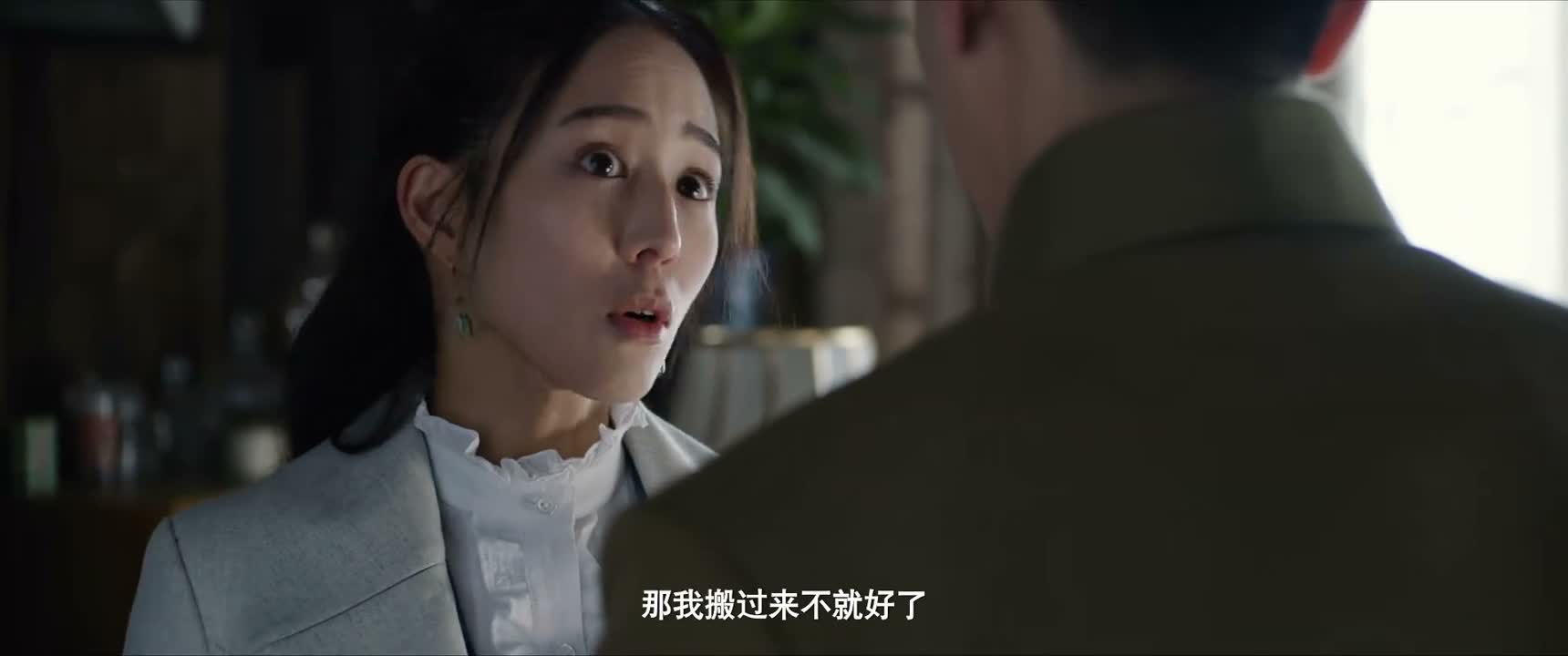
“Then wouldn't it be fine if I moved in?”
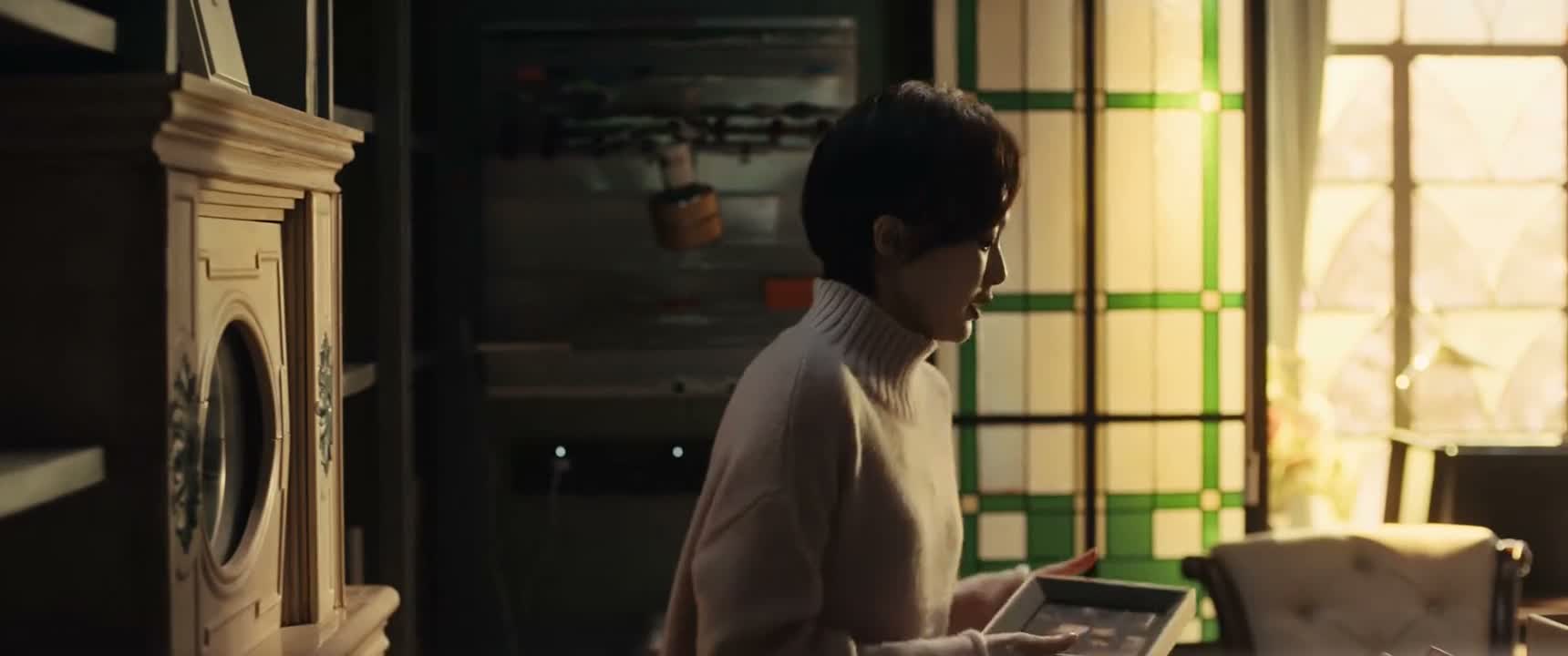
“If I hadn't moved, I would've never realized I had this much stuff.”

“isn't it about time you moved out?”

“It really is inconvenient to move it back and forth.”

“Would you move in with me?”

“If I go back to China, I'm afraid I might not be used to it.”