我昨天加班何韩老师上来 行了 不用解释了
“I was working late, and He Han came up... No need to explain.”
THE DIALOGUE REEL
昨天晚上陪我聊了一晚上
“She talked with me all night.”
我昨天 加班 何韩老师 上来 行了 不用解释了
“I was working late, and He Han came up... No need to explain.”
你赶紧走吧 我要工作了
“Just go. I need to get to work.”
“Save your breath, I don't care to hear your excuses.”
Using blunt markers like '行了' allows speakers to forcefully set boundaries and end unproductive emotional discussions, even if it risks sounding rude.
LEARNING CHUNKS & PARTICLES
enough / that's enough / alright
Commonly used in spoken Chinese to signal impatience and cut someone off when you want them to stop talking or doing something.
no need to explain anymore
Used to shut down someone's defense or justification, often carrying an annoyed or final tone.
Marks a change of state and imparts a decisive sense of closure, signaling that further talk is unnecessary.
VOCABULARY & EXPRESSIONS
Parallel Spoken Cinema Scenes (语义近邻切片)
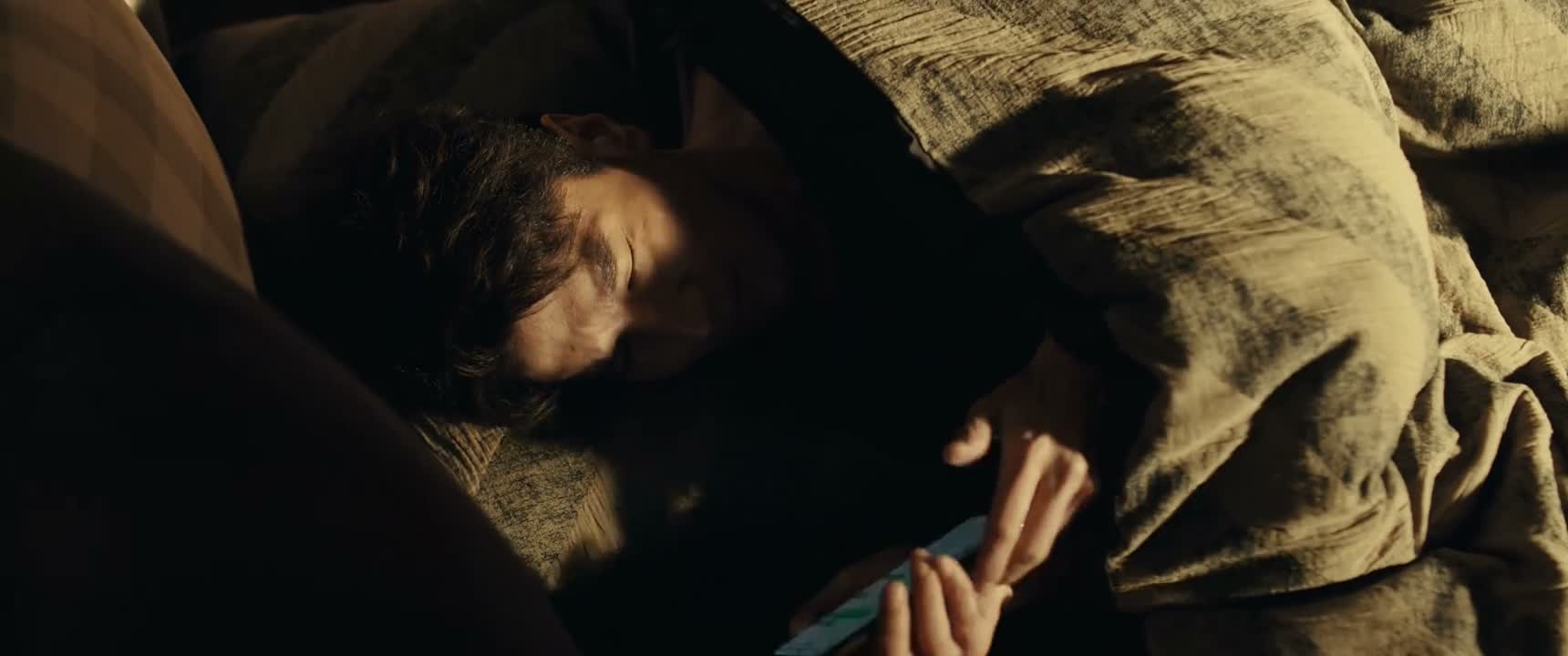
“Mr. He Han, is there anything else you want to know?”

“Mr. He Han, have you just had lunch?”
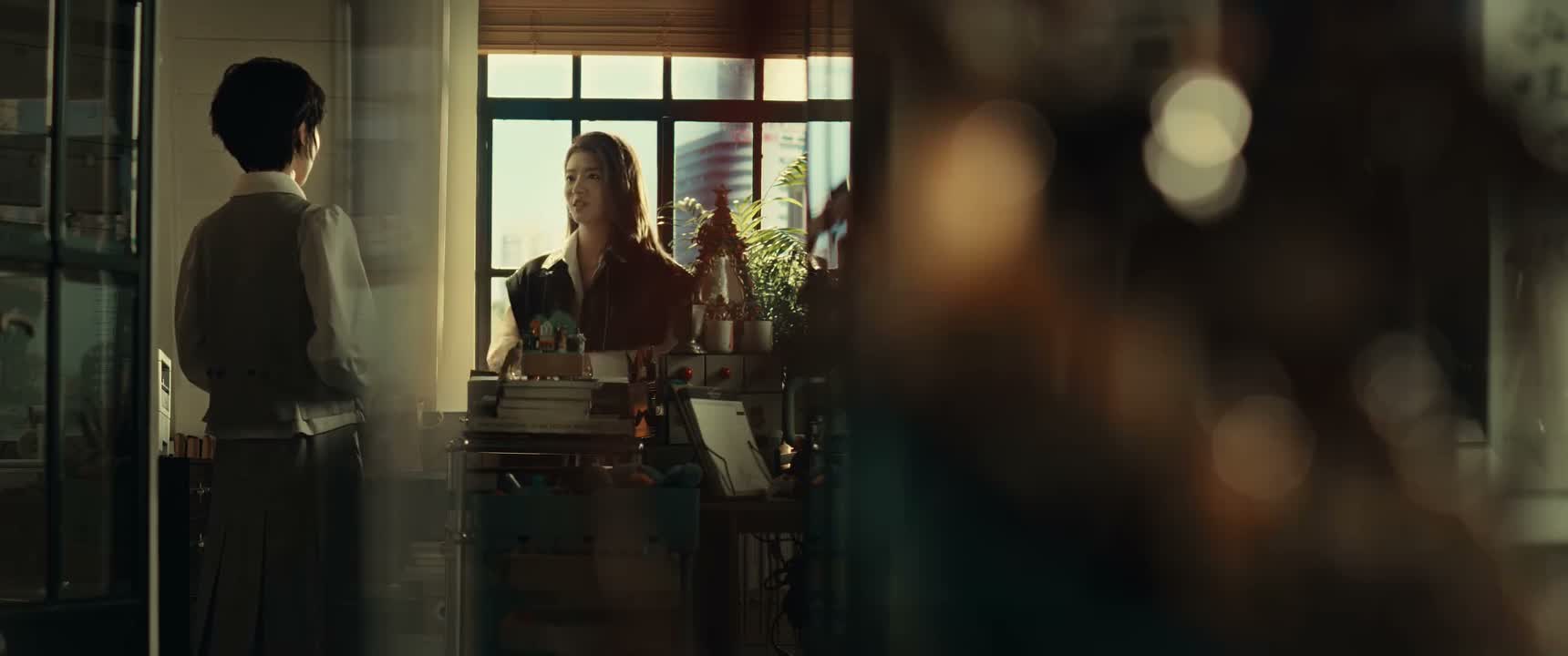
“Mr. He Han took Ms. Lin out for dinner.”

“I came to ask how he is doing.”

“Mr. He Han, you're here. - Welcome, Mr. He Han. - Hello, Mr. He Han.”

“Mr. He Han, you're so humorous, and entertaining. I'm serious.”