你看什么呢 这已经不是你的家了
“What are you looking at? This is no longer your home.”
THE DIALOGUE REEL
快点啊
“Hurry up!”
你看什么 呢 这 已经 不是你的 家了
“What are you looking at? This is no longer your home.”
“The car has been waiting outside for a long time. Let's go.”
“Stop reminiscing and accept reality; you have no claim here anymore, so get moving.”
Declaring that a place is 'no longer your home' carries significant emotional weight in Chinese culture, signifying complete detachment, eviction, or familial estrangement.
LEARNING CHUNKS & PARTICLES
what are you looking at?
Commonly used colloquially to question why someone is staring, spacing out, or looking around hesitantly.
no longer; not anymore
Used to firmly emphasize a changed status or irreversible reality.
Marks an ongoing action or curiosity, adding an impatient or inquisitive edge to the question.
Signifies a change of state, underscoring that the house is no longer the listener's.
VOCABULARY & EXPRESSIONS
Parallel Spoken Cinema Scenes (语义近邻切片)

“what are you looking at? Get to work.”

“what are you looking at? Master,”

“What are you looking at so intently?”

“Look at this part and this part. You can study them carefully.”
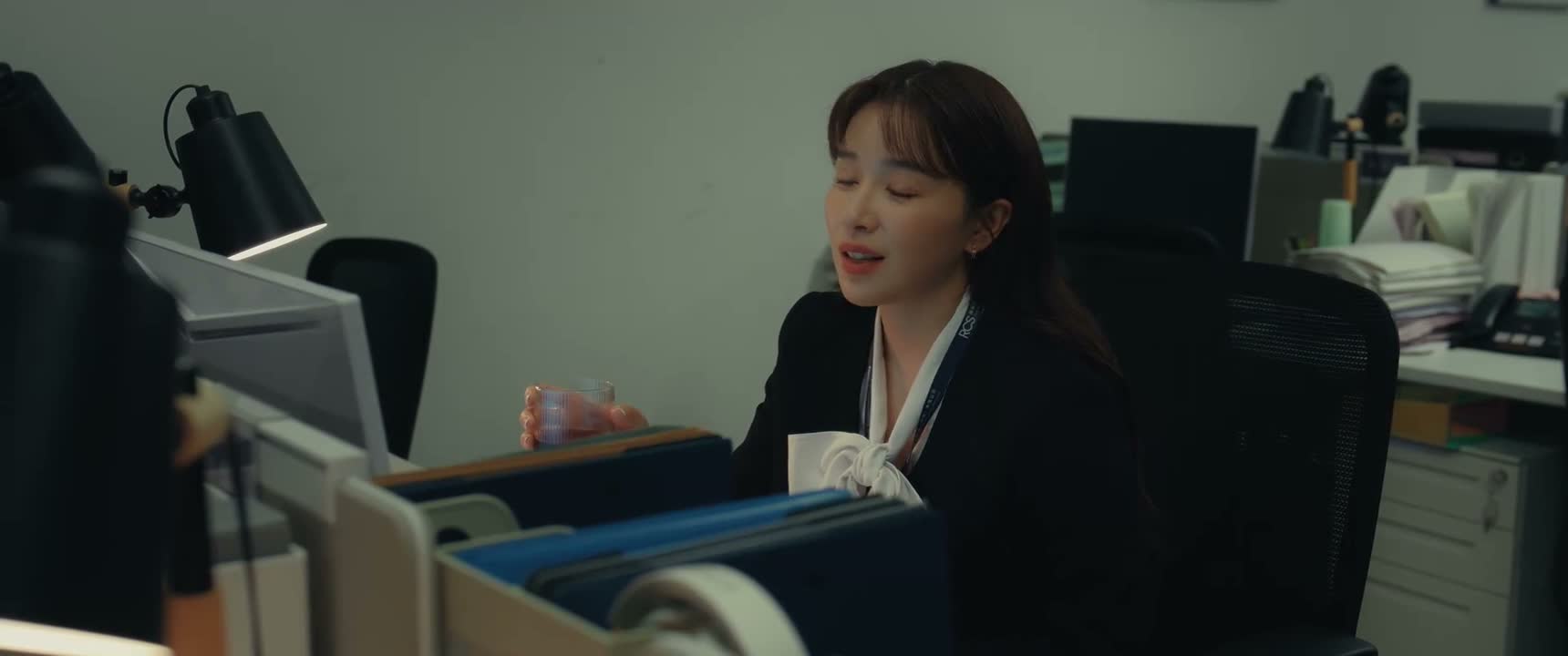
“What are you looking at? You seem thrilled.”

“What for? You wouldn't understand it.”