难道不是想要掌握 自己的命运吗
“Wasn't that because you wanted to control your own destiny?”
THE DIALOGUE REEL
“you argued with me, and argued with your mom.”
难道不是 想要 掌握 自己的 命运 吗
“Wasn't that because you wanted to control your own destiny?”
“Why is it that as soon as I'm down, you stop fighting?”
“If you really want independence, fight for your life instead of just whining at me.”
Chinese parents often use blunt rhetorical challenges to force adolescent or adult children to grow up and take responsibility for their own lives.
LEARNING CHUNKS & PARTICLES
to take control of one's own destiny
A powerful set phrase used when discussing self-determination and personal independence.
isn't it that / could it be anything other than
Used to introduce an emphatic rhetorical question asserting an undeniable point.
Marks a rhetorical question that prompts the listener to reflect on their genuine purpose.
VOCABULARY & EXPRESSIONS
Parallel Spoken Cinema Scenes (语义近邻切片)

“She's left her entire fate in the hands of others.”
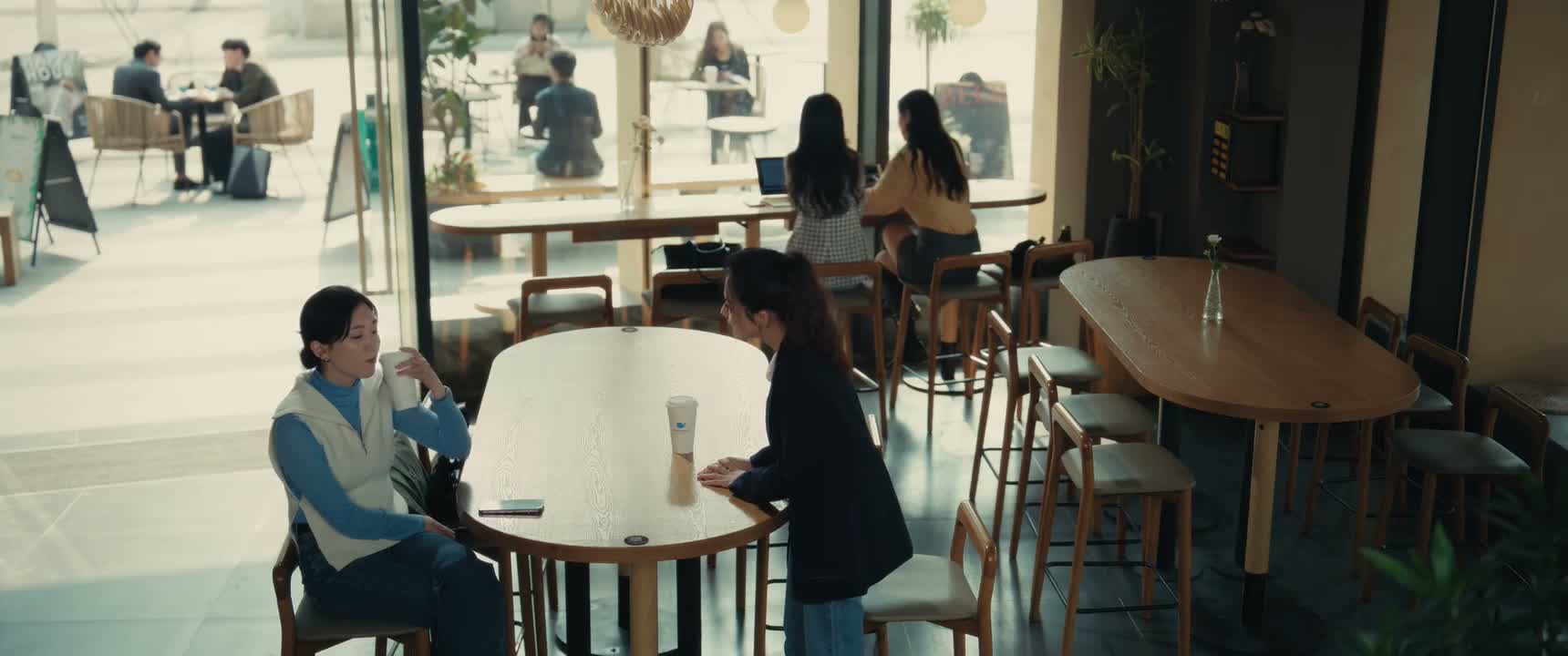
“It was you who told me the only way to change my fate is to rely on myself.”

“I'll decide how I live my life.”

“I will change my fate.”

“I don't want to leave my fate in the hands of a stranger like him.”

“Do you think a person's fate is predetermined?”