你发了没有啊 发了是吧 我看了看了
“Did you send it? You did, right? I have seen it.”
THE DIALOGUE REEL
笔呢 笔呢 笔呢
“Where is the pen?”
你发了没有 啊 发了 是吧 我看 了看了
“Did you send it? You did, right? I have seen it.”
看到了 等一会啊
“I saw it. Give me a moment.”
Direct spoken expression in this communicative setting.
Repeating short verbs like '看了看了' signals to the counterparty that the speaker is actively working under time pressure.
LEARNING CHUNKS & PARTICLES
Have you sent it or not?
A common colloquial way to ask if an electronic document, message, or file has been dispatched.
I've looked at it / I've checked it
Repeated rapidly in daily speech to reassure the other person that you are on top of the task.
Softens the urgent inquiry into a conversational check-in.
Expresses an assumption seeking confirmation from the listener.
VOCABULARY & EXPRESSIONS
Parallel Spoken Cinema Scenes (语义近邻切片)

“You saw the message I sent you, right?”

“I think you know the reason clearly.”

“Why didn't he send it?”
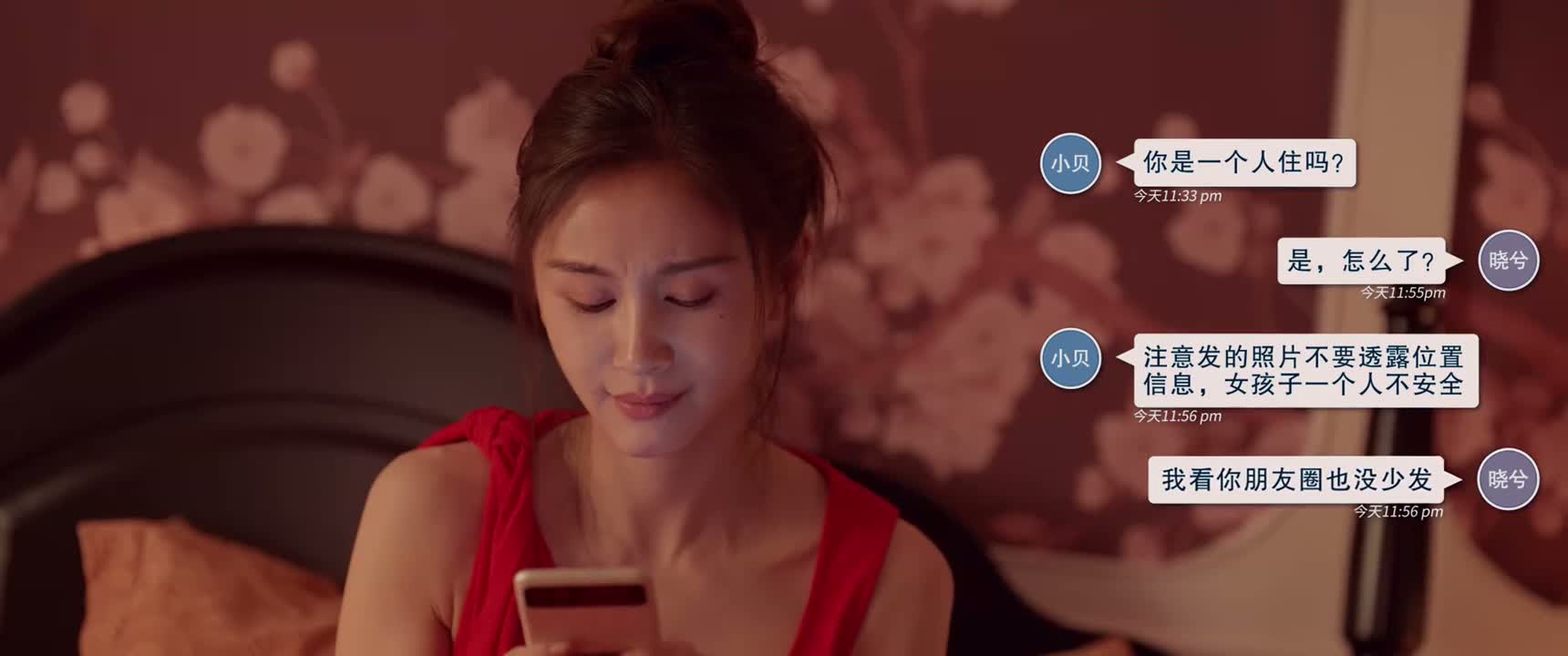
“(Xiaoxi) (You post plenty on Moments yourself.)”

“I don't really get this. So you emailed me.”
“I went through the files you sent over.”