回来啦警官 来来来 是不是到饭点了
“You're back, officer. Come. Is it time to eat?”
THE DIALOGUE REEL
问哪
“Ask!”
回来啦 警官 来来来 是不是 到饭点了
“You're back, officer. Come. Is it time to eat?”
该吃点饭了吧 警察 我也饿了五个小时了你们
“Shouldn't we eat? Officers, I've been starving for 5 hours.”
“I don't care about your questions; stop the interrogation and feed me.”
Chinese culture places strict structural importance on regular meal hours ('fan dian'), making it a common tactical excuse to stall or interrupt serious proceedings.
LEARNING CHUNKS & PARTICLES
it is mealtime / time to eat
Everyday colloquial expression used to point out that it is time for lunch or dinner.
come on / here we go
A highly colloquial marker used to invite someone in or draw immediate attention.
Conveys a lively, faux-friendly greeting that softens the surface tone while masking cheekiness.
VOCABULARY & EXPRESSIONS
Parallel Spoken Cinema Scenes (语义近邻切片)

“officers, I'll head back first.”
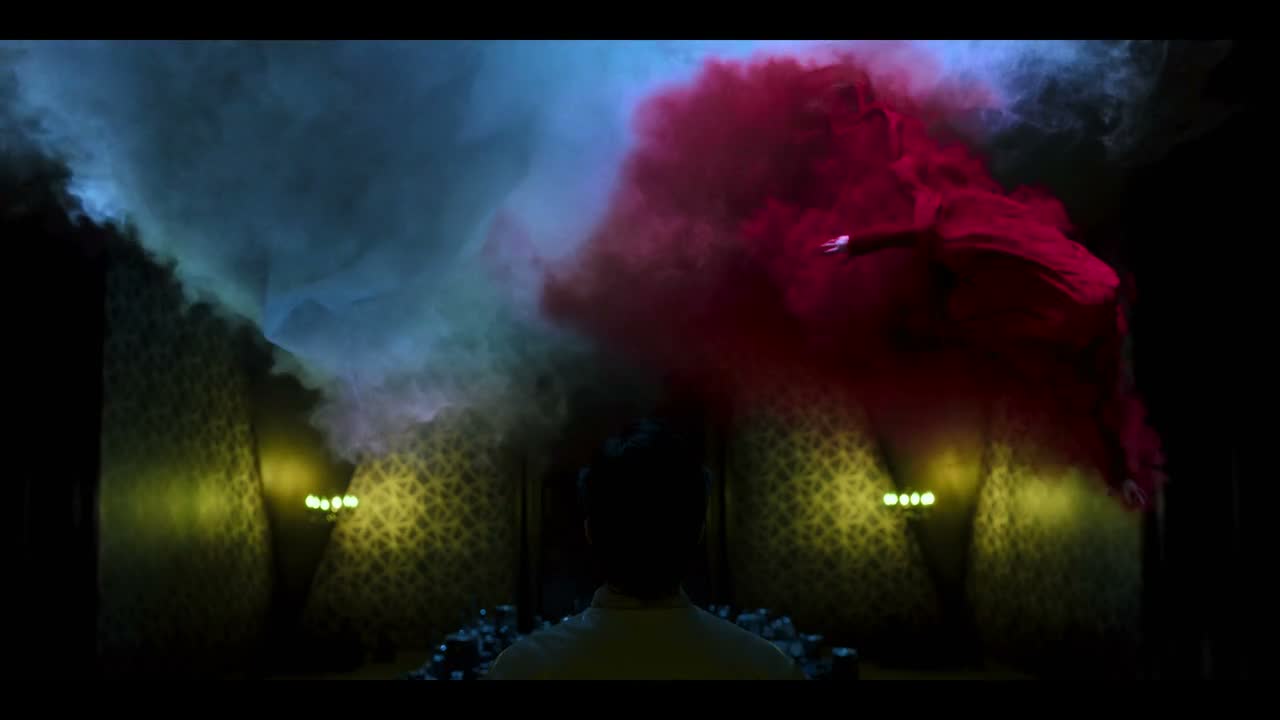
“You're back? It's been so hard on you.”

“Police! The cops are here! What are you panicking for? The cops are here!”
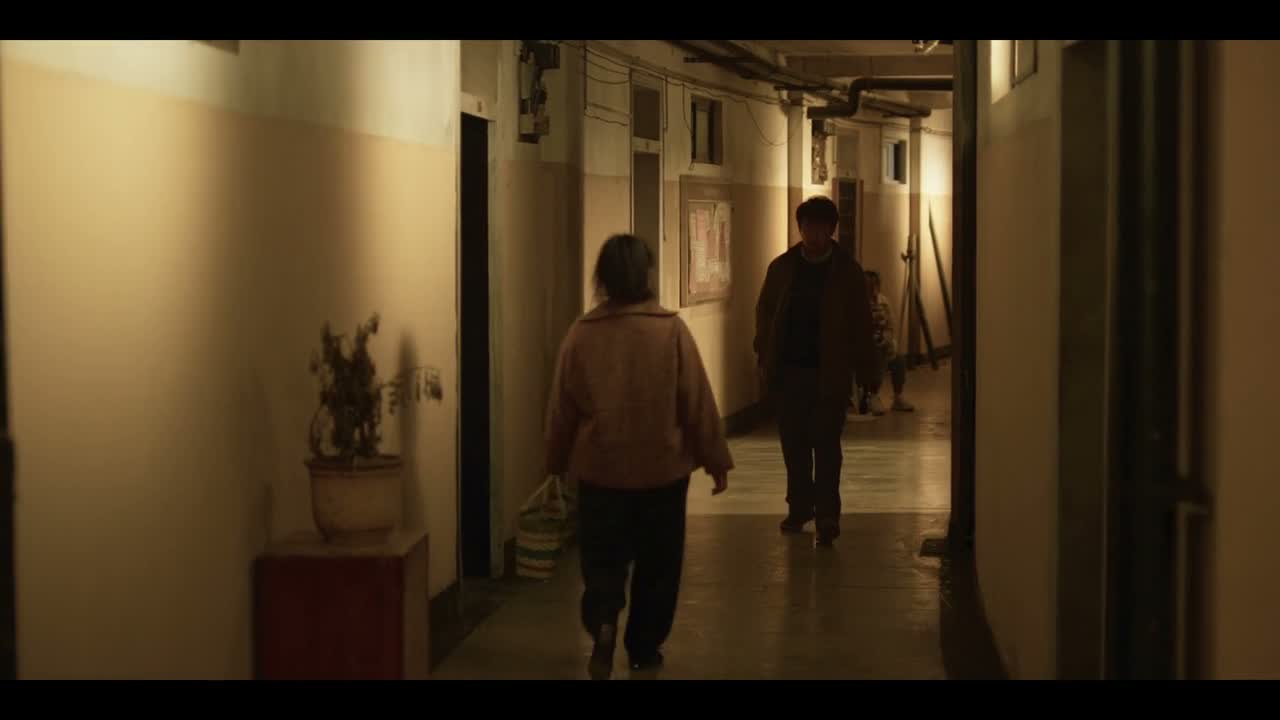
“Officer He, you came to work again.”
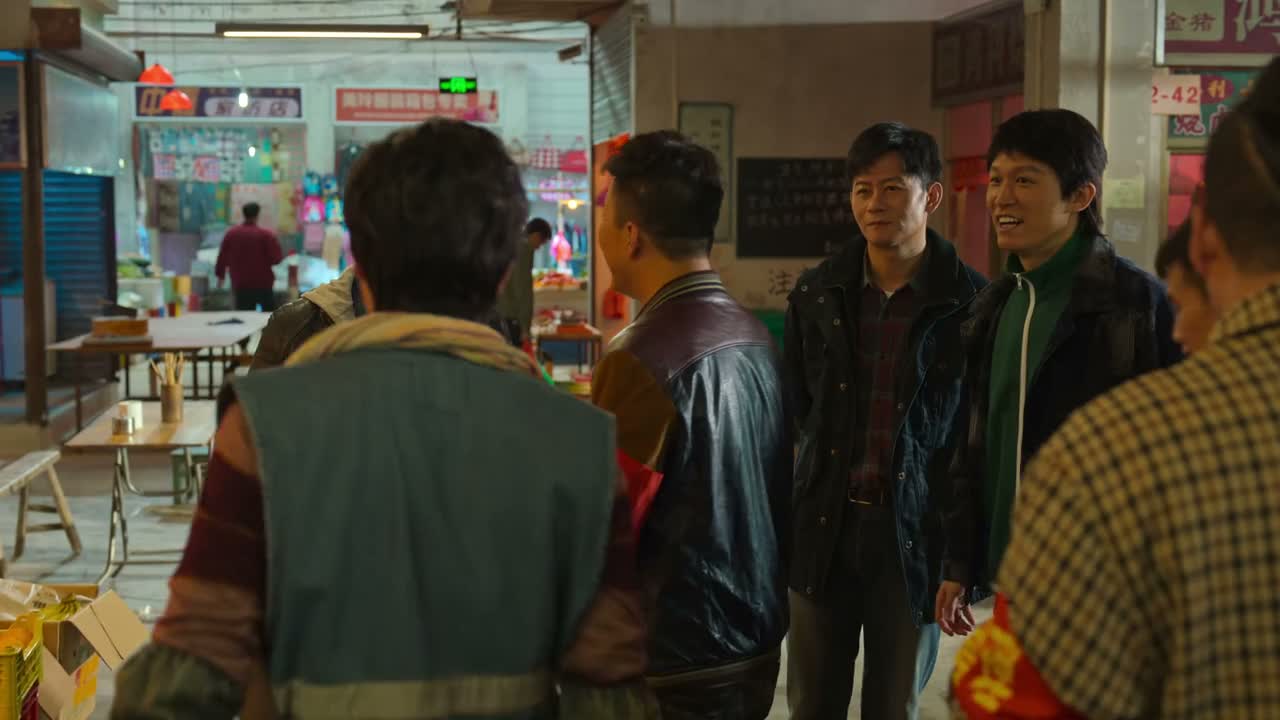
“Officer An, welcome. Officer Li.”

“Officers, come on in. This is my place. Well,”