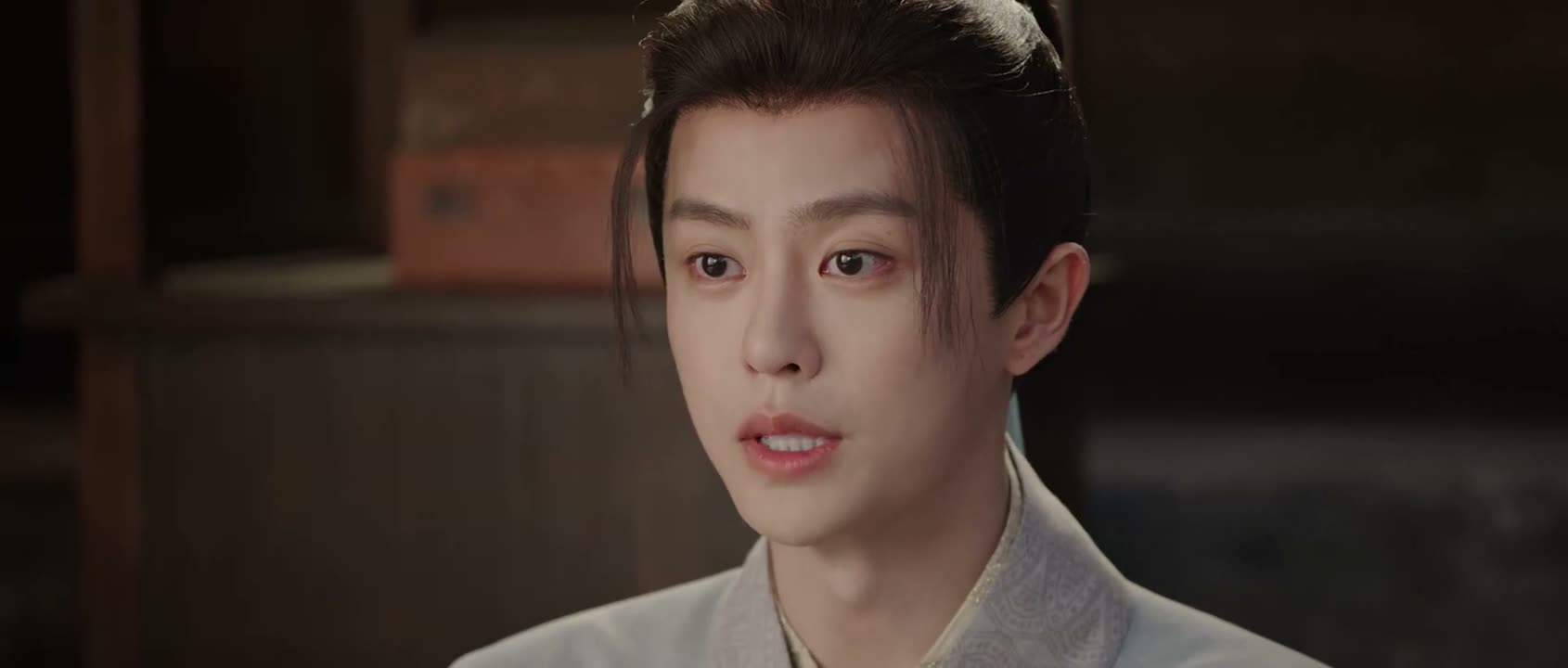
咱俩成婚好了
“we get married?”
THE DIALOGUE REEL
你怕被算计婚事 我怕受困于内宅 所幸
“you fear being schemed in your marriage, and I fear being confined to a household. How about”
咱俩 成婚 好了
“we get married?”
只要你不管我行侠仗义 我绝对不管你风花雪月
“As long as you don't interfere with my heroic deeds, I swear I won't meddle in your romantic affairs!”
“Let's form a convenient alliance through marriage so neither of us has to deal with forced expectations.”
In patriarchal society where youth were bound by arranged marriages and inner quarters (内宅), combining forces via nominal marriage offered rare personal liberty.
LEARNING CHUNKS & PARTICLES
the two of us
A highly colloquial northern Chinese pronoun combination of '咱们' and '俩', creating an immediate sense of shared camaraderie.
why not; let's just (suggestive)
Placed at the end of a suggestion to convey a casual, spontaneous, or practical solution.
Combined with '好' to form '好了', marking a conclusive and casual suggestion.
VOCABULARY & EXPRESSIONS
Parallel Spoken Cinema Scenes (语义近邻切片)

“We were just about to reconcile.”
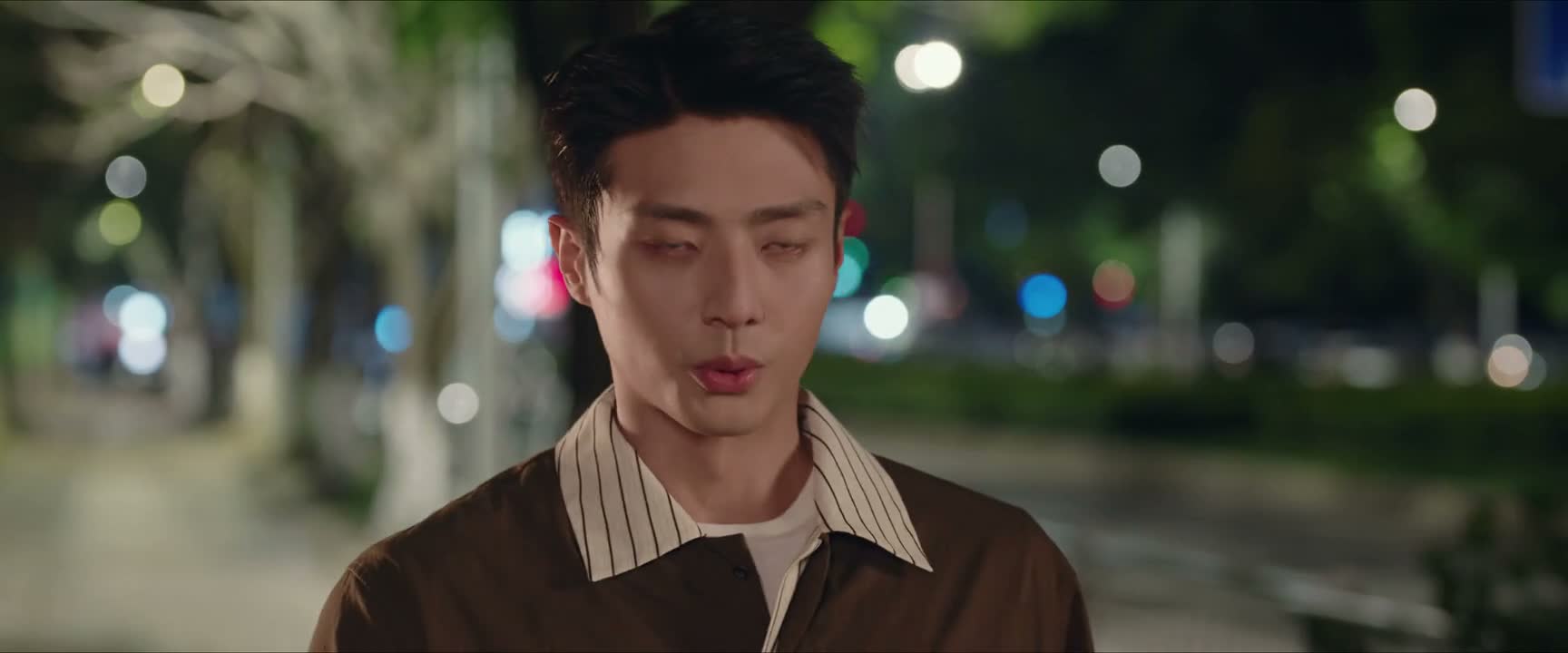
“We're back on good terms now, aren't we?”

“After we get married, let's live together as before.”
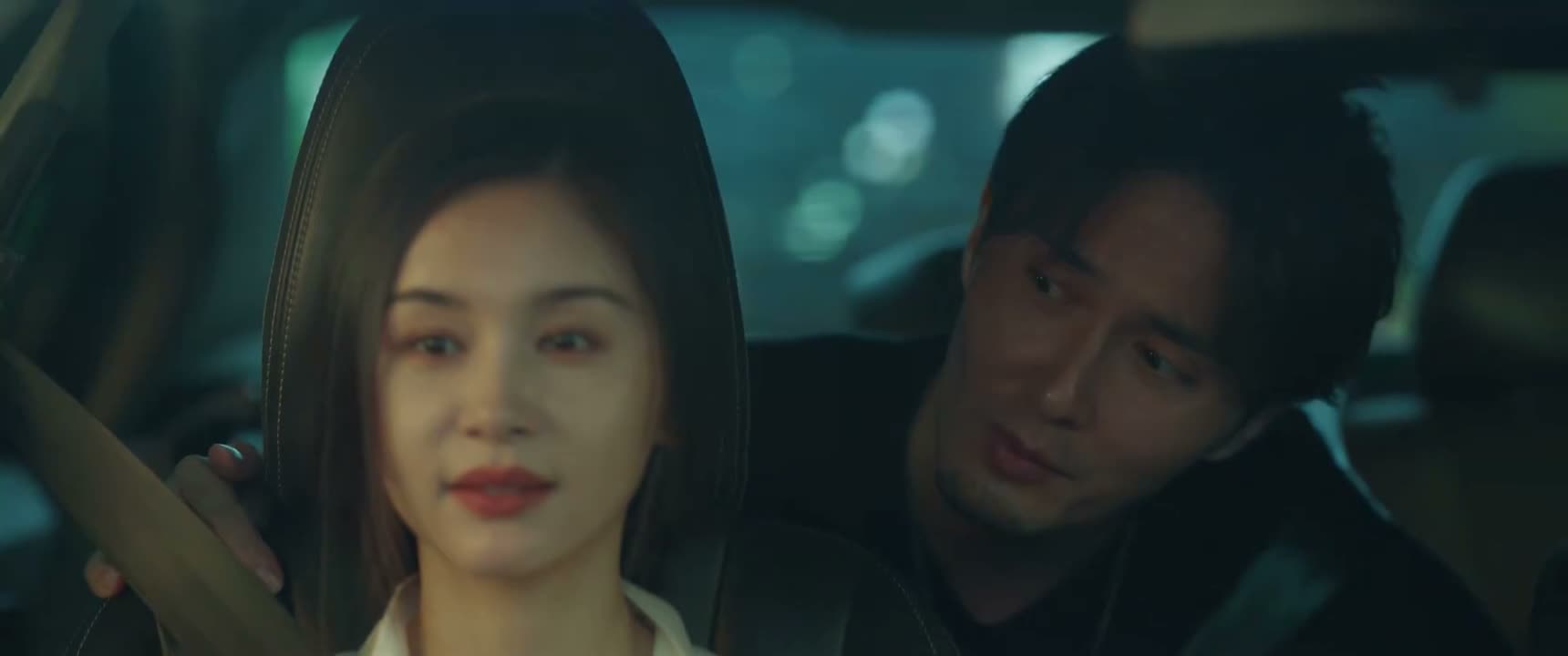
“we make a better couple, don't we?”

“It's your wedding day. A happy occasion.”

“But we married only half a year ago.”

“Even if you married me for a better family background,”

“So, are we good now?”
“we'll become comrades who crossed the suspension bridge together.”

“We're getting married very soon.”
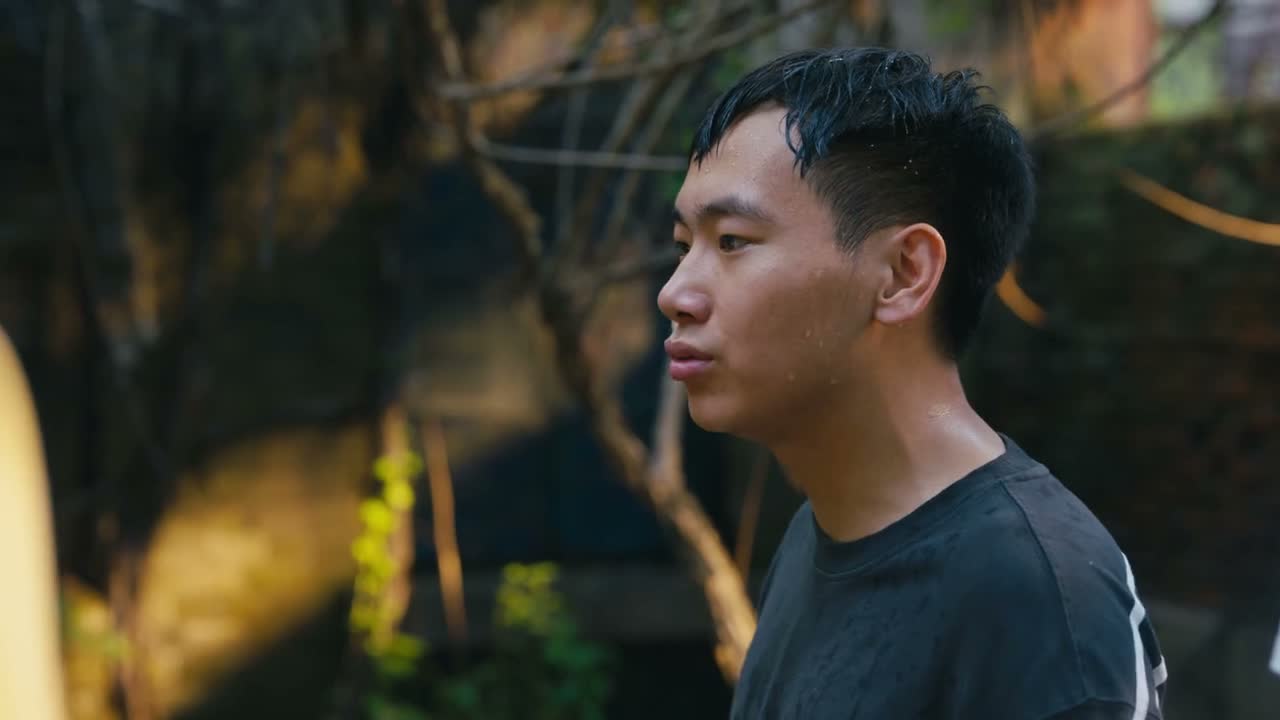
“and it'll be our home when we get married.”
“with Lord Qi and the elders.”