我说的都是气话 对不起 你说的是不是气话
“I said it out of anger. I'm sorry. You know”
THE DIALOGUE REEL
对不起 我
“I'm sorry. I...”
我说的 都是 气话 对不起 你说的是 不是 气话
“I said it out of anger. I'm sorry. You know”
你心里面有数
“if you meant what you said or not.”
“I take back my harsh words, so please tell me you didn't really mean the cruel things you said either.”
Labeling harsh speech as 'qi hua' provides an emotional escape hatch in Chinese interpersonal relations, allowing both parties to save face and walk back damaging comments.
LEARNING CHUNKS & PARTICLES
words spoken in anger / rash words
Used to describe hurtful statements made in the heat of the moment that should not be taken as one's true intent.
I'm sorry
Standard apology used when acknowledging personal wrongdoing or emotional offense.
VOCABULARY & EXPRESSIONS
Parallel Spoken Cinema Scenes (语义近邻切片)

“Your brother was just saying that out of anger.”
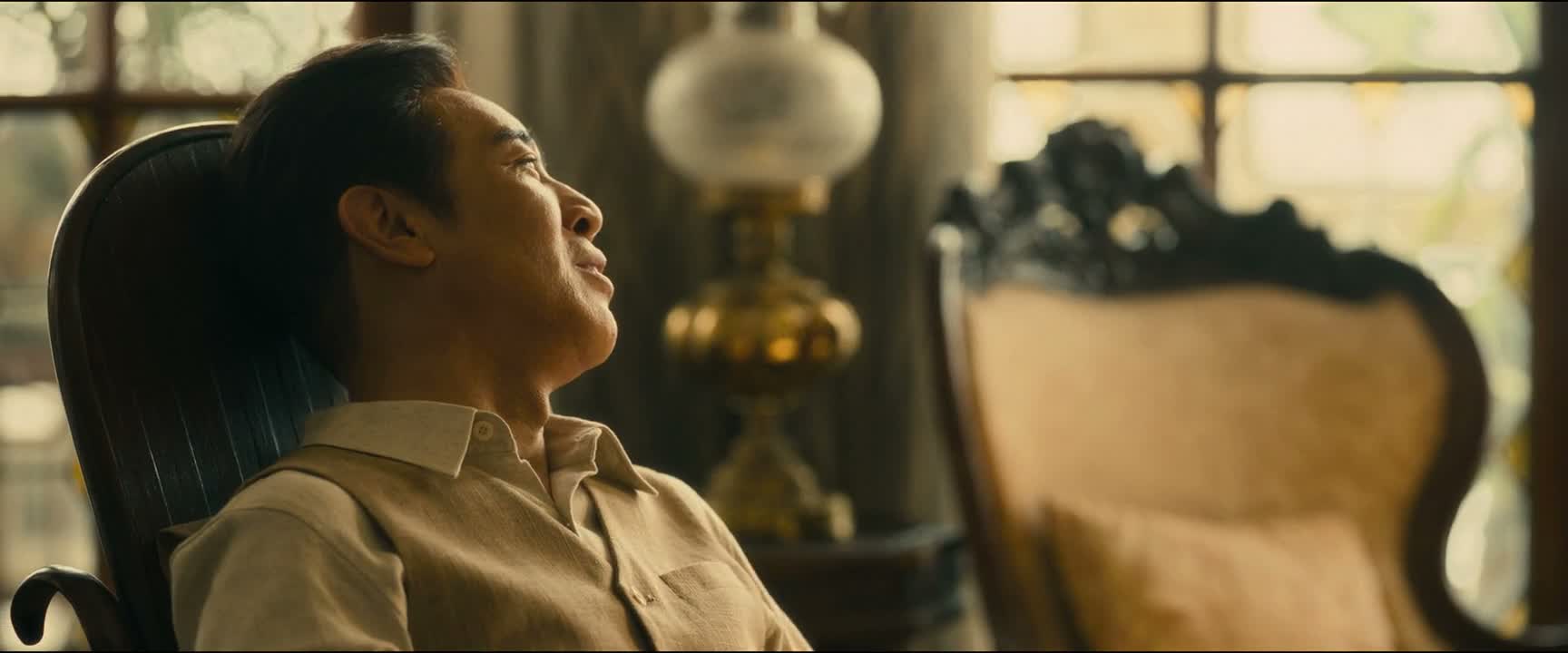
“I don't know if you're speaking out of anger or if you're serious.”

“Don't say such angry words either.”

“What on earth were you saying? Why are you throwing such a temper tantrum?”
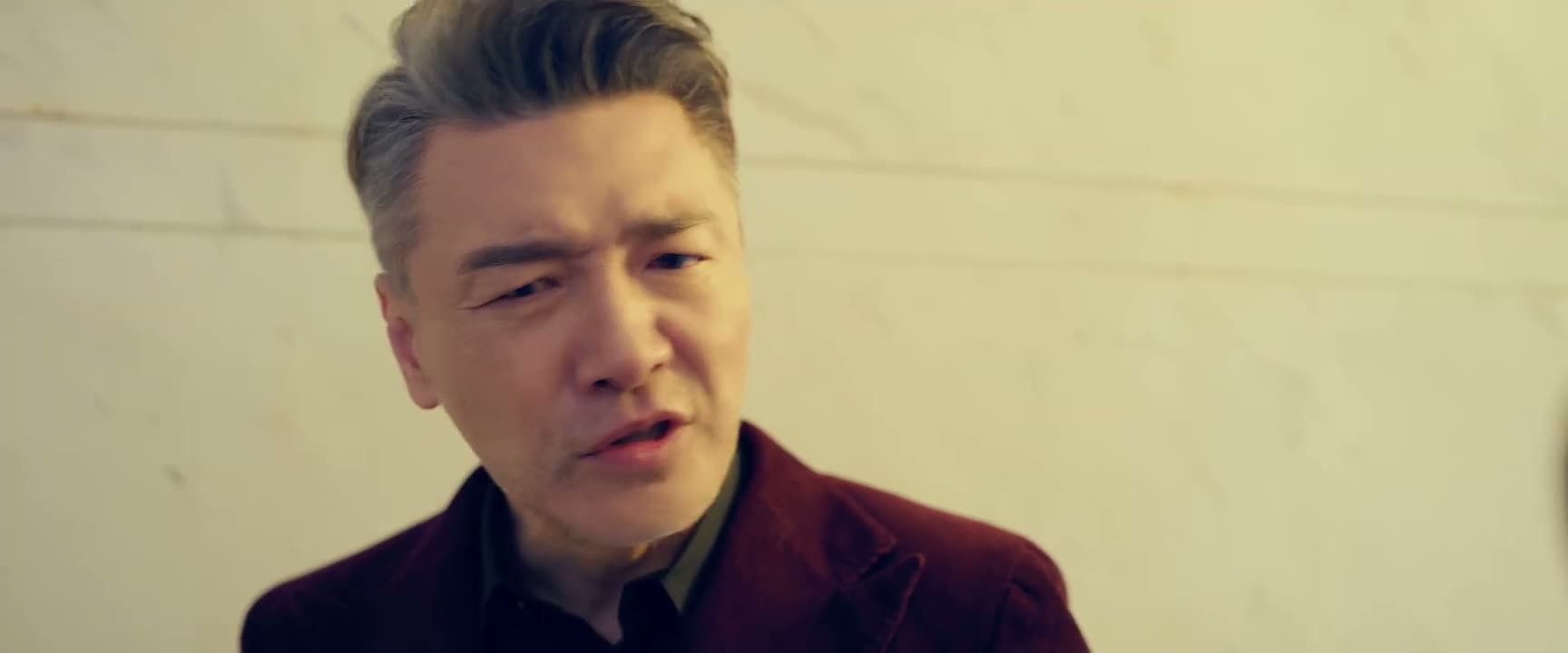
“What are you talking about?”

“Everything I say is nonsense, huh?”