气话
qì huàCommon spoken expression used by native Chinese speakers in daily life.
[Scene: 家庭日常]
(7 clips) 00:03
 00:02
 00:02
 00:02
(我们多少年的朋友了 她还不了解我吗) ── Previous context
“Don't take angry words in a fight with a friend seriously.”
 00:02
 00:02
 00:02
[Scene: 其他场景]
(4 clips) 00:02
 00:02
 00:03
(全扔了 让他们饿死) ── Previous context
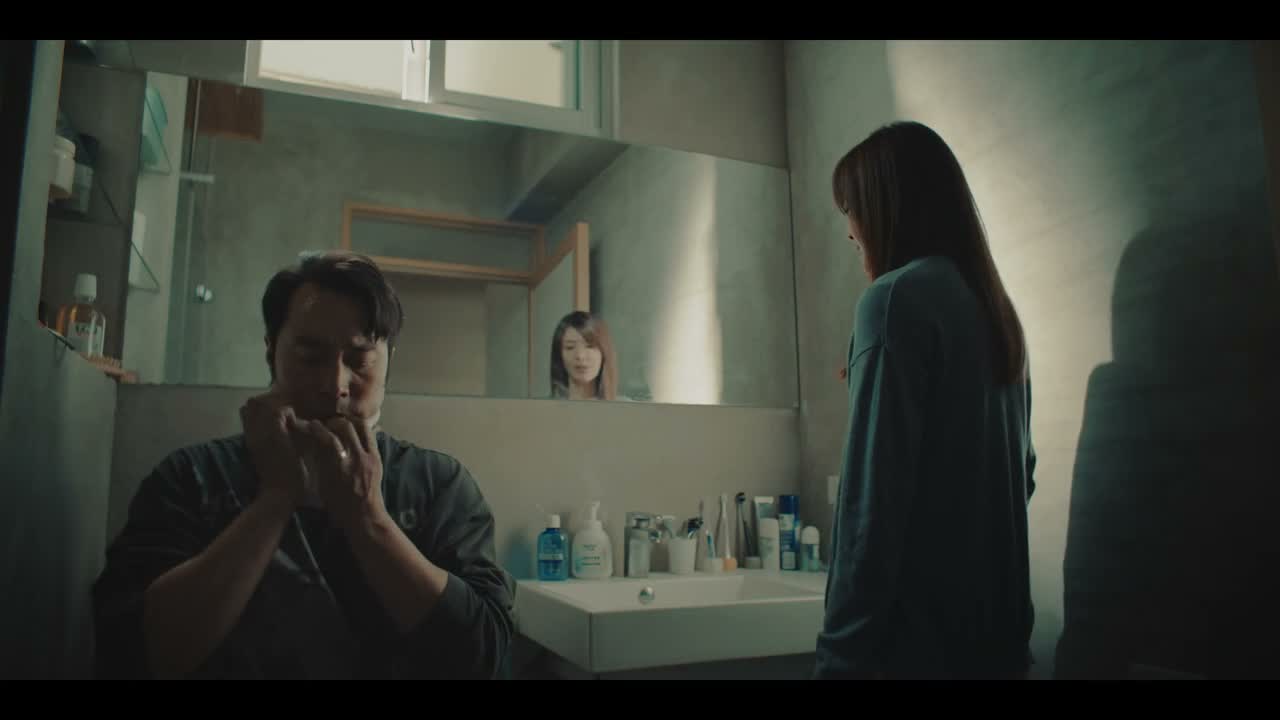
“I don't know if you're speaking out of anger or if you're serious.”
 00:02
[Scene: 其他场景]
(2 clips) 00:02
 00:03
[Scene: 商务沟通]
(1 clips) 00:02
[Scene: 其他场景]
(1 clips) 00:02
[Scene: 餐饮美食]
(1 clips) 00:03
(咱们一起吧 来) ── Previous context
“-To Ms. Xia! -Ms. Xia! Alright. I'll save the pleasantries then.”
[Scene: 历史宫廷]
(1 clips) 00:03
(爷) ── Previous context
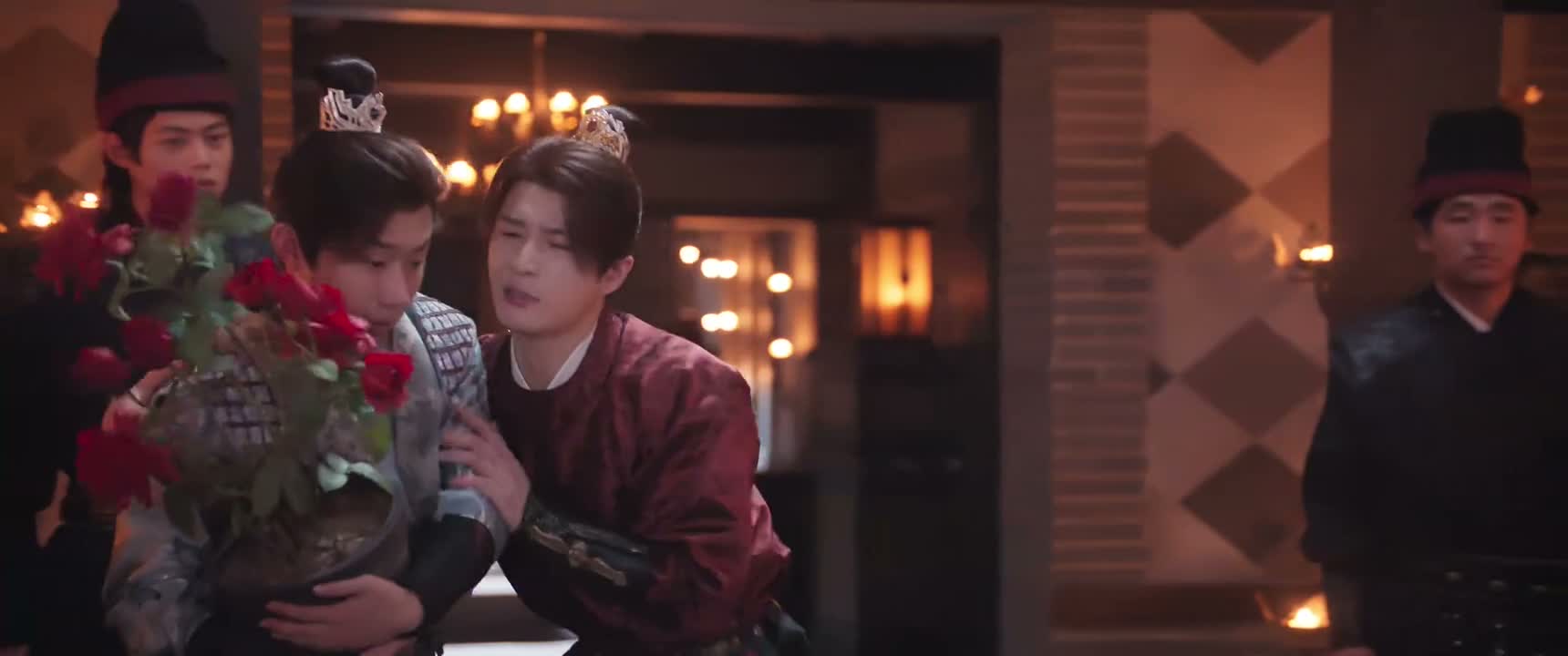
“My Lord. Sir, please calm yourself down. Young master spoke in a moment of anger.”
[Scene: 社交聚会]
(1 clips)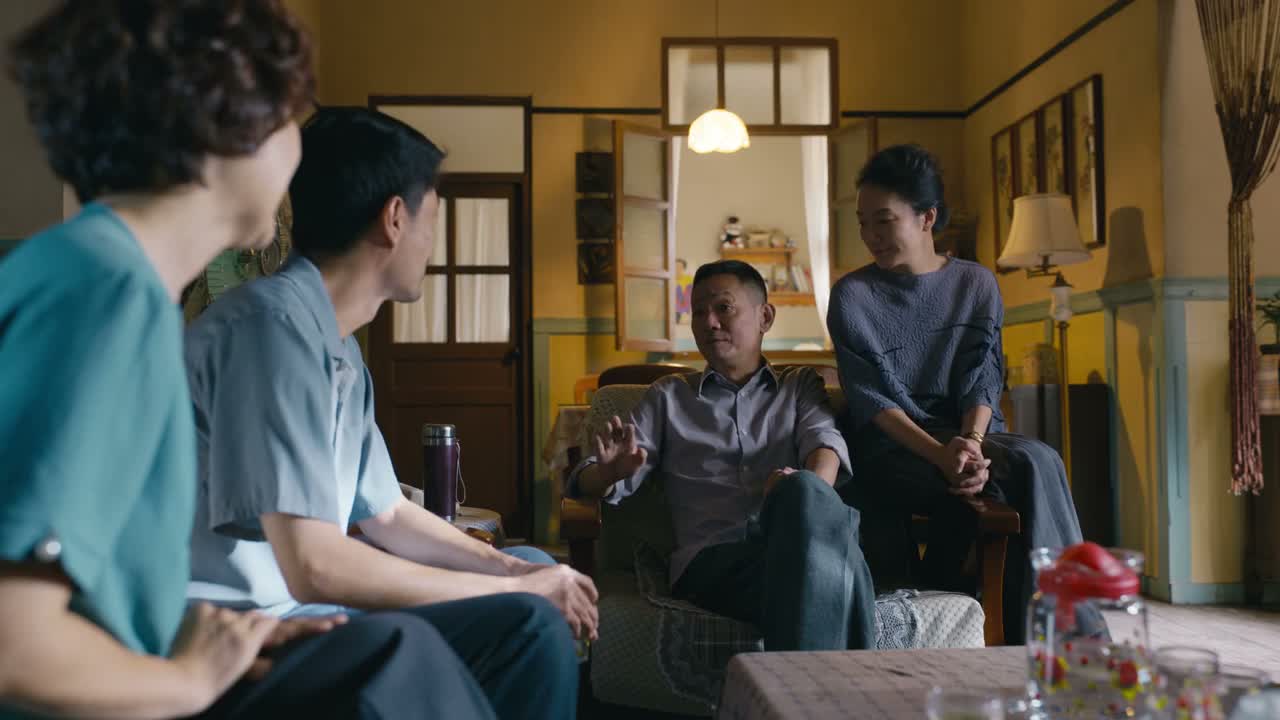 00:02
[Scene: 职场工作]
(1 clips) 00:02
(老戏看的是啥 看的就是你这个演员的功) ── Previous context
“Troupe Leader, I won't say anything so discouraging.”
📌 沟通
→Nuance: 同向近义词根配对: [我们 ↔ 咱们]
📌 请客
→Nuance: 同向近义词根配对: [客气 ↔ 却之不恭]
📌 对不起
→Nuance: 同为探询对方是否说气话
📌 不客气
→Nuance: 同向近义词根配对: [我们 ↔ 咱们]
📌 太客气了
→Nuance: 均表达让老板别客气之意
📌 不许
→Nuance: 核心交际意图完全相同
📌 不知道
→Nuance: 同为探询对方是否说气话
📌 别客气
→Nuance: 同为劝对方别客气,口吻不同
📌 别客气
→Nuance: 交际意图一致,劝其不必见外