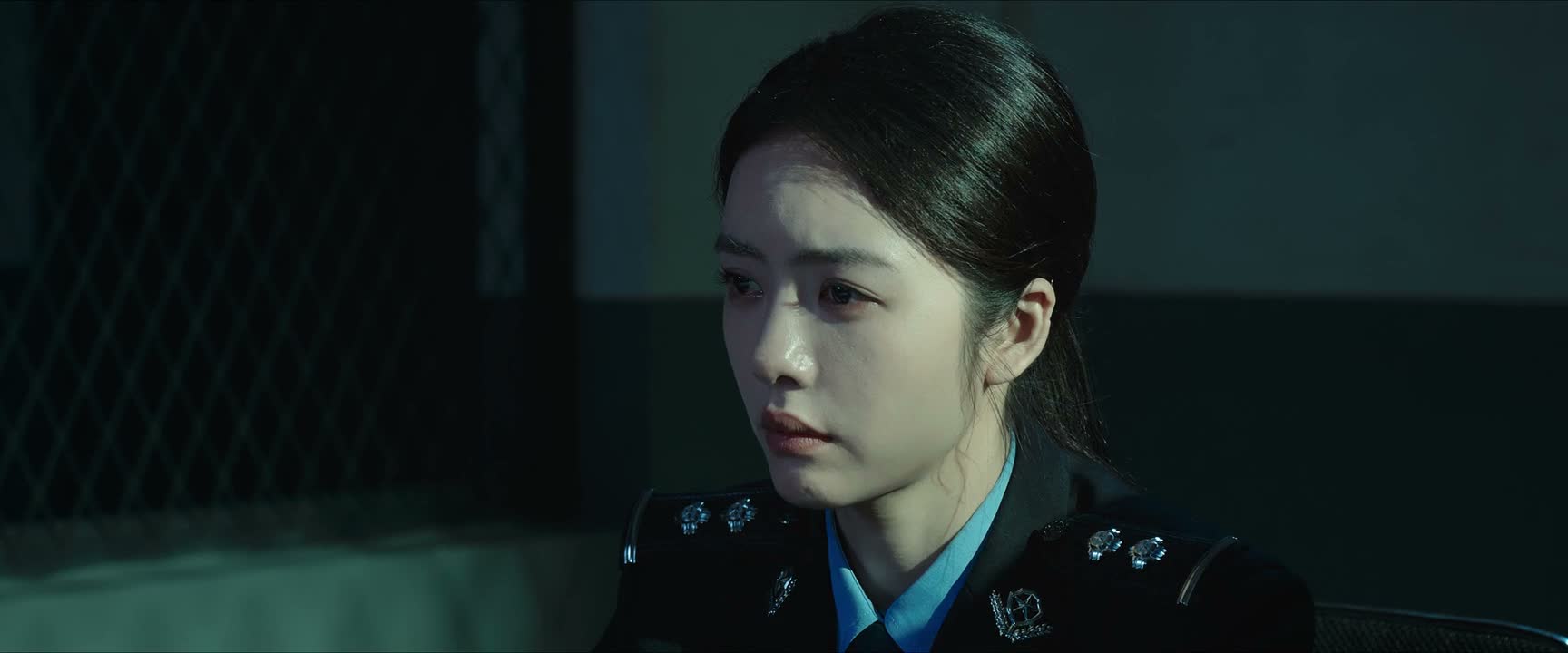
避开风头再回来 这个事情就能了是吗
“and to come back later, the thing could be over?”
THE DIALOGUE REEL
躲一躲
“to hide somewhere”
避开风头 再 回来 这个 事情 就能 了 是吗
“and to come back later, the thing could be over?”
“You're wrong this time. If you really care about your brother,”
“Do you really think running away will make this go away? It won't.”
Laying low until the heat blows over is a common pragmatic evasion tactic in Chinese colloquial culture when facing police scrutiny or scandal.
LEARNING CHUNKS & PARTICLES
to lay low; to avoid scrutiny during a risky or heated period
Colloquial idiom frequently used when hiding away from trouble, authority, or public backlash.
to settle; to conclude (pronounced 'liǎo')
Used as a verb meaning to bring an unresolved problem or affair to an end.
Turns the statement into a rhetorical question expressing sharp doubt and confrontation.
VOCABULARY & EXPRESSIONS
Parallel Spoken Cinema Scenes (语义近邻切片)

“When things cool down, he'll decide.”

“we could leave after the New Year to lie low.”
“It all died down after that.”

“is merely a way of lying low until the storm passes. The moment it passes,”

“I'm not leaving this time.”

“At the beginning, should we avoid the spotlight a bit?”