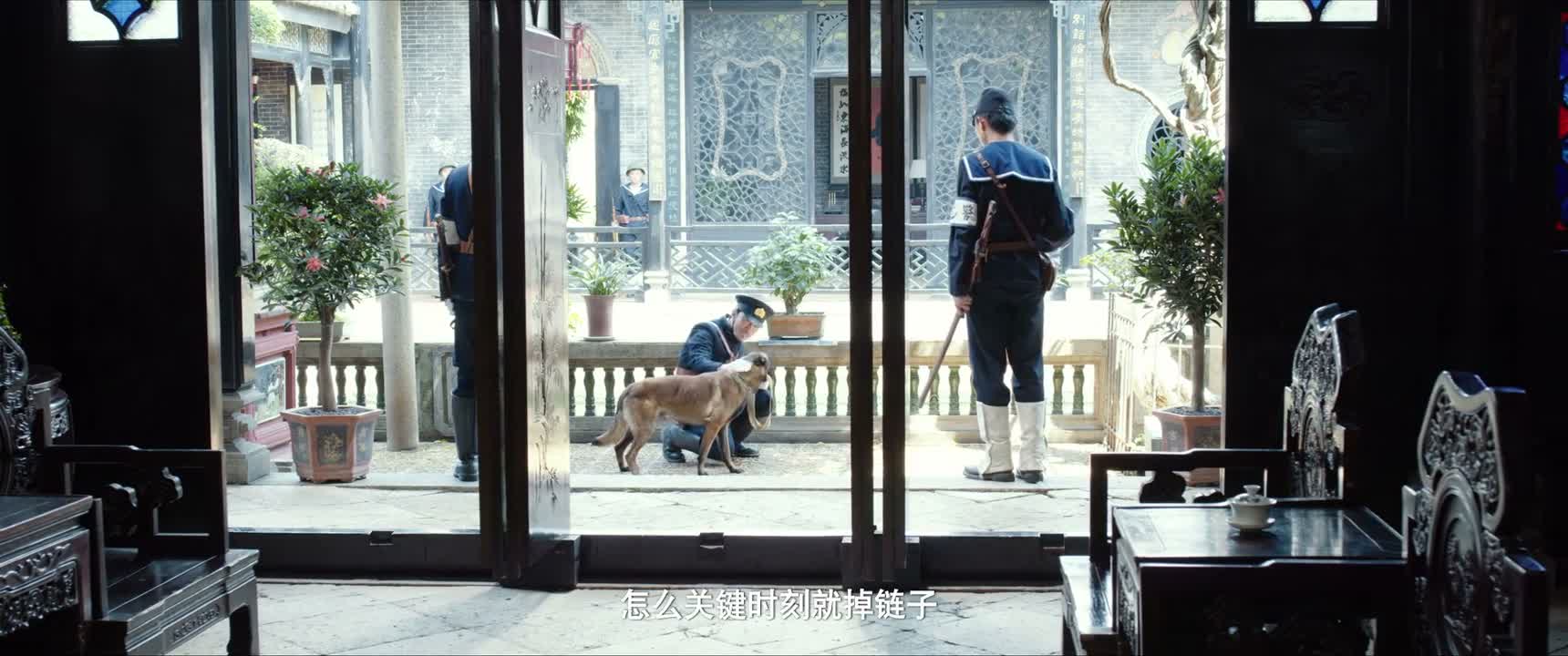
怎么每到关键的时候 就掉链子啊
“Why do I always drop the ball at critical moments?”
THE DIALOGUE REEL
又是这样
“It's happening again.”
怎么 每到 关键的时候 就 掉链子 啊
“Why do I always drop the ball at critical moments?”
十几年前
“Over 10 years ago,”
Direct spoken expression in this communicative setting.
Colloquial Mandarin frequently uses mechanical mishaps, such as slipping chains ('掉链子'), to criticize human unreliability and unfulfilled expectations.
LEARNING CHUNKS & PARTICLES
at the critical moment; when it counts
Used to denote a decisive turning point or high-stakes timing.
to drop the ball; to let someone down; to fail unexpectedly
A highly colloquial Northern metaphor based on a bicycle chain falling off at the worst possible time.
Softens the rhetorical question while amplifying emotional intensity and exasperation.
VOCABULARY & EXPRESSIONS
Parallel Spoken Cinema Scenes (语义近邻切片)

“but you always fail at critical points. Didn't you fail”

“it's another critical moment.”

“is at a critical moment now.”
“Why do you fail at the crucial moment?”

“But at such critical moment,”

“red-handed”

“And he bails on us at the critical moment.”