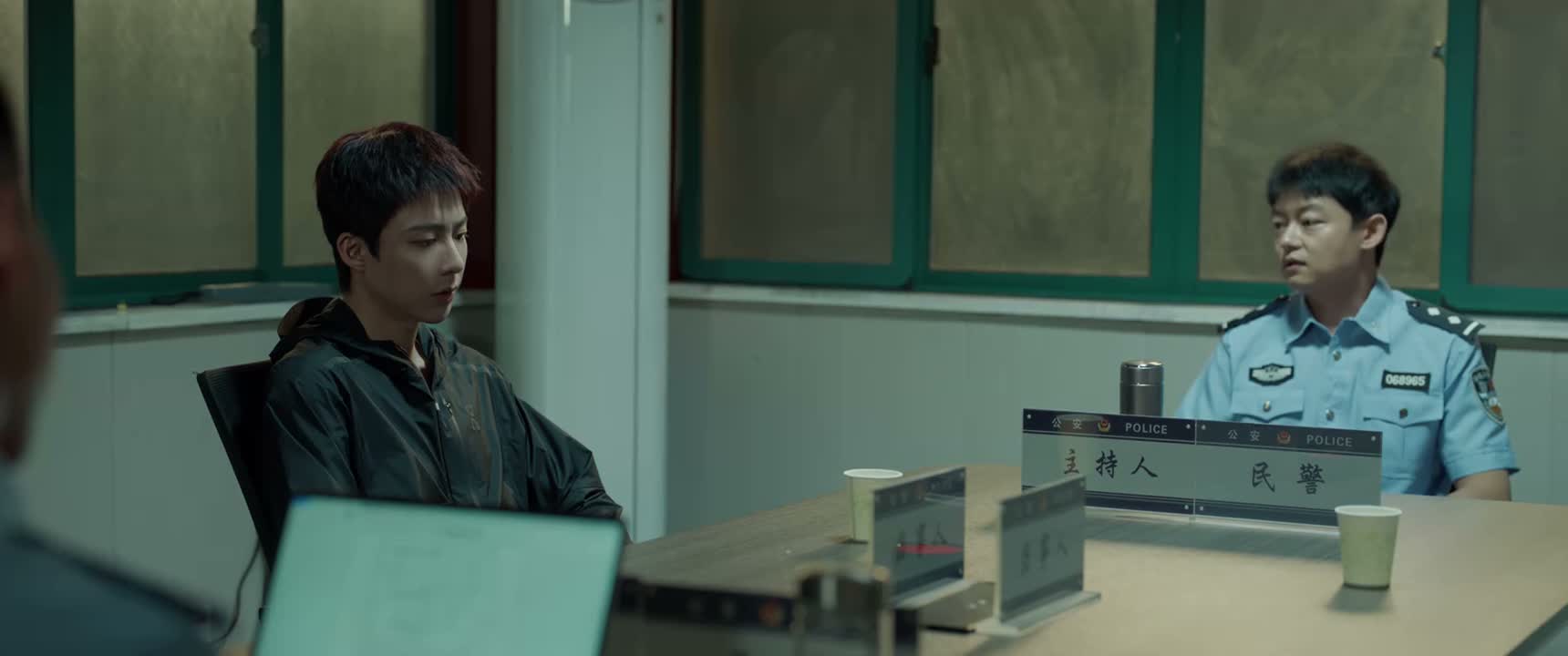
《Agent from Above》 S1·E6 (30:36)
HSK 6
shén me dǎ jià ? wǒ men shì jǐng chá néng gòu zhī fǎ fàn fǎ ma ?
什么打架? 我们是警察 能够知法犯法吗?
“Later on, you never know, there might be a citizen who needs our help.”
《Agent from Above》
S1·E6
TIMECODE: 30:36
·
1080P MASTER AUDIO
THE DIALOGUE REEL
[-1] PREVIOUS TURN
wǒ men děng yí xià yào qù dǎ jià ó ?
我们等一下要去打架哦 ?
“Who are we fighting?”
shén me dǎ jià ? wǒ men shì jǐng chá néng gòu zhī fǎ fàn fǎ ma ?
CURRENT FOCUS
什么 打架 ? 我们 是警察 能 够 知法犯法 吗 ?
“Later on, you never know, there might be a citizen who needs our help.”
[+1] FOLLOW-UP TURN
dōu shì yī xiē pì hái
“Later on, you never know, there might be a citizen who needs our help.”
Subtitles synced to millisecond timecode
Browse Show Clips →
Scene:
Legal & Police
Function:
REPRIMANDING
Tone:
REPROACHFUL
Emotion:
ANNOYANCE
WHAT THEY REALLY MEAN (PRAGMATIC SUBTEXT)
“Watch your mouth, we enforce the law, we don't start street brawls.”
💡 Cultural Insight: Professional Identity and Lawfulness
Chinese police dynamics often emphasize ideological correctness and strict role discipline, where senior officers quickly shut down unprofessional conduct.
INTENT TAGS:
#reprimand
#correcting
#reinforcing_boundaries
#asserting_authority
🧩
1 CHUNKS · 1 PARTICLES
LEARNING CHUNKS & PARTICLES
知法犯法
SPOKEN CHUNK
to deliberately violate the law while knowing it well
A common idiom used to criticize officials or law enforcers who break the rules they are supposed to uphold.
Modal Particle「吗」 (ma)
CHANGE OF STATE
Marks a rhetorical question that sharply challenges the listener's premise.
🏮
4 EXPR · 6 GRAMMAR
VOCABULARY & EXPRESSIONS
COLLOQUIAL EXPRESSIONS:
CROSS-CINEMA CORPUS BOARD · PARALLEL SCENES
EXPLORE BY SEMANTIC SIMILARITY
Parallel Spoken Cinema Scenes (语义近邻切片)

《Agent from Above》 S1·E6 (30:36) · Authentic Cinema Dialogue Corpus