不是 我这不是配合你们的吗
“No, I'm cooperating, aren't I?”
THE DIALOGUE REEL
“Isn't he in prison? Lu Ming, don't play dumb with us.”
不是 我 这不是配合你们的吗
“No, I'm cooperating, aren't I?”
那我们警察谢谢你的配合
“Then we thank you for your cooperation.”
“Don't accuse me of playing dumb; I'm doing everything I can to help you!”
Explicitly declaring 'I am cooperating' is a key defensive tactic in Chinese institutional and legal interactions to demonstrate good faith and avert administrative severity.
LEARNING CHUNKS & PARTICLES
wait a second / that's not true
Used as a conversational buffer to immediately push back against an accusation before providing an explanation.
to cooperate / to assist
Frequently used in official or legal contexts to refer to complying with authority investigations.
Forms a rhetorical question that turns the assertion into an appeal for validation, urging the listeners to recognize the cooperation.
VOCABULARY & EXPRESSIONS
Parallel Spoken Cinema Scenes (语义近邻切片)

“No, I didn't mean it that way.”
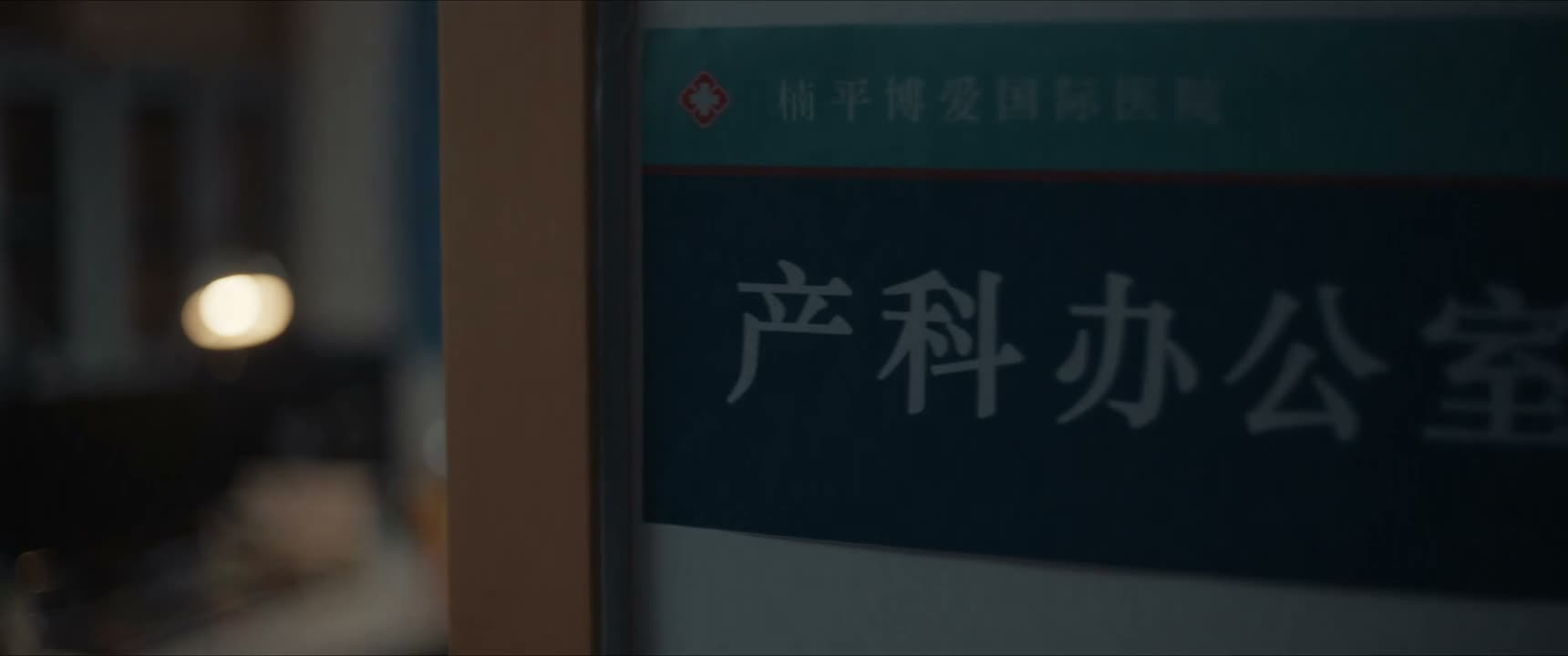
“[Nanping Bo'ai International Hospital Obstetrics Office] it's not that I don't want to cooperate.”

“How do you know I cannot accommodate you?”

“No, no. I don't mean that.”

“No, no, no. That's really not what I meant.”

“No, no, that's not what I mean.”