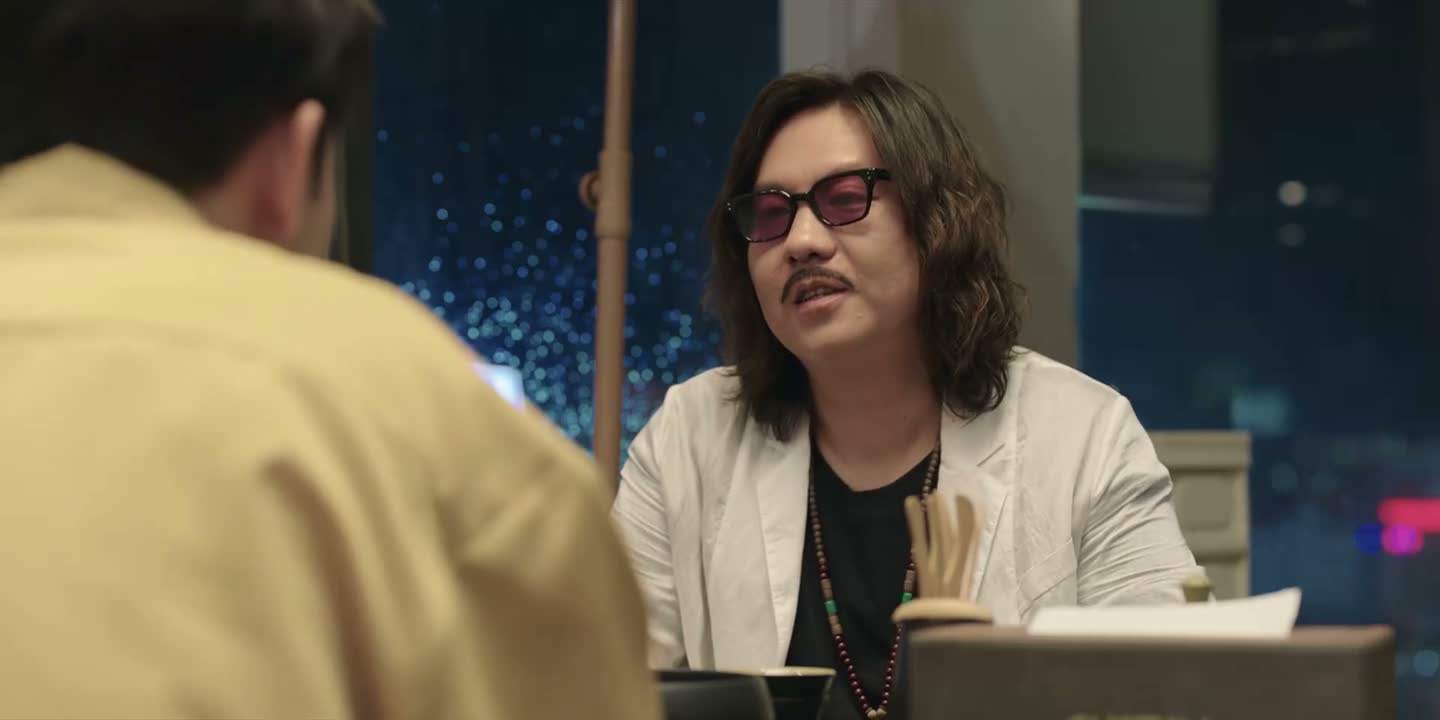
我刚刚实在是太着急了
“I was just too anxious.”
THE DIALOGUE REEL
纪总对不起啊
“Mr. Ji, I'm sorry.”
我刚刚 实在是 太着急了
“I was just too anxious.”
“Please excuse my bad manners earlier; I was under immense pressure, and I still need your help.”
Blaming one's own emotional state (being too flustered) softens an interpersonal misstep and preserves harmony before making an urgent plea.
LEARNING CHUNKS & PARTICLES
really / genuinely / truly
Used to add strong sincerity and objective weight when offering apologies or explanations.
too anxious / overly rushed
A standard self-deprecating excuse used when one acts rashly or speaks abruptly.
Marks the speaker's emotional state as an established fact in the immediate past.
VOCABULARY & EXPRESSIONS
Parallel Spoken Cinema Scenes (语义近邻切片)
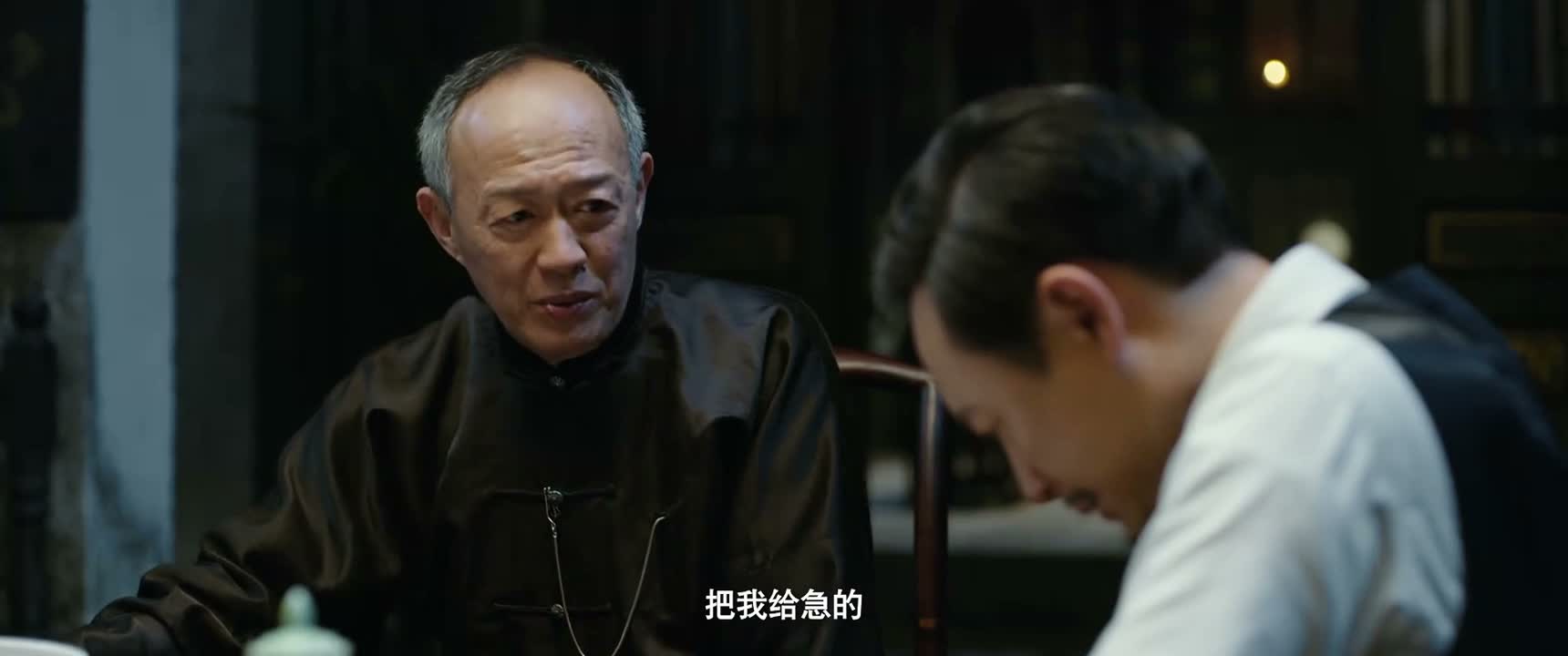
“I was so anxious.”
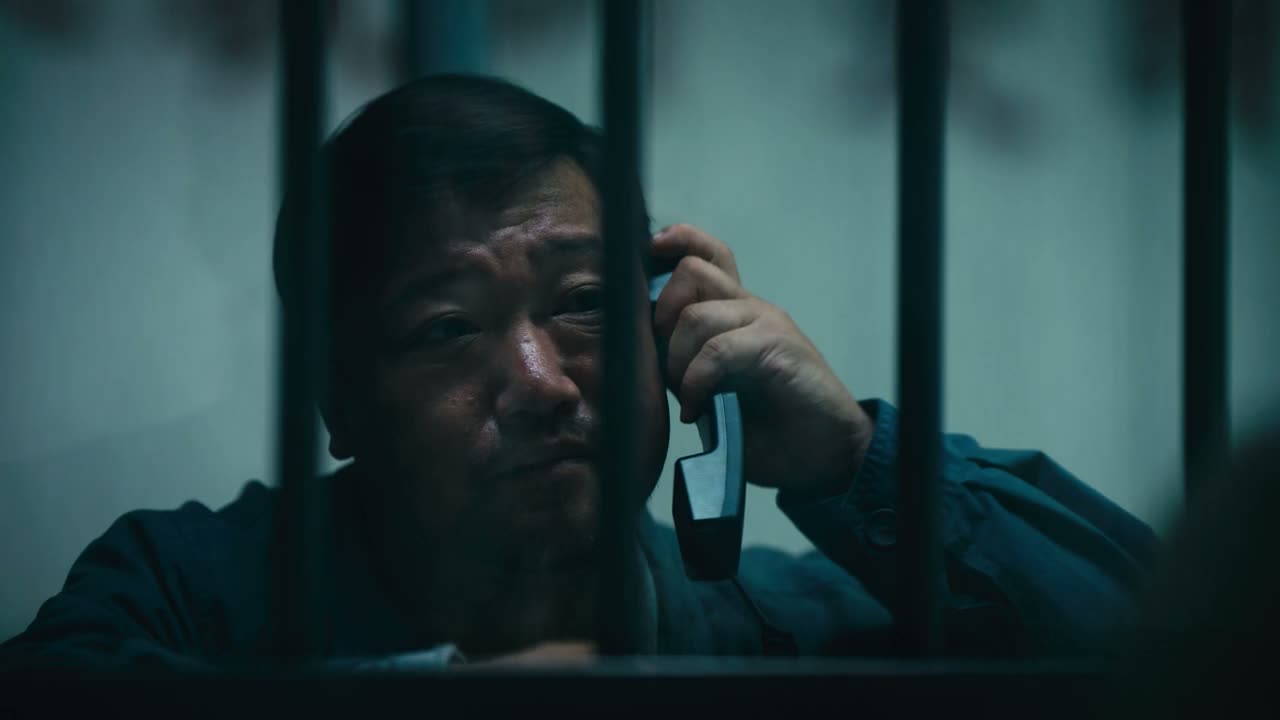
“I was too impatient this time.”
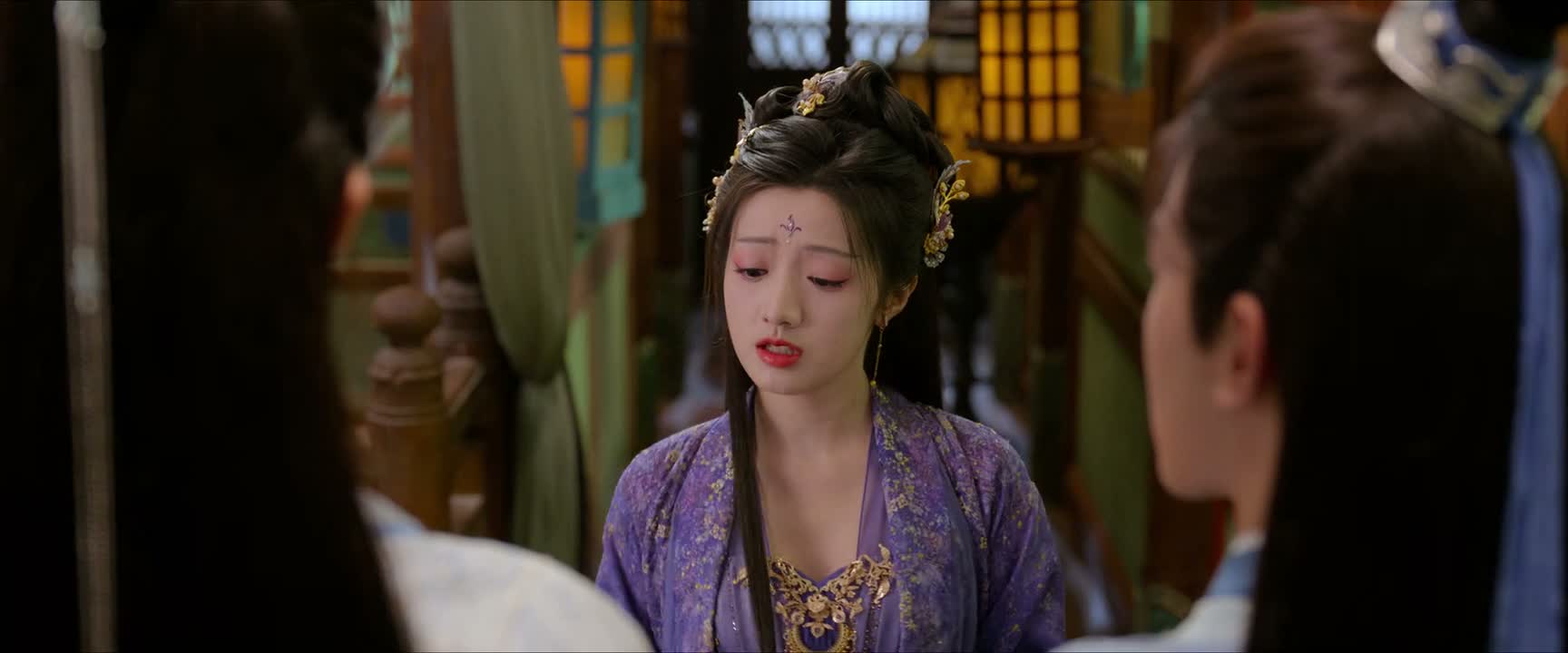
“You seem to be in a hurry.”

“I was still too hasty.”

“But I was too anxious. I was afraid that harm might befall you.”

“I was indeed too eager”

“I just wanted to check: you rushed off just now.”
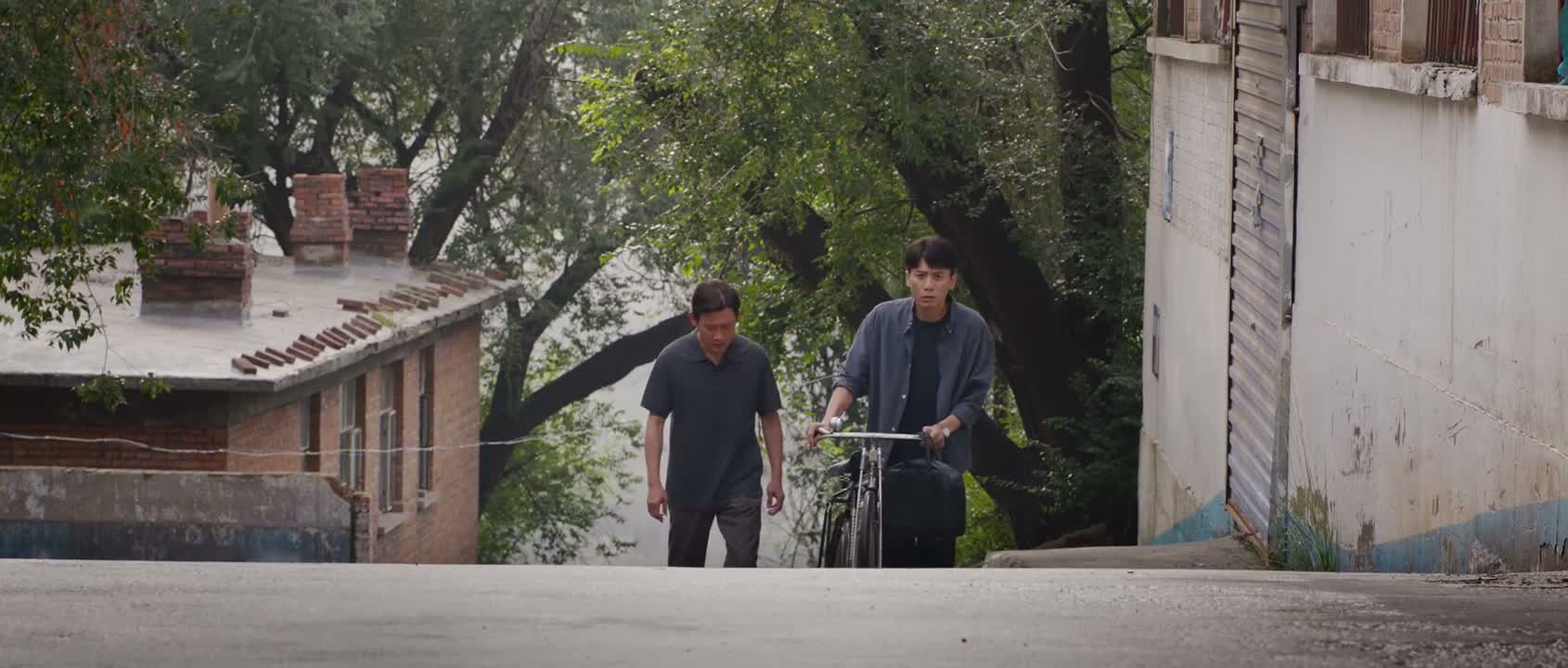
“But I was really pushed to the edge.”

“I'm just too emotional.”

“I'm really stressed.”

“that you're a bit anxious for Rongcheng's safety.”
“Because I really need money urgently.”