二来我酒量不好 万一哪天跟你们家老爷子喝醉了
“And I can't hold my liquor. If I ever get drunk with your dad,”
THE DIALOGUE REEL
“You should take the top. It's cleaner, for one.”
二来 我 酒量不好 万一 哪天跟你们家 老爷子 喝醉了
“And I can't hold my liquor. If I ever get drunk with your dad,”
“I might crawl into the wrong bed. I'll take the top.”
Direct spoken expression in this communicative setting.
Drinking with an elder or father figure ('老爷子') carries social obligation in Chinese culture; acknowledging low alcohol tolerance beforehand is a respectful way to manage expectations.
LEARNING CHUNKS & PARTICLES
secondly; in the second place
Paired naturally with '一来' to list reasons in conversational and informal spoken Chinese.
poor alcohol tolerance; can't hold one's liquor
Essential spoken phrase used modestly or pragmatically to decline heavy drinking or justify caution.
what if one day; just in case on some day
Useful formula for introducing hypothetical risks or unpredictable events in daily conversation.
the old man; respected elderly father/grandfather
An affectionate, respectful Northern colloquial term referring to an elderly father or senior man.
Signals the completed condition within the hypothetical clause ('万一...喝醉了').
VOCABULARY & EXPRESSIONS
Parallel Spoken Cinema Scenes (语义近邻切片)

“He can't hold his liquor, and he's a mean drunk.”

“And I have a very high tolerance.”
“He really can't hold his liquor.”

“I can usually hold my liquor well.”
“With my tolerance, it's hard.”
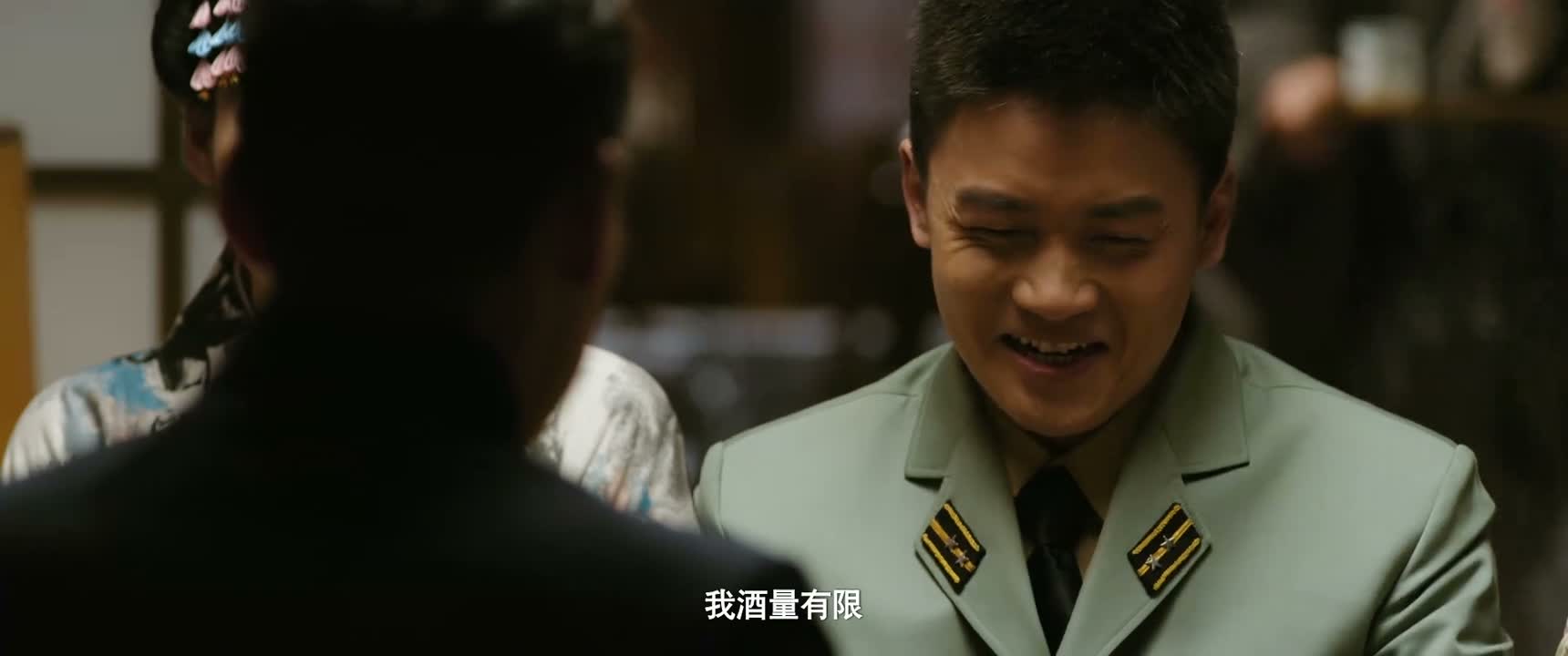
“My tolerance is limited”