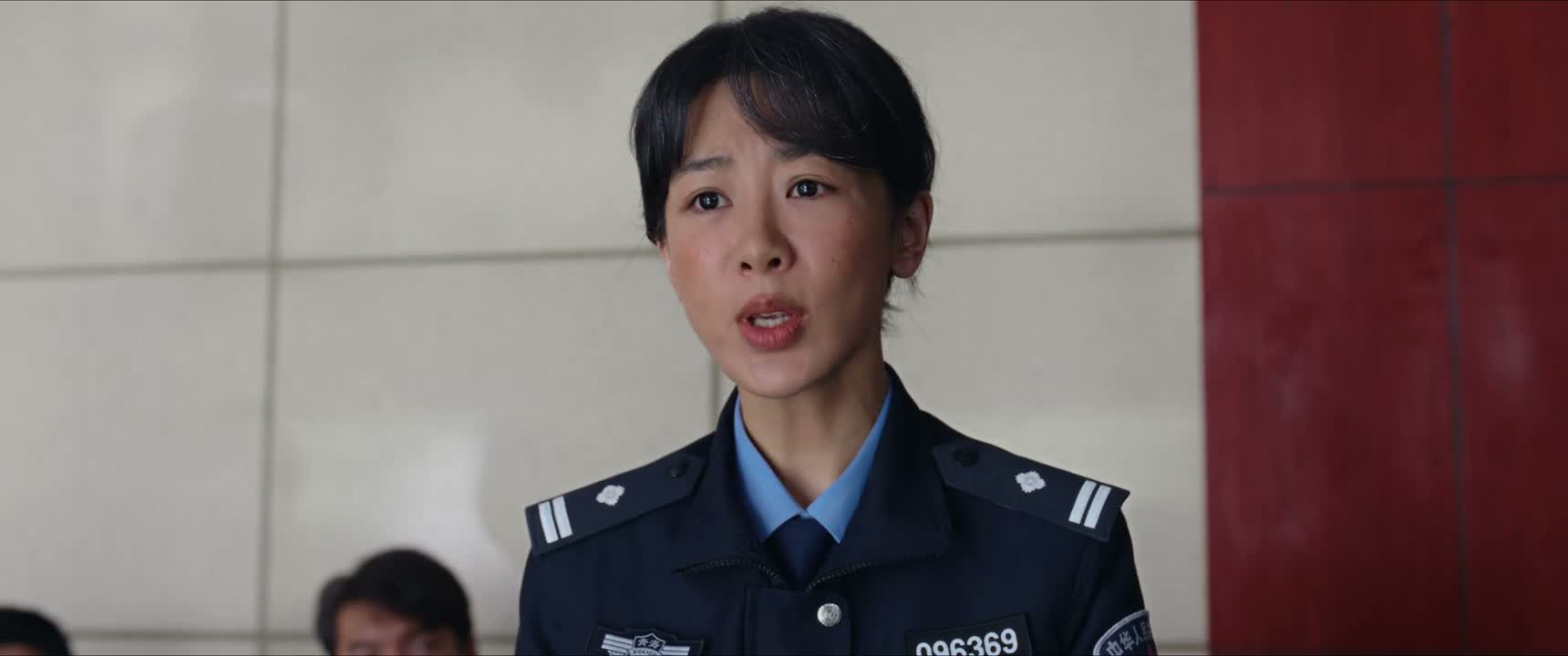
这不就跟 多杰的失踪案 对上了吗
“Doesn't that [Xie Yang, Captain of the Criminal Investigation Detachment,] line up with Duojie's disappearance [Tianduo Municipal Public Security Bureau] perfectly?”
THE DIALOGUE REEL
好
“Okay.”
这不就 跟 多杰的 失踪 案 对上了 吗
“Doesn't that [Xie Yang, Captain of the Criminal Investigation Detachment,] line up with Duojie's disappearance [Tianduo Municipal Public Security Bureau] perfectly?”
痕检那块儿怎么样
“What about the forensic analysis?”
Direct spoken expression in this communicative setting.
Chinese speakers often use negative rhetorical questions ('这不就...吗') to invite immediate team alignment when a breakthrough or logical connection is found.
LEARNING CHUNKS & PARTICLES
doesn't this just / here is clearly
Used to introduce an obvious realization or confirmation that resolves a previous question.
matched up / tallied / corroborated
A highly practical spoken verb complement used when pieces of evidence, schedules, or records align perfectly.
Turns the statement into a rhetorical confirmation-seeking question, prompting mutual agreement among colleagues.
VOCABULARY & EXPRESSIONS
Parallel Spoken Cinema Scenes (语义近邻切片)

“why do you say Duojie fled to escape punishment?”

“and your relationship with Duojie. That's your only way out.”

“Duojie's body still hasn't been identified.”
“to cover up the truth about Duojie's disappearance.”

“How did Duojie get hurt? Tell me again. It was”

“Duojie, what are you doing? I won't waste your time.”