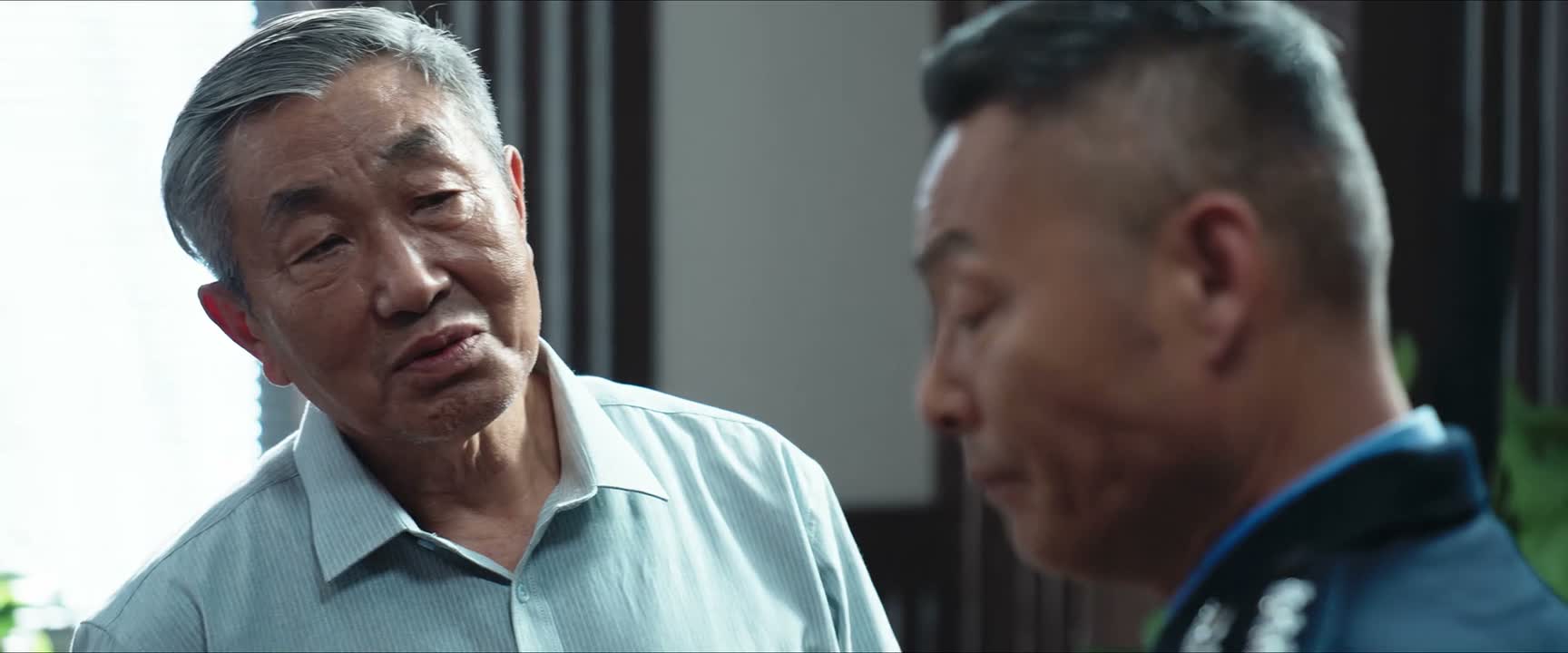
就你那脸皮儿 还好意思要饭 你
“You can't be a beggar with that thin skin. You...”
THE DIALOGUE REEL
我要饭去行吧
“I can beg on the streets.”
就你那 脸皮儿 还好意思 要饭 你
“You can't be a beggar with that thin skin. You...”
“- Don't follow me! - Where are you going? Go home and cook for Xiaofei.”
“Stop being melodramatic, you would never actually survive doing that.”
In Chinese culture, begging (要饭) represents the ultimate loss of dignity, so questioning someone's 'skin' (tolerance for humiliation) is a classic way to mock unrealistic, sulky threats.
LEARNING CHUNKS & PARTICLES
thick skin; sense of shame or nerve
A colloquial northern term used when evaluating whether someone is too shy or too shameless to do something.
still have the nerve to; brazen enough to
Commonly used to scold or mock someone for doing or claiming something shameful.
VOCABULARY & EXPRESSIONS
Parallel Spoken Cinema Scenes (语义近邻切片)

“Shame on you!”
“So I've still got some clout with you, right? What do you mean you've got clout?”

“to save your face.”

“You have no shame. Listen to me. What did I do?”