咋了 又吐了是吧
“What's wrong? Did you throw up again?”
THE DIALOGUE REEL
“- You need to finish it. - Stop. - Let me. - Can you stop? I can't eat or drink anything.”
咋了 又吐了 是吧
“What's wrong? Did you throw up again?”
下午请个假 去医院看看
“Take the afternoon off. Go see a doctor.”
Direct spoken expression in this communicative setting.
Chinese domestic partners frequently express affection not through verbal sweet talk, but through vigilant attention to bodily health, eating habits, and prompt medical intervention.
LEARNING CHUNKS & PARTICLES
what's wrong; what happened
Everyday colloquial contraction of '怎么了', widely used to inquire about someone's sudden distress.
isn't it; right?
Used at the end of a sentence to seek verification of an inference based on direct observation.
Signals that vomiting has occurred again as a factual change of condition.
Forms a tag question confirming the speaker's deduction with gentle concern.
VOCABULARY & EXPRESSIONS
Parallel Spoken Cinema Scenes (语义近邻切片)
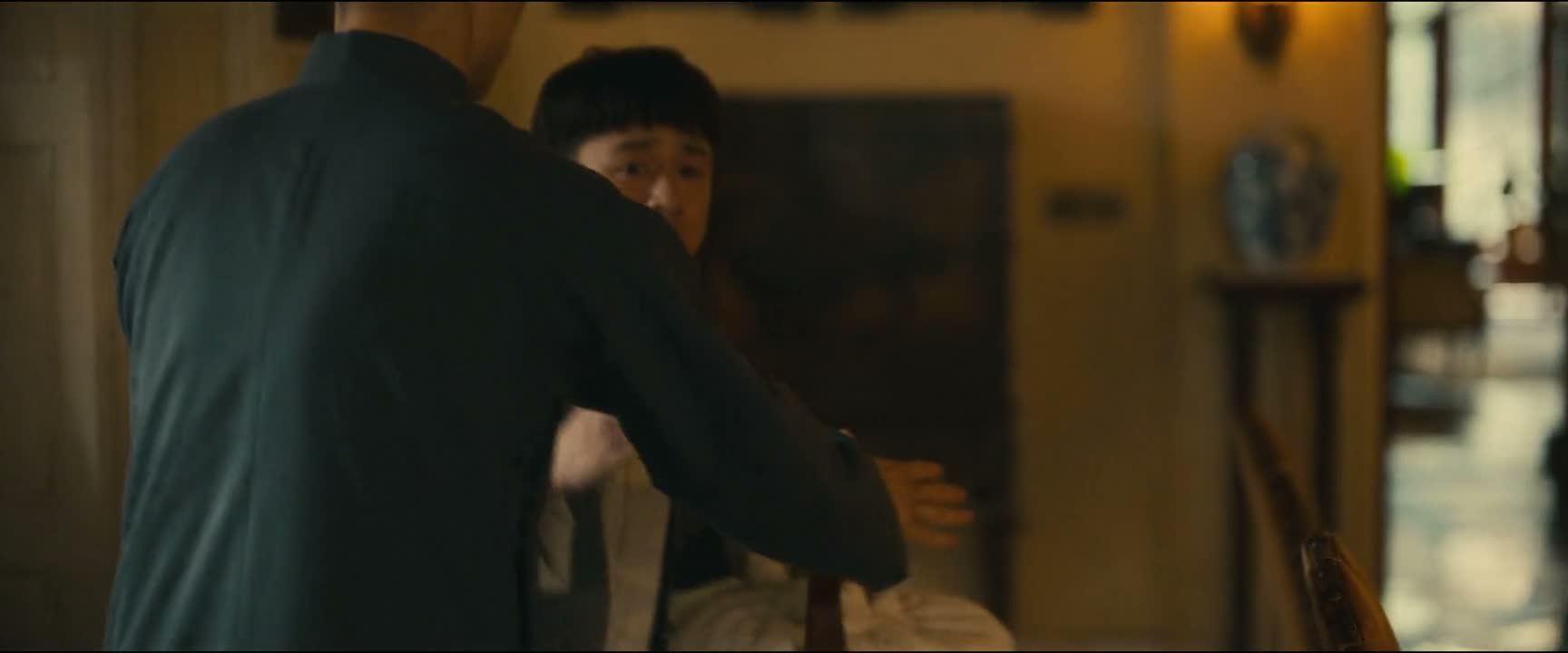
“I vomited on the fifth day. Take it away.”

“What now? Was I wrong again? Not you.”
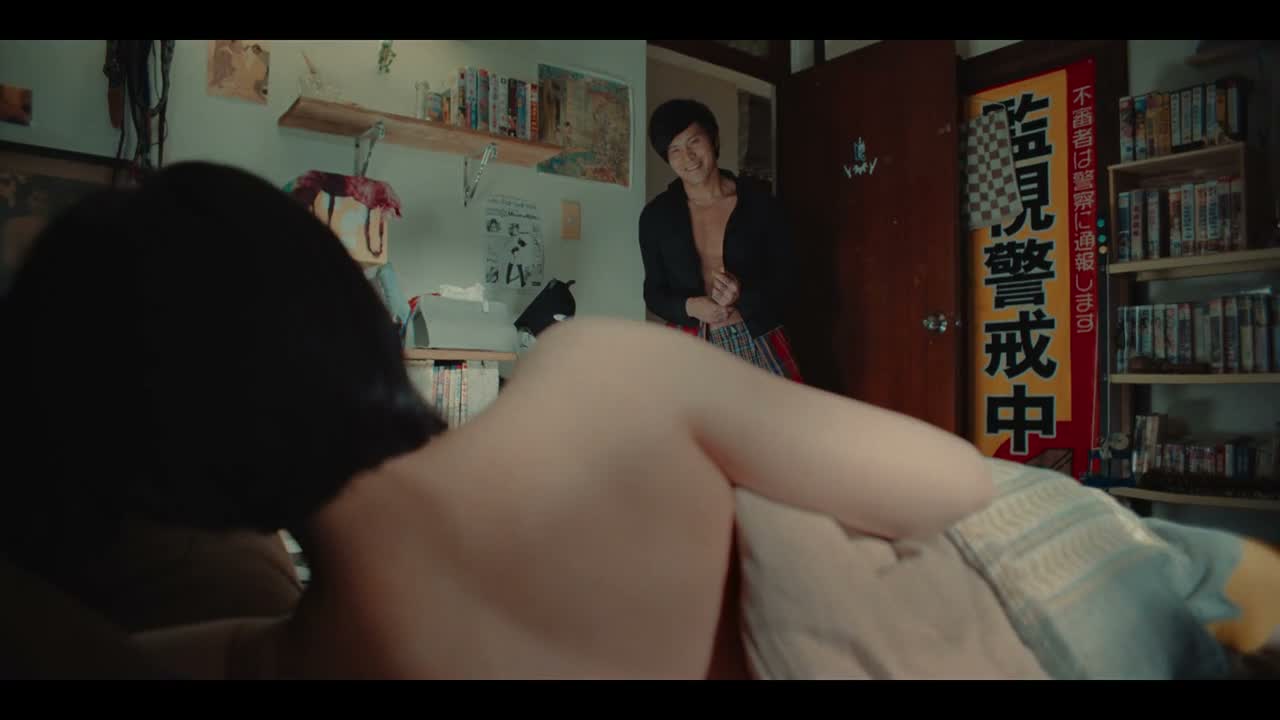
“I'm gonna throw up. You are seriously…”

“Anything wrong? What's wrong?”

“She vomited? Yes.”
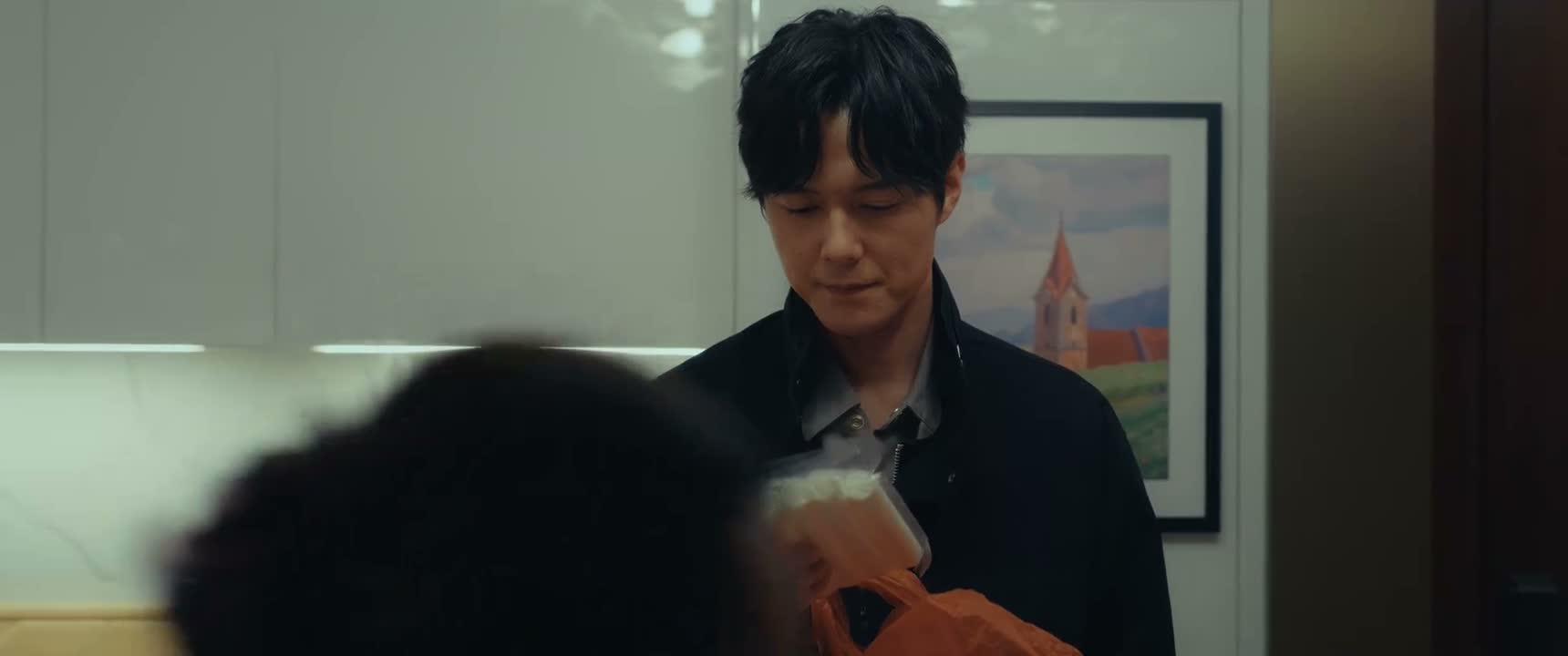
“She might throw up.”