这俩人干出的怪事还少吗? 这不就是想开了吗?
“They have done weirder things. Perhaps he thought it wasn't worth it.”
THE DIALOGUE REEL
“But he has a lung disease. Why would he be smoking?”
这俩人 干出的怪事还少吗 ? 这不就是 想开了 吗 ?
“They have done weirder things. Perhaps he thought it wasn't worth it.”
“They are desperate and reckless, so stop overthinking their odd behavior.”
When facing terminal illness or extreme distress, individuals may abandon self-preservation in favor of momentary indulgence.
LEARNING CHUNKS & PARTICLES
are there few of them? (rhetorical question meaning 'there are plenty')
A rhetorical pattern used to emphatically state that an occurrence is common.
to let go of hang-ups; to stop caring about consequences
Usually means seeing the light, but here refers colloquially to fatalistic abandon.
Marks rhetorical questions that strongly imply the affirmative opposite.
VOCABULARY & EXPRESSIONS
Parallel Spoken Cinema Scenes (语义近邻切片)
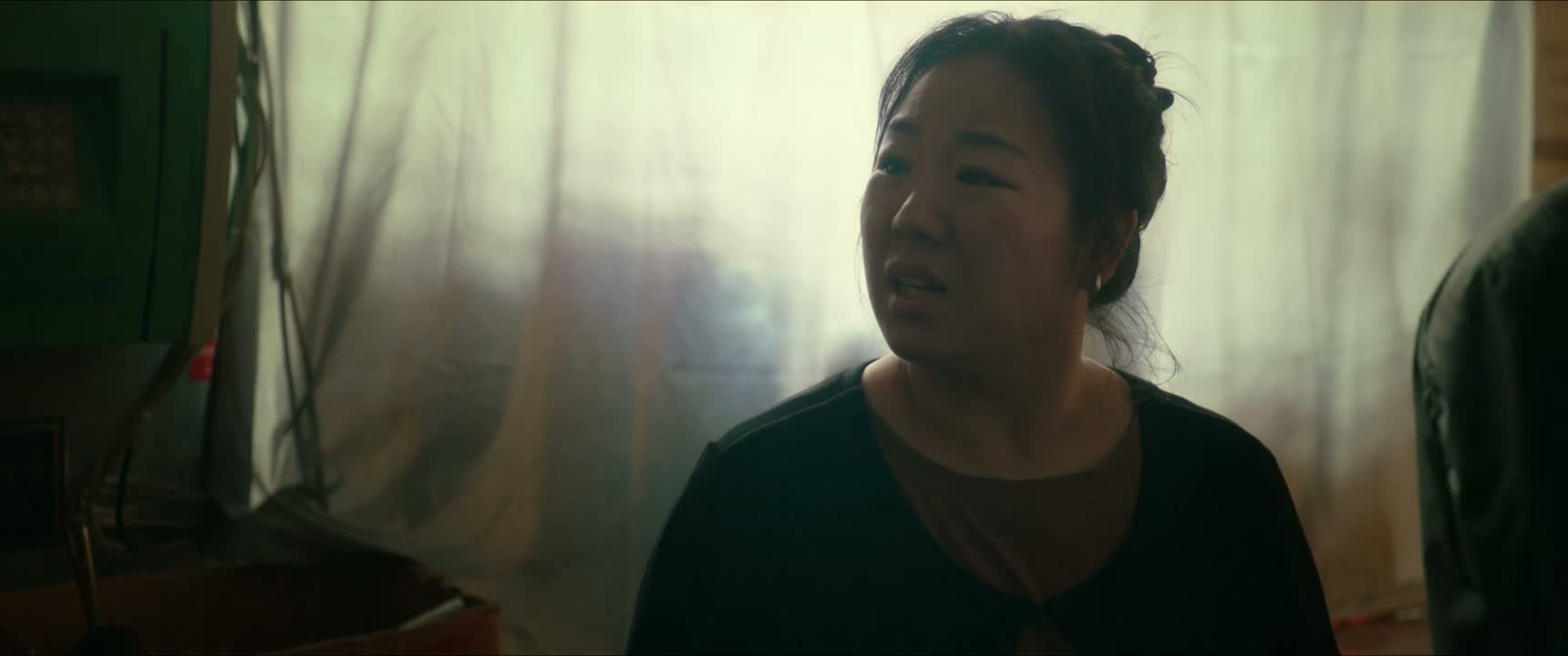
“What could that couple have done?”

“What's going on with those two?”

“How could he devise so many plans?”

“He actually did something so outrageous!”

“it's just a bit unusual. What's unusual about it?”

“Why would this happen? It's horrifying.”